

As a seasoned trailer axle supplier, I've witnessed firsthand the critical role that proper brake adjustment plays in ensuring the safety and efficiency of trailers. In this blog post, I'll delve into what correct brake adjustment for a trailer axle entails, the importance of it, and how you can achieve it.
Understanding the Basics of Trailer Axle Brakes
Trailer axle brakes are designed to slow down or stop the trailer when the towing vehicle applies its brakes. There are mainly two types of trailer brakes: electric brakes and hydraulic brakes. Electric brakes are more common and use an electric current from the towing vehicle to activate the brake shoes inside the brake drums. Hydraulic brakes, on the other hand, use hydraulic pressure generated by the towing vehicle's braking system to engage the brakes.
Regardless of the type, the brakes on a trailer axle need to be adjusted correctly to function optimally. Incorrect brake adjustment can lead to a host of problems, including uneven braking, premature brake wear, and even safety hazards on the road.
The Importance of Correct Brake Adjustment
Proper brake adjustment is crucial for several reasons. Firstly, it ensures that the trailer brakes work in harmony with the towing vehicle's brakes. When the brakes are adjusted correctly, the trailer and the towing vehicle will slow down and stop together, reducing the risk of jackknifing or other dangerous situations.
Secondly, correct brake adjustment helps to extend the lifespan of the brake components. Unevenly adjusted brakes can cause some brake shoes to wear out faster than others, leading to premature replacement and increased maintenance costs. By adjusting the brakes properly, you can ensure that all brake shoes wear evenly, maximizing their lifespan.
Finally, proper brake adjustment is a legal requirement in many jurisdictions. Inadequately adjusted brakes can result in fines and even cause your trailer to fail a safety inspection.
How to Determine the Correct Brake Adjustment
The correct brake adjustment for a trailer axle depends on several factors, including the type of brakes, the weight of the trailer, and the driving conditions. Here are some general guidelines to help you determine the correct adjustment:
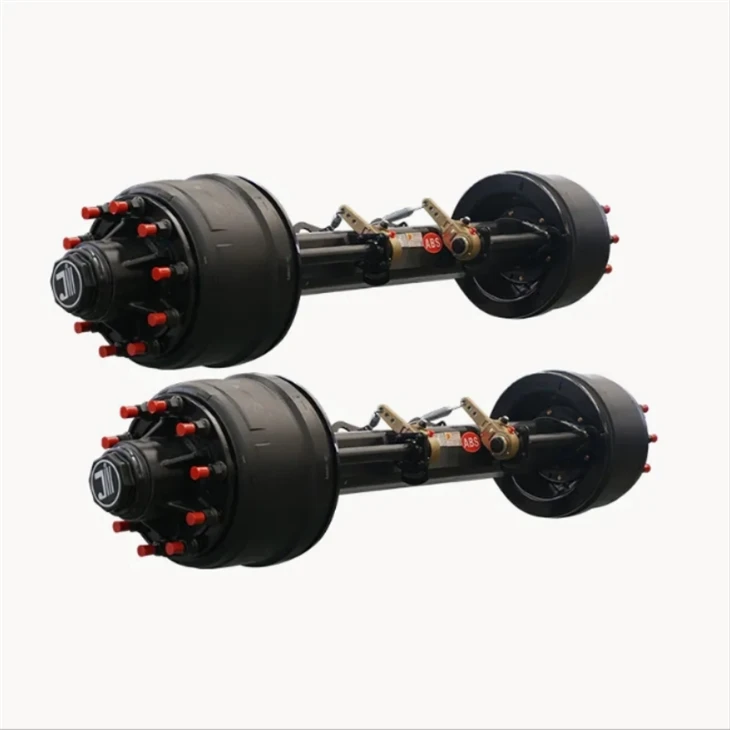

Check the Manufacturer's Specifications
The first step is to consult the trailer axle manufacturer's specifications. These specifications will provide you with the recommended brake adjustment settings for your specific trailer axle model. Make sure to follow these guidelines carefully to ensure optimal performance.
Inspect the Brake Components
Before adjusting the brakes, it's important to inspect the brake components for wear and damage. Check the brake shoes, drums, and hardware for signs of excessive wear, cracks, or other damage. If any components are worn or damaged, they should be replaced before adjusting the brakes.
Adjust the Brake Shoes
The most common way to adjust trailer brakes is by adjusting the brake shoes. This is typically done using an adjusting screw located inside the brake drum. To adjust the brake shoes, you'll need to access the adjusting screw through a hole in the backing plate.
Turn the adjusting screw in small increments until the brake shoes just touch the brake drum. You should feel a slight drag when you rotate the wheel by hand. Be careful not to over - adjust the brakes, as this can cause the brakes to bind and overheat.
Test the Brakes
After adjusting the brake shoes, it's important to test the brakes to ensure that they are working correctly. Take the trailer for a short test drive on a safe, empty road. Apply the brakes gently at different speeds to see how the trailer responds. The brakes should engage smoothly and evenly, and the trailer should slow down and stop without pulling to one side.
Factors Affecting Brake Adjustment
Several factors can affect the correct brake adjustment for a trailer axle. These include:
Trailer Weight
The weight of the trailer is one of the most important factors in determining the correct brake adjustment. Heavier trailers require more braking force, so the brakes may need to be adjusted more tightly. Conversely, lighter trailers may require less braking force, and the brakes may need to be adjusted more loosely.
Driving Conditions
The driving conditions can also affect the brake adjustment. If you frequently drive in hilly or mountainous terrain, you may need to adjust the brakes more tightly to ensure that they can handle the additional braking load. On the other hand, if you mainly drive on flat, straight roads, the brakes may not need to be adjusted as tightly.
Brake Pad Material
The type of brake pad material used can also affect the brake adjustment. Different brake pad materials have different friction coefficients, which can affect the amount of braking force generated. When replacing brake pads, make sure to use the same type of material as the original pads to ensure consistent braking performance.
Our Trailer Axle Offerings
At our company, we offer a wide range of high - quality trailer axles to meet the diverse needs of our customers. Our German Style Axle is known for its precision engineering and reliability. It features advanced braking systems that are designed to provide optimal performance and safety.
The Lowbed Series Axle is another popular option. This axle is specifically designed for lowbed trailers, which often carry heavy loads. It has a robust construction and powerful brakes to handle the demanding requirements of heavy - duty applications.
For those looking for a lightweight yet durable option, our 10T Lightweight Axle is an excellent choice. Despite its lightweight design, it still offers excellent braking performance and is suitable for a variety of trailer applications.
Contact Us for Your Trailer Axle Needs
If you're in the market for a new trailer axle or need assistance with brake adjustment, don't hesitate to contact us. Our team of experts is here to help you find the right trailer axle for your specific needs and ensure that it is properly installed and adjusted. We can also provide you with ongoing maintenance and support to keep your trailer running safely and efficiently.
References
- Trailer Axle Manufacturer's Manuals
- Federal Motor Carrier Safety Regulations
- Industry Best Practices for Trailer Brake Maintenance


