

When it comes to the critical components of a semi - trailer, the king pin plays an indispensable role. As a semi - trailer king pin supplier, I've encountered numerous inquiries about the differences between lightweight and heavy - weight semi - trailer king pins. In this blog, I'll delve into the key disparities, their respective applications, and the factors to consider when choosing between them.
Definition and Basic Structure
A semi - trailer king pin is a large bolt that protrudes from the front of a semi - trailer and fits into the fifth wheel coupling on a tractor unit. This connection allows the tractor to tow the trailer. Lightweight and heavy - weight king pins are designed to meet different load - bearing requirements and operational needs.
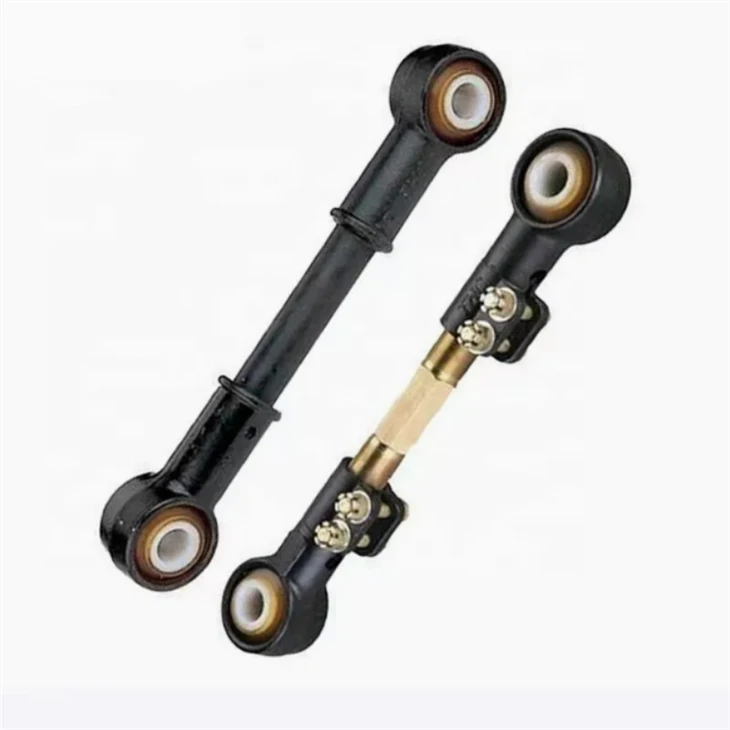
Lightweight semi - trailer king pins are generally made from materials that offer a good balance between strength and weight. They are often constructed using high - strength alloys or advanced composite materials. These materials are carefully selected to reduce the overall weight of the king pin without sacrificing its structural integrity. The design of lightweight king pins usually features a streamlined shape, which not only helps in weight reduction but also improves aerodynamics to some extent.
On the other hand, heavy - weight king pins are built to withstand extremely high loads. They are typically made from high - grade steel, which has excellent tensile strength and toughness. The construction of heavy - weight king pins is more robust, with a larger diameter and thicker walls. This design ensures that they can handle the immense forces generated during heavy - duty towing operations.
Load - Bearing Capacity
One of the most significant differences between lightweight and heavy - weight semi - trailer king pins is their load - bearing capacity. Lightweight king pins are suitable for trailers that carry relatively light to medium loads. For example, trailers used for transporting consumer goods, such as electronics or clothing, often use lightweight king pins. These trailers usually have a gross vehicle weight rating (GVWR) ranging from a few tons to around 20 tons.
Heavy - weight king pins, however, are designed for trailers that carry extremely heavy loads. Industries such as construction, mining, and heavy machinery transportation rely on heavy - weight king pins. Trailers used in these sectors can have a GVWR of 30 tons or more. The high load - bearing capacity of heavy - weight king pins is crucial to ensure the safety and stability of the trailer during transportation.
Durability and Longevity
Durability is another key factor that differentiates lightweight and heavy - weight semi - trailer king pins. Lightweight king pins, while made from strong materials, may not be as durable as their heavy - weight counterparts in harsh operating conditions. They are more susceptible to wear and tear, especially when exposed to frequent vibrations, impacts, and corrosive environments. However, with proper maintenance and regular inspections, lightweight king pins can still provide reliable service for a reasonable period.
Heavy - weight king pins are built to last. Their robust construction and high - quality materials make them highly resistant to wear, corrosion, and damage. They can withstand the rigors of heavy - duty use, including long - distance hauling, rough terrains, and extreme weather conditions. As a result, heavy - weight king pins generally have a longer lifespan compared to lightweight ones, which can reduce the overall cost of ownership in the long run.
Cost
Cost is always an important consideration when choosing a semi - trailer king pin. Lightweight king pins are generally more affordable than heavy - weight king pins. The use of lighter materials and simpler manufacturing processes contributes to their lower cost. This makes them an attractive option for budget - conscious customers or those who do not require the high load - bearing capacity of heavy - weight king pins.
Heavy - weight king pins, on the other hand, come with a higher price tag. The cost of high - grade steel, complex manufacturing processes, and strict quality control measures all add to the overall cost. However, it's important to note that the higher cost of heavy - weight king pins is often justified by their superior performance and durability, especially for applications where reliability is crucial.
Applications
The choice between a lightweight and a heavy - weight semi - trailer king pin depends largely on the specific application. Lightweight king pins are commonly used in the following scenarios:
- Local and Regional Delivery: Trailers used for local and regional delivery of consumer goods, such as food products, furniture, and small appliances, often use lightweight king pins. These trailers typically operate on well - maintained roads and do not require the high load - bearing capacity of heavy - weight king pins.
- Recreational Trailers: Trailers used for recreational purposes, such as camping trailers and horse trailers, also often use lightweight king pins. These trailers are usually towed by light - duty trucks and do not carry extremely heavy loads.
Heavy - weight king pins are essential in the following applications:
- Construction and Mining: Trailers used in the construction and mining industries carry heavy materials such as concrete, gravel, and mining equipment. These trailers require heavy - weight king pins to handle the high loads and the rough operating conditions.
- Heavy Machinery Transportation: Trailers used to transport large and heavy machinery, such as bulldozers, cranes, and excavators, rely on heavy - weight king pins for safe and stable towing.
Maintenance Requirements
Both lightweight and heavy - weight semi - trailer king pins require regular maintenance to ensure their proper functioning and longevity. Lightweight king pins may require more frequent inspections due to their relatively lower durability. It's important to check for signs of wear, such as cracks, deformation, or excessive play, and replace the king pin if necessary. Lubrication is also crucial to reduce friction and prevent corrosion.
Heavy - weight king pins, while more durable, still need proper maintenance. Regular cleaning to remove dirt and debris, as well as lubrication, are essential. Inspections should be carried out at regular intervals to check for any signs of damage or wear. In addition, heavy - weight king pins may require more specialized equipment for maintenance and replacement due to their larger size and weight.
Conclusion
In conclusion, the difference between a lightweight and a heavy - weight semi - trailer king pin lies in their load - bearing capacity, durability, cost, applications, and maintenance requirements. As a semi - trailer king pin supplier, I understand the importance of choosing the right king pin for your specific needs. Whether you're looking for a lightweight king pin for your local delivery trailer or a heavy - weight king pin for your heavy - duty construction trailer, we have a wide range of products to meet your requirements.
If you're interested in learning more about our semi - trailer king pins or have any questions about which type is right for you, please don't hesitate to contact us for procurement discussions. We're here to provide you with the best solutions and support.
Additional Resources
If you're also interested in other trailer accessories, you can check out the following links:
References
- "Trailer Components Handbook" - A comprehensive guide on trailer components including king pins.
- Industry reports on semi - trailer manufacturing and operation.


