

Hey there! As a supplier of axle brake pads, I often get asked about the difference between front and rear axle brake pads. It's a crucial topic, especially for those who are into vehicle maintenance or just want to understand their rides better. So, let's dive right in and explore the ins and outs of these two types of brake pads.
Function and Load Distribution
First off, we need to understand the basic function of brake pads in general. Brake pads are a key part of the braking system. When you step on the brake pedal, the brake pads are pressed against the brake rotors, creating friction that slows down or stops the vehicle. But the front and rear axle brake pads don't share the workload equally.
The front axle brake pads usually handle a larger portion of the braking force. Why? Well, when you hit the brakes, the weight of the vehicle shifts forward. This weight transfer means that the front wheels bear more of the vehicle's mass during braking. As a result, the front brake pads need to generate more friction to slow down the vehicle effectively. In fact, in many vehicles, the front brakes can account for up to 70% of the total braking force.
On the other hand, the rear axle brake pads play a supporting role. They help to balance the braking force and prevent the vehicle from skidding or fishtailing. They also contribute to the overall stopping power, but their main job is to provide stability during braking.
Design and Construction
The difference in function between front and rear axle brake pads is reflected in their design and construction. Front brake pads are typically larger and thicker than rear brake pads. This is because they need to dissipate more heat generated by the high friction during braking. The larger surface area allows for better heat transfer, which helps to prevent the brake pads from overheating and losing their effectiveness.
Front brake pads also often have a more aggressive friction material. This material is designed to grip the brake rotors tightly and generate a high amount of friction quickly. It needs to be able to handle the intense braking forces without wearing out too quickly.
Rear brake pads, on the other hand, are smaller and thinner. They don't need to generate as much friction as the front brake pads, so they can be designed with a less aggressive friction material. This material is usually softer and quieter, which helps to reduce noise and vibration during braking.

Wear and Tear
Due to the difference in workload, front and rear axle brake pads also wear at different rates. As mentioned earlier, the front brake pads handle most of the braking force, so they tend to wear out faster than the rear brake pads. It's not uncommon for the front brake pads to need replacement two or three times before the rear brake pads.
However, the wear rate of brake pads can also be affected by other factors, such as driving style, road conditions, and vehicle weight. Aggressive driving, frequent stop-and-go traffic, and heavy loads can all increase the wear on the brake pads.
Cost and Replacement
When it comes to cost, front brake pads are usually more expensive than rear brake pads. This is because of their larger size, more aggressive friction material, and higher performance requirements. However, the cost of replacement can also vary depending on the make and model of the vehicle.
It's important to replace brake pads in a timely manner to ensure the safety and performance of your vehicle. If you notice any signs of wear, such as squeaking, grinding, or reduced braking performance, it's time to have your brake pads checked. And remember, it's always a good idea to replace the brake pads on both the front and rear axles at the same time to ensure balanced braking.
Related Products
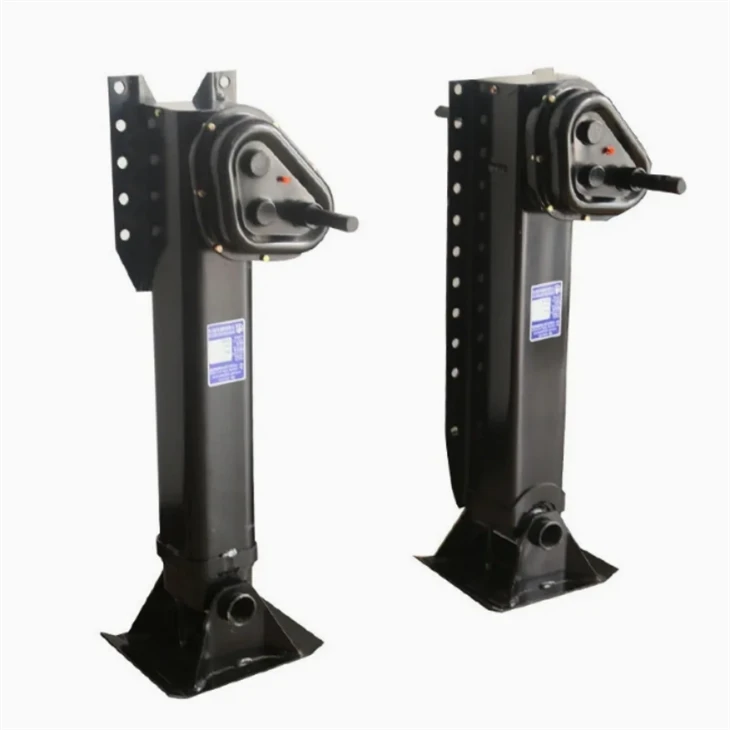
If you're in the market for axle brake pads, you might also be interested in some of our other products. We offer a wide range of trailer accessories, including Landing Gear, Air Brake Tanks, and American Suspension Pull Rod. These products are designed to enhance the performance and safety of your trailer.
Contact Us
If you have any questions about axle brake pads or our other products, please don't hesitate to contact us. We're here to help you find the right solutions for your needs. Whether you're a professional mechanic or a DIY enthusiast, we have the expertise and products to keep your vehicle running smoothly.
References
- Brake System Basics. (n.d.). Retrieved from [Automotive website]
- Understanding Brake Pad Wear. (n.d.). Retrieved from [Automotive website]
- Trailer Accessories Guide. (n.d.). Retrieved from [Trailer website]