

As a seasoned provider of lifting air suspension systems, I've witnessed firsthand the transformative impact these advanced technologies have on various industries. In this blog, I'll delve into the key differences between lifting air suspension and traditional suspension, exploring their respective features, benefits, and applications.
Traditional Suspension: A Time - Tested Foundation
Traditional suspension systems have been the cornerstone of vehicle and equipment design for decades. These systems typically rely on mechanical springs, such as coil springs or leaf springs, along with shock absorbers to manage the vehicle's movement and provide a stable ride.
How Traditional Suspension Works
Mechanical springs in traditional suspension systems work by compressing and expanding to absorb shocks and vibrations from the road surface. The shock absorbers, on the other hand, dampen the oscillations of the springs, preventing the vehicle from bouncing excessively. This combination of springs and shock absorbers helps to maintain tire contact with the road, ensuring steering control and stability.
Advantages of Traditional Suspension
- Simplicity and Reliability: Traditional suspension systems are relatively simple in design, with fewer components compared to air suspension. This simplicity translates into lower manufacturing costs and easier maintenance. They are also known for their durability, making them a popular choice for applications where reliability is crucial.
- Cost - Effectiveness: The initial purchase price of vehicles equipped with traditional suspension is generally lower than those with air suspension. This makes them an attractive option for budget - conscious consumers and businesses.
- Proven Performance: Over the years, traditional suspension systems have been refined and optimized for a wide range of applications. They have a long - standing track record of providing adequate performance in normal driving conditions.
Limitations of Traditional Suspension
- Limited Adjustability: One of the major drawbacks of traditional suspension is its limited adjustability. Once the springs and shock absorbers are installed, their characteristics are fixed. This means that the suspension settings cannot be easily modified to adapt to different loads, road conditions, or driving styles.
- Ride Quality: While traditional suspension systems can provide a reasonable ride, they may not offer the same level of comfort as air suspension, especially on rough or uneven roads. The fixed spring rates can result in a harsher ride, particularly when the vehicle is carrying heavy loads.
Lifting Air Suspension: The Next Generation of Mobility
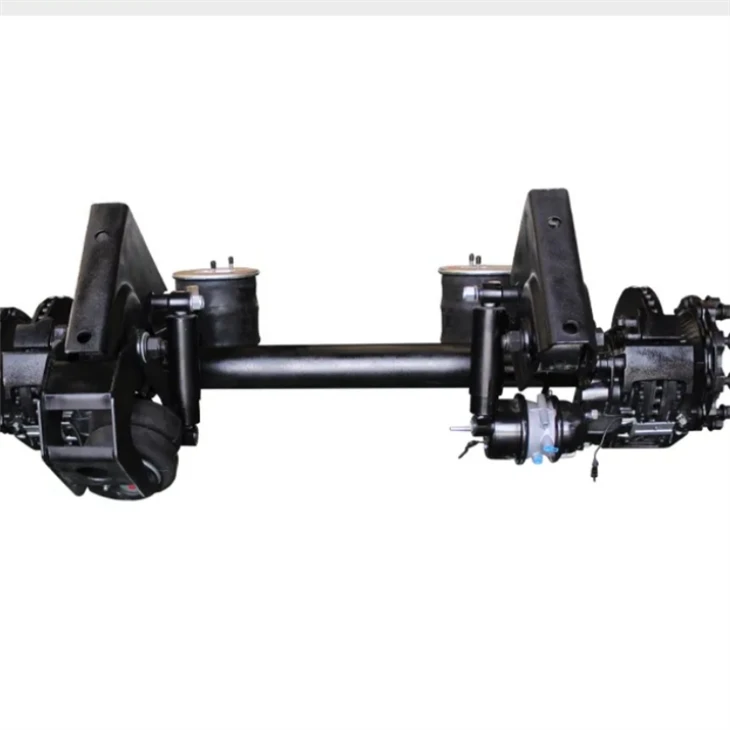
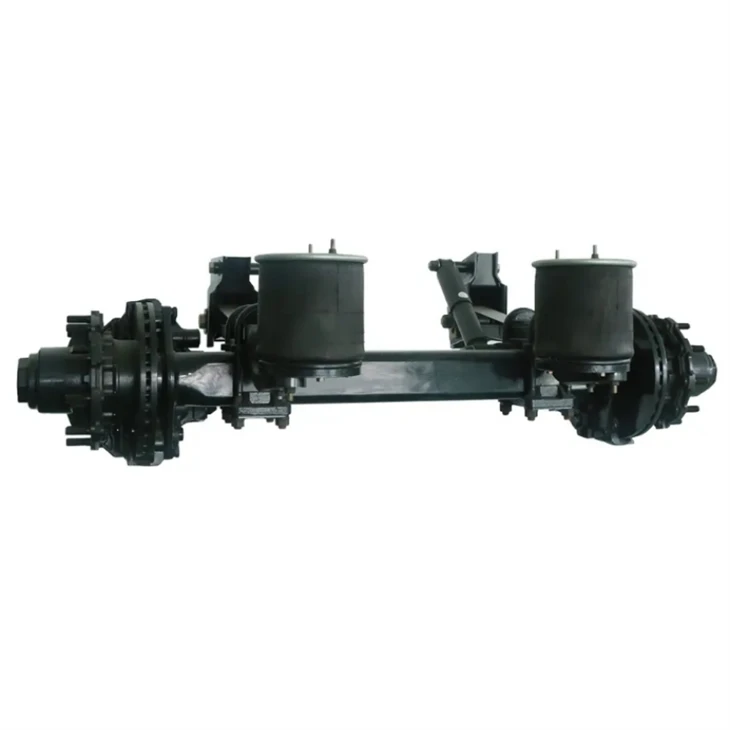
Lifting air suspension represents a significant advancement in suspension technology. Instead of relying solely on mechanical springs, air suspension systems use air springs, which are essentially rubber bellows filled with compressed air.
How Lifting Air Suspension Works
Air springs in a lifting air suspension system can be inflated or deflated to adjust the ride height and stiffness of the suspension. This is typically controlled by an electronic control unit (ECU) that monitors various parameters such as vehicle speed, load, and road conditions. When the vehicle is carrying a heavy load, the air springs can be inflated to maintain a level ride height and improve handling. Conversely, when the load is light, the air springs can be deflated to lower the vehicle's center of gravity and enhance fuel efficiency.
Advantages of Lifting Air Suspension
- Adjustability: One of the most significant advantages of lifting air suspension is its adjustability. The ability to change the ride height and stiffness on - the - fly allows for optimal performance in a variety of situations. For example, in off - road applications, the suspension can be raised to provide additional ground clearance, while on the highway, it can be lowered for better aerodynamics.
- Improved Ride Quality: Air suspension systems can provide a smoother and more comfortable ride compared to traditional suspension. The air springs are able to absorb shocks and vibrations more effectively, reducing the impact on the vehicle's occupants. This is particularly beneficial for long - distance travel and heavy - duty applications.
- Load Compensation: Lifting air suspension can automatically adjust to changes in load, ensuring that the vehicle remains level at all times. This helps to improve handling and stability, especially when carrying uneven or heavy loads. It also reduces the wear and tear on tires and other components.
- Enhanced Safety: By maintaining a consistent ride height and improving handling, lifting air suspension can contribute to enhanced safety on the road. It reduces the risk of roll - overs and improves braking performance, especially in emergency situations.
Applications of Lifting Air Suspension
Lifting air suspension is widely used in various industries, including commercial vehicles, buses, and heavy machinery. In the commercial vehicle sector, it is commonly found in trucks and trailers, where it helps to improve load - carrying capacity and ride comfort. For buses, air suspension provides a smoother ride for passengers, reducing fatigue during long journeys. In heavy machinery, such as construction equipment, air suspension can enhance stability and maneuverability, especially on rough terrain. You can learn more about heavy machinery applications at Heavy Machinery Suspension.
Comparing the Two: A Side - by - Side Analysis
When comparing lifting air suspension and traditional suspension, it's important to consider the specific requirements of the application.
Performance
In terms of performance, lifting air suspension clearly has the upper hand. Its adjustability allows for better handling, improved ride quality, and enhanced safety. Traditional suspension, while reliable, may struggle to match the performance of air suspension in challenging conditions or when carrying heavy loads.
Cost
The cost of lifting air suspension is generally higher than that of traditional suspension. This includes not only the initial purchase price but also the cost of maintenance and repair. However, for many businesses and consumers, the benefits of air suspension may outweigh the additional cost, especially in the long run.
Maintenance
Traditional suspension systems are generally easier to maintain due to their simplicity. They have fewer components and do not require specialized equipment for maintenance. Lifting air suspension, on the other hand, requires more complex maintenance procedures, including regular checks of the air springs, air compressor, and electronic control system.
Conclusion
In conclusion, both traditional suspension and lifting air suspension have their own unique advantages and limitations. Traditional suspension is a tried - and - true option that offers simplicity, reliability, and cost - effectiveness. However, lifting air suspension represents the future of suspension technology, with its superior adjustability, improved ride quality, and enhanced safety features.
If you're in the market for a suspension system that can provide optimal performance and adaptability, our lifting air suspension solutions are the perfect choice. We offer a wide range of products, including Air Suspension and Air Suspension With Guide Arm, designed to meet the diverse needs of our customers. Whether you're a commercial vehicle operator, a bus company, or a heavy machinery manufacturer, we can provide you with the right suspension solution.
If you're interested in learning more about our lifting air suspension products or would like to discuss your specific requirements, please don't hesitate to contact us. We're here to help you make an informed decision and ensure that you get the best suspension system for your needs.
References
- Smith, J. (2020). "Advances in Suspension Technology". Automotive Engineering Journal.
- Johnson, R. (2019). "Comparative Analysis of Traditional and Air Suspension Systems". Transportation Research Quarterly.
- Brown, T. (2021). "The Future of Vehicle Suspension: Air Suspension Trends". Industrial Technology Review.


