

Hey there! As a supplier of linkage legs, I often get asked about what these things are and what they're good for. So, I thought I'd take a few minutes to break it down for you.
Let's start with the basics. A linkage leg is a crucial part of many types of trailers, especially semi - trailers. It's a support mechanism that helps keep the trailer stable when it's not attached to a tractor unit. You know, those big rigs you see on the highway all the time? Well, when the trailer gets detached from the truck, it needs something to hold it up, and that's where the linkage leg comes in.

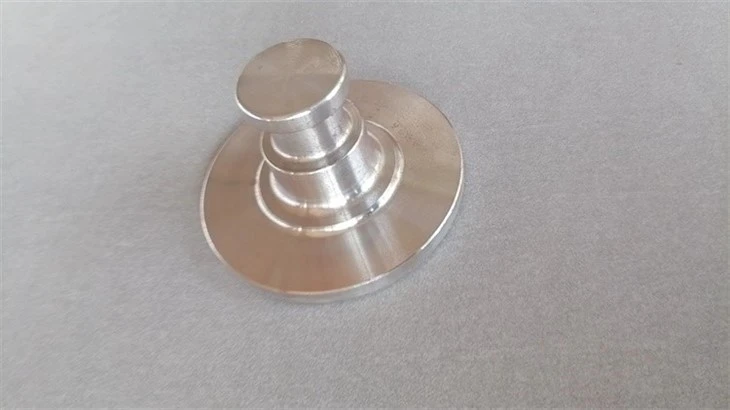
One of the main functions of the linkage leg is to provide stability. When a semi - trailer is uncoupled from the tractor, it's in a vulnerable position. Without proper support, it could tip over, which would not only cause damage to the trailer and its contents but also pose a significant safety risk. The linkage legs are designed to be strong and sturdy. They can handle the weight of the trailer and whatever is inside it, whether it's a load of furniture, construction materials, or even a shipment of cars.
Another important function is adjustability. Different trailers have different heights, and the loads they carry can vary in weight and distribution. Linkage legs are usually adjustable, which means you can set them to the right height to keep the trailer level. This is super important because an uneven trailer can cause problems. For example, if one side of the trailer is higher than the other, it can put extra stress on the frame, leading to premature wear and tear. It can also make it difficult to load and unload the trailer safely.
Now, let's talk about how linkage legs work. Most linkage legs are operated manually. You use a crank or a lever to raise or lower the legs. Some modern ones, however, are powered by hydraulics or electricity, which makes the process even easier and faster. When you're ready to attach the trailer to the tractor again, you simply lower the legs back down, uncouple them from the trailer's support points, and then drive the tractor under the trailer.
But linkage legs don't work alone. They often work in conjunction with other trailer accessories. For instance, the Semi - trailer King Pin is a key part of the coupling system between the tractor and the trailer. It fits into a fifth - wheel on the tractor, allowing the two to connect securely. And then there's the Semi Trailer 50 Prefabricated Kingpin, which is a specific type of kingpin that offers certain advantages in terms of durability and ease of installation.
The Built - in Support Legs are also related to linkage legs. These are often used as an additional support option, especially for trailers that need extra stability. They're usually built into the trailer's frame and can be extended or retracted as needed.
In addition to providing stability and adjustability, linkage legs also play a role in safety. When a trailer is parked with its linkage legs down, it's clearly visible that the trailer is not attached to a tractor. This helps prevent accidents, as other drivers and workers in a loading dock or storage area can easily tell that the trailer is stationary. It also makes it easier for people to work around the trailer without the risk of it suddenly moving.
Linkage legs also contribute to the overall efficiency of the transportation process. When trailers can be quickly and safely detached and re - attached, it means that trucks can spend more time on the road and less time waiting at loading and unloading sites. This is good for both the trucking companies and the customers who are waiting for their shipments.
Now, if you're in the market for linkage legs, you need to consider a few things. First, you need to make sure the legs are compatible with your trailer. Check the weight capacity, the height range, and the mounting points. You also want to look for high - quality legs that are made from strong materials, like steel. A well - made linkage leg will last longer and require less maintenance.
It's also a good idea to choose legs that are easy to operate. If you're going to be using them frequently, you don't want to be struggling with a difficult - to - use crank or a complicated hydraulic system. Look for legs that have a smooth operation and clear instructions.
As a supplier of linkage legs, I've seen firsthand the importance of these parts. I've worked with many customers, from small - time haulers to large - scale logistics companies, and I know how crucial it is to have reliable linkage legs.
So, if you're in the market for linkage legs or any other trailer accessories, don't hesitate to get in touch. Whether you're looking for a single set of legs for a small trailer or a large order for a fleet of trucks, I can help you find the right products for your needs. I can also offer advice on installation, maintenance, and any other questions you might have.
In conclusion, linkage legs are an essential part of trailer safety and functionality. They provide stability, adjustability, and work together with other accessories to keep your trailers in top shape. If you take care of your linkage legs and use them correctly, they'll serve you well for many years to come.
References:
- General knowledge of trailer technology and industry standards.
- Experience working as a linkage leg supplier.


