

As an air brake chamber supplier, I've been getting a lot of questions lately about how the size of an air brake chamber affects its performance. It's a super important topic, especially for those in the transportation and heavy - equipment industries. So, let's dive right in and break it down.
Basics of Air Brake Chambers
First off, let's quickly go over what an air brake chamber is. In simple terms, it's a key part of the air brake system in trucks, buses, and trailers. When air pressure is applied, the chamber converts that pressure into mechanical force, which then activates the brakes.
Now, air brake chambers come in different sizes, and these sizes are usually denoted by a number. For example, you might hear about a size 24 or a size 30 air brake chamber. The size number is related to the effective area of the diaphragm inside the chamber. A larger number means a larger diaphragm area.
Force Generation
The most obvious way that size affects performance is in the amount of force the chamber can generate. The force produced by an air brake chamber is calculated using the formula (F = P\times A), where (F) is the force, (P) is the air pressure, and (A) is the effective area of the diaphragm.
Let's say we have two air brake chambers: a size 20 and a size 30. If the air pressure applied to both chambers is the same, say 100 psi, the size 30 chamber will generate more force because it has a larger diaphragm area. This extra force can be crucial when you're trying to stop a heavy vehicle. For big rigs carrying tons of cargo, a larger air brake chamber can provide the necessary stopping power to bring the vehicle to a halt safely.
Response Time
Another aspect affected by the size of the air brake chamber is the response time. Smaller air brake chambers generally have a quicker response time. Since there's less volume of air to fill, they can reach the required pressure faster.
Imagine you're driving a light - duty truck. You don't need a massive amount of braking force, but you do need the brakes to respond quickly. A smaller air brake chamber would be a great choice here. It can engage the brakes almost instantly when you step on the pedal, giving you better control over the vehicle.
On the other hand, larger air brake chambers take a bit longer to fill with air. But once they reach the required pressure, they can maintain a consistent and powerful braking force. This is ideal for heavy - duty applications where you need a long - lasting and strong braking action.
Heat Dissipation
Heat is a big deal when it comes to brakes. When you apply the brakes, a lot of energy is converted into heat. If the brakes get too hot, they can start to fade, which means they lose their effectiveness.
Larger air brake chambers have an advantage in heat dissipation. They have a larger surface area, which allows them to radiate heat more efficiently. This is important for vehicles that are constantly braking, like those used in stop - and - go traffic or in mountainous areas. A larger chamber can keep the brakes cooler, reducing the risk of brake fade and ensuring reliable performance over long periods.
Compatibility with Vehicle Load
The size of the air brake chamber also needs to be compatible with the vehicle's load. You wouldn't want to use a small air brake chamber on a fully - loaded semi - trailer. The small chamber simply wouldn't be able to generate enough force to stop the heavy vehicle safely.
Conversely, using an overly large air brake chamber on a light vehicle can be a waste of resources. It might also cause the brakes to engage too aggressively, leading to skidding and reduced control. So, it's all about finding the right balance.
Real - World Applications
Let's look at some real - world scenarios to see how the size of air brake chambers plays out.
In the long - haul trucking industry, where trucks are often carrying heavy loads over long distances, larger air brake chambers are the norm. These chambers can handle the high - pressure and high - force requirements of stopping a fully - loaded trailer. They also help with heat dissipation during long descents on mountain roads.
For local delivery trucks that make frequent stops, a combination of factors comes into play. They need a brake system that can respond quickly, but also have enough force to stop the vehicle when it's carrying a moderate load. A medium - sized air brake chamber might be the best choice here.
Related Trailer Accessories
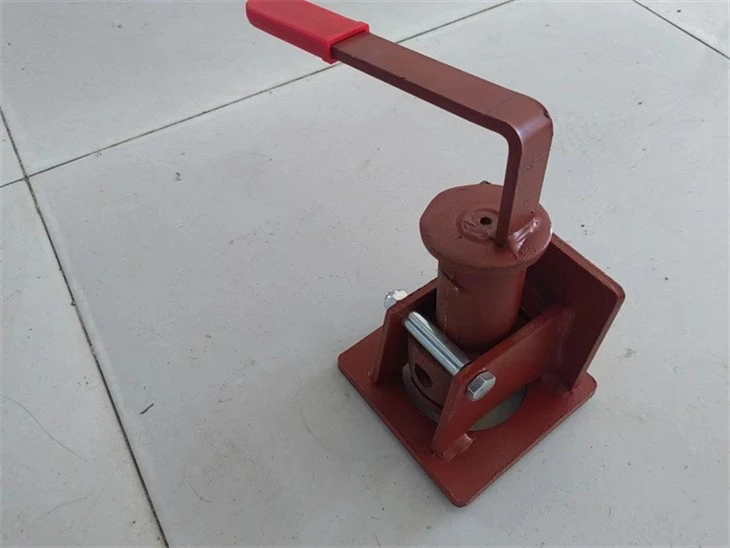
If you're in the market for air brake chambers, you might also be interested in some related trailer accessories. For example, the Twist Lock Container for Trailers is a great addition for securing cargo containers on trailers. It provides a reliable and easy - to - use locking mechanism.
The Landing Gear is another essential accessory. It helps support the trailer when it's detached from the tractor, ensuring stability and safety.
And don't forget about the American Suspension Pull Rod. This part plays a crucial role in the trailer's suspension system, helping to maintain proper alignment and smooth operation.

Conclusion
In conclusion, the size of an air brake chamber has a significant impact on its performance. From force generation and response time to heat dissipation and compatibility with vehicle load, every aspect is affected by the chamber's size.
As an air brake chamber supplier, I understand the importance of getting the right size for your specific application. Whether you're in the long - haul trucking business, local delivery, or any other industry that relies on air brake systems, I'm here to help you make the best choice.
If you're interested in purchasing air brake chambers or have any questions about which size is right for you, don't hesitate to reach out. We can have a detailed discussion about your needs and find the perfect solution for your vehicles.
References
- Automotive Brake Systems Handbook
- Truck and Trailer Maintenance Manual


