

Hey there! As a supplier of trailer axles, I've seen firsthand how temperature can have a big impact on these crucial components. In this blog post, I'm gonna break down exactly how temperature affects trailer axles and why it's something you should keep an eye on.
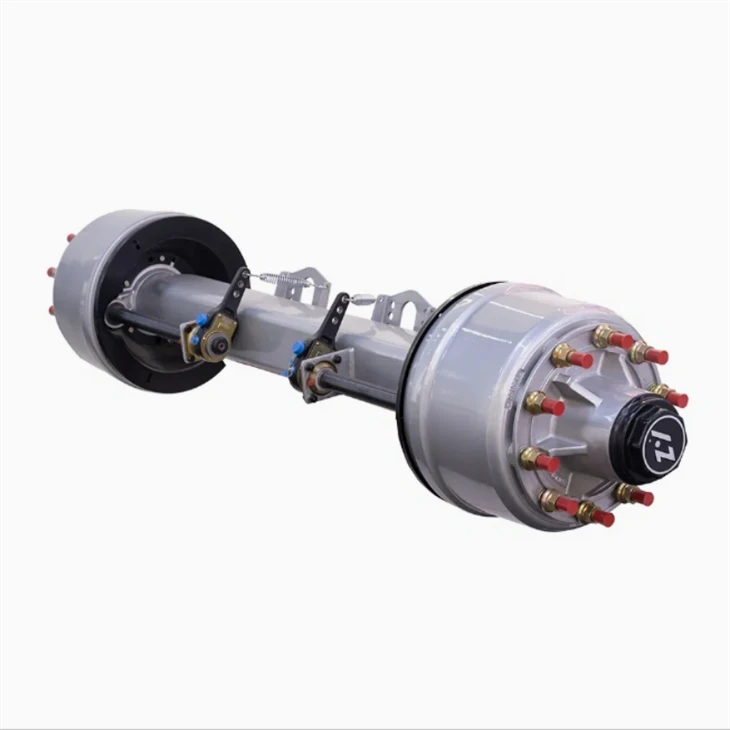
Let's start with the basics. A trailer axle is a central shaft that connects the wheels of a trailer. It's responsible for supporting the weight of the trailer and its cargo, as well as transferring the power from the towing vehicle to the wheels. Axles come in different types and sizes, like the Lowbed Series Axle, 10T Lightweight Axle, and German Style Axle, each designed for specific applications and load capacities.
Effects of High Temperatures
High temperatures can cause a whole bunch of problems for trailer axles. One of the main issues is expansion. Just like most materials, metal expands when it gets hot. When the temperature rises, the axle shaft and other components of the axle can expand. This expansion can lead to increased stress on the axle bearings. Bearings are small, precision parts that allow the wheels to rotate smoothly. If the axle expands too much, it can put extra pressure on the bearings, causing them to wear out faster.
Another problem is the impact on the lubricants. Lubricants are used in the axle to reduce friction between moving parts. But high temperatures can cause the lubricants to break down. When the lubricant breaks down, it loses its ability to protect the components. This can result in increased friction, which in turn generates more heat. It's a vicious cycle that can lead to premature wear and even failure of the axle.
High temperatures can also affect the strength of the metal. When metal is exposed to extreme heat for an extended period, its molecular structure can change. This can reduce the overall strength and durability of the axle. For example, if you're towing a heavy load in hot weather, the combination of the load stress and the weakened metal can increase the risk of axle failure.
Effects of Low Temperatures
On the flip side, low temperatures can also be a headache. Cold temperatures cause the metal to contract. Just as expansion can be a problem, contraction can also lead to issues. When the axle contracts, it can create gaps between components. These gaps can allow dirt, water, and other contaminants to enter the axle assembly. Once these contaminants get in, they can damage the bearings and other parts.
The lubricants are also affected by cold temperatures. In cold weather, lubricants can become thicker. A thick lubricant doesn't flow as easily as a thin one. This means that it may not reach all the parts that need to be lubricated. As a result, the components may not be properly protected, leading to increased wear.
In addition, cold temperatures can make the metal more brittle. Brittle metal is more likely to crack or break under stress. So, if you hit a pothole or encounter a sudden shock while driving in cold weather, the axle is at a higher risk of damage.

How to Mitigate the Effects of Temperature
Now that we know what temperature can do to trailer axles, let's talk about how to deal with it. First off, proper maintenance is key. Regularly check the axle for signs of wear and tear, especially after driving in extreme temperatures. Make sure to inspect the bearings, lubricants, and the overall condition of the axle.
When it comes to lubricants, choose the right one for the climate you'll be driving in. There are lubricants specifically designed for high - temperature and low - temperature conditions. Using the appropriate lubricant can help ensure that the axle components are properly protected, regardless of the temperature.
Another important thing is to avoid overloading the trailer. Overloading puts extra stress on the axle, and this stress is compounded by temperature effects. Make sure you know the maximum load capacity of your trailer axle and stick to it.
If you're going to be driving in extreme temperatures, it's a good idea to take breaks. This gives the axle a chance to cool down or warm up gradually. For example, if you're towing in hot weather, stop every few hours to let the axle cool off.
Impact on Different Types of Axles
Different types of axles may be affected differently by temperature. For instance, the Lowbed Series Axle is often used for heavy - duty applications. These axles are designed to handle large loads, but they can still be vulnerable to temperature changes. The extra weight they carry means that the stress on the axle is already high, and temperature - related expansion or contraction can exacerbate the problem.
The 10T Lightweight Axle is, as the name suggests, lighter. While it may be more efficient in normal conditions, it may be more sensitive to temperature - induced stress. The lighter construction means that there's less material to absorb the effects of expansion and contraction.
The German Style Axle is known for its high - quality design and precision engineering. However, even these well - made axles can be affected by temperature. The precision components in a German - style axle require proper lubrication and temperature control to function at their best.
Conclusion
Temperature has a significant impact on trailer axles. Whether it's the expansion and lubricant breakdown caused by high temperatures or the contraction and brittleness associated with low temperatures, temperature changes can lead to a variety of problems. But by understanding these effects and taking the necessary precautions, you can help ensure the longevity and reliability of your trailer axles.
If you're in the market for a new trailer axle or need advice on how to maintain your existing one, we're here to help. We've got a wide range of axles, including the Lowbed Series Axle, 10T Lightweight Axle, and German Style Axle, to meet your specific needs. Feel free to reach out to us to discuss your requirements and start a purchase negotiation.
References
- "Automotive Axle Design and Analysis" - A technical guide on axle design that covers the effects of temperature on axles.
- "Lubrication in Automotive Applications" - A resource that explains how temperature affects lubricants in axles.
- "Materials Science for Automotive Components" - This book provides insights into how temperature impacts the properties of metals used in axles.


