

Hey there! I'm a supplier of trailer axles, and today I want to chat about one of the most common questions I get: "What is the load rating of my trailer axle?" It's a crucial question because getting it wrong can lead to all sorts of problems, from poor performance to serious safety issues. So, let's dive in and break it down.
What is Load Rating?
First things first, let's define what load rating means. The load rating of a trailer axle is the maximum amount of weight that the axle is designed to carry safely. This includes the weight of the trailer itself, plus any cargo you're hauling. It's usually measured in pounds or kilograms, and it's a number that you really need to pay attention to.
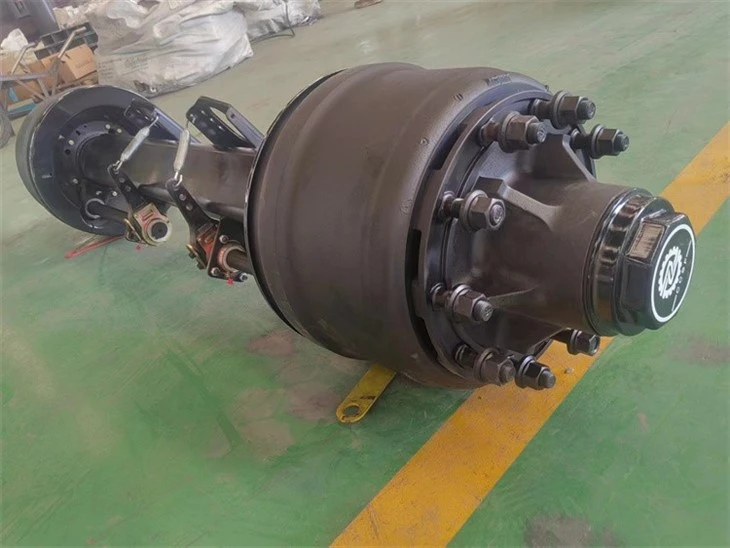
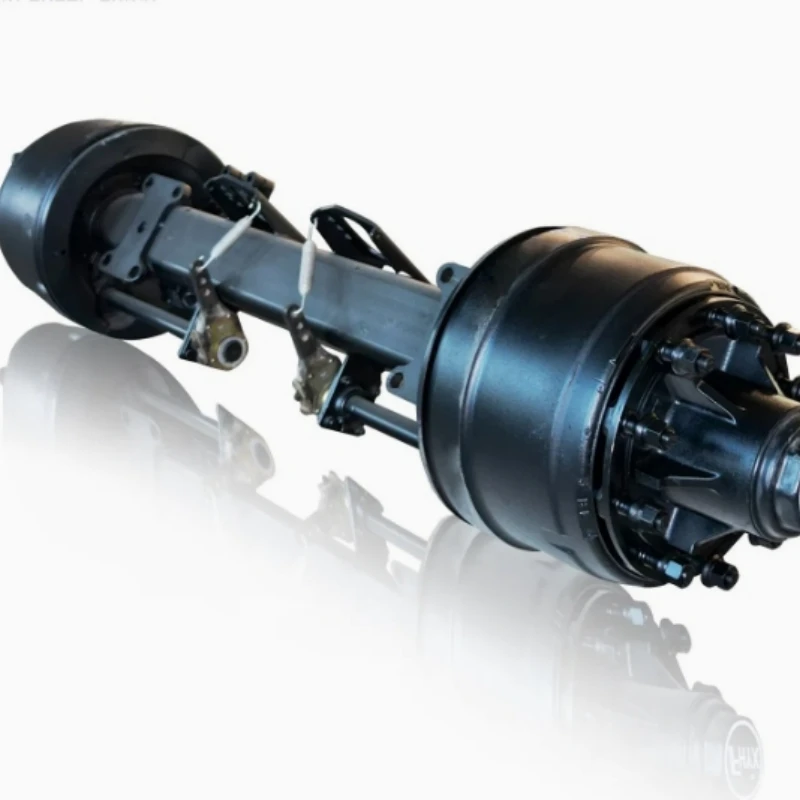
Think of it like the weight limit on an elevator. If you try to cram too many people or too much stuff into an elevator that's not built to handle the load, it's going to have a bad time. The same goes for your trailer axle. Overloading it can cause the axle to bend or break, damage your tires, and even affect the handling of your vehicle.
Why is Load Rating Important?
Now, you might be wondering why load rating is such a big deal. Well, there are a few reasons.
Safety
Safety is the number one reason. An overloaded axle can make your trailer unstable, increasing the risk of accidents. It can also cause your brakes to overheat and fail, which is obviously a huge problem. By making sure you're within the load rating of your axle, you're helping to keep yourself and others on the road safe.
Vehicle Performance
An overloaded axle can also affect the performance of your vehicle. It can make your engine work harder, which means you'll use more fuel. It can also cause premature wear and tear on your suspension, tires, and other components, leading to costly repairs down the road.
Legal Requirements
In many places, there are laws and regulations regarding the load capacity of trailers. If you're caught with an overloaded trailer, you could face fines or other penalties. So, it's not just a good idea to stay within the load rating – it's the law.
How to Determine the Load Rating of Your Trailer Axle
So, how do you figure out the load rating of your trailer axle? There are a few ways to do it.
Check the Manufacturer's Label
The easiest way is to check the manufacturer's label on your trailer. This label should have information about the load rating of the axle, as well as other important details like the tire size and the recommended tire pressure. If you can't find the label, or if it's worn or damaged, you can try contacting the manufacturer directly.
Look at the Axle Itself
Another way to determine the load rating is to look at the axle itself. Some axles have the load rating stamped or engraved on them. You might need to clean the axle or use a magnifying glass to see it, but it's worth a try.
Consult a Professional
If you're still not sure, or if you have a custom or older trailer, it might be a good idea to consult a professional. A trailer mechanic or an axle supplier like me can help you figure out the load rating of your axle and make sure you're using it safely.
Factors That Affect Load Rating
There are a few factors that can affect the load rating of your trailer axle.
Axle Type
Different types of axles have different load ratings. For example, a 10T Lightweight Axle is designed to carry a certain amount of weight, while a 1840 Oil Lubrication Axle might have a different capacity. When choosing an axle, it's important to consider the type and make sure it's suitable for your needs.
Number of Axles
The number of axles on your trailer also affects the load rating. A trailer with multiple axles can generally carry more weight than a trailer with a single axle. This is because the weight is distributed more evenly across the axles.
Tire Rating
The rating of your tires is also important. Your tires need to be able to support the weight of the trailer and its cargo. If your tires are underrated, they can wear out quickly or even fail, which can be dangerous. Make sure your tires have a load rating that is equal to or greater than the load rating of your axle.
Suspension System
The suspension system of your trailer can also affect the load rating. A good suspension system helps to distribute the weight evenly and absorb shocks, which can improve the performance and safety of your trailer. If your suspension system is worn or damaged, it can reduce the load rating of your axle.
Choosing the Right Axle for Your Trailer
When it comes to choosing the right axle for your trailer, there are a few things to keep in mind.
Consider Your Load
The first thing you need to do is consider the weight of the cargo you'll be hauling. Make sure you choose an axle with a load rating that is high enough to handle your typical load. It's also a good idea to leave some room for extra weight, just in case.
Think About Your Trailer
You also need to consider the type and size of your trailer. Different trailers have different requirements, so make sure you choose an axle that is compatible with your trailer. For example, if you have a lightweight trailer, you might want to consider a Lightweight Trailer Axles.
Look for Quality
When choosing an axle, it's important to look for quality. A high-quality axle will be more durable and reliable, which can save you money in the long run. Make sure you choose an axle from a reputable manufacturer and that it comes with a warranty.
Conclusion
So, there you have it – everything you need to know about the load rating of your trailer axle. It's an important topic, and one that you shouldn't overlook. By understanding the load rating of your axle and choosing the right one for your needs, you can ensure the safety and performance of your trailer.
If you're in the market for a new trailer axle, or if you have any questions about load ratings or anything else related to trailer axles, don't hesitate to reach out. I'm here to help you find the perfect axle for your trailer and make sure you're using it safely.
References
- Trailer Axle Handbook, Various Authors
- National Highway Traffic Safety Administration (NHTSA) Publications
- Industry Standards and Guidelines for Trailer Axles


