

Hey there! I'm a supplier of lightweight axles, and I've been in this game for quite a while. Over the years, I've seen the market for lightweight axles change and evolve. In this blog post, I want to share my insights on what the market demand for lightweight axles is all about.
The Growing Need for Lightweight Axles
First off, let's talk about why there's such a growing demand for lightweight axles. One of the main drivers is fuel efficiency. With the rising cost of fuel and increasing environmental concerns, more and more industries are looking for ways to reduce their carbon footprint and cut down on fuel consumption. Lightweight axles play a crucial role in achieving this goal.
When you use lightweight axles in vehicles, trailers, or other equipment, you're reducing the overall weight of the load. A lighter load means less energy is required to move it, which in turn leads to better fuel efficiency. For commercial trucking companies, this can translate into significant cost savings over time. They can haul the same amount of cargo with less fuel, increasing their profit margins and making their operations more sustainable.
Another industry that benefits greatly from lightweight axles is the recreational vehicle (RV) market. RV owners are always looking for ways to maximize the space and comfort of their vehicles while also improving fuel economy. Lightweight axles allow RV manufacturers to build lighter, more fuel - efficient models without sacrificing strength and durability. This makes RVs more appealing to consumers who want to enjoy the open road without breaking the bank on gas.
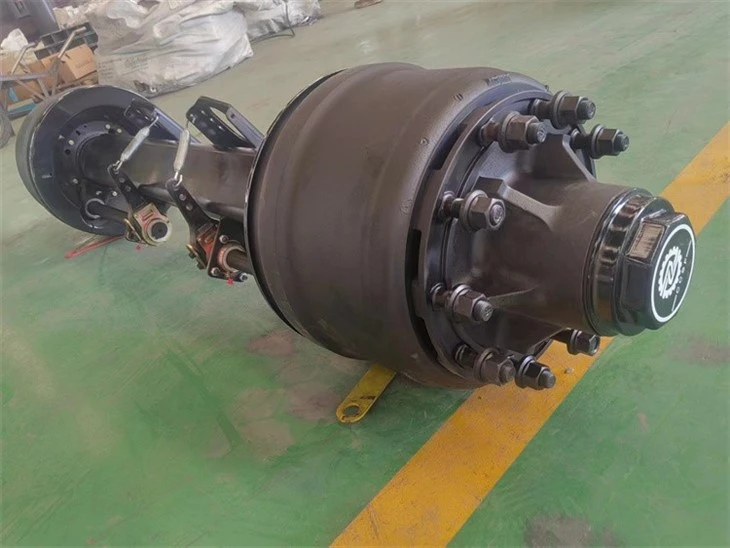
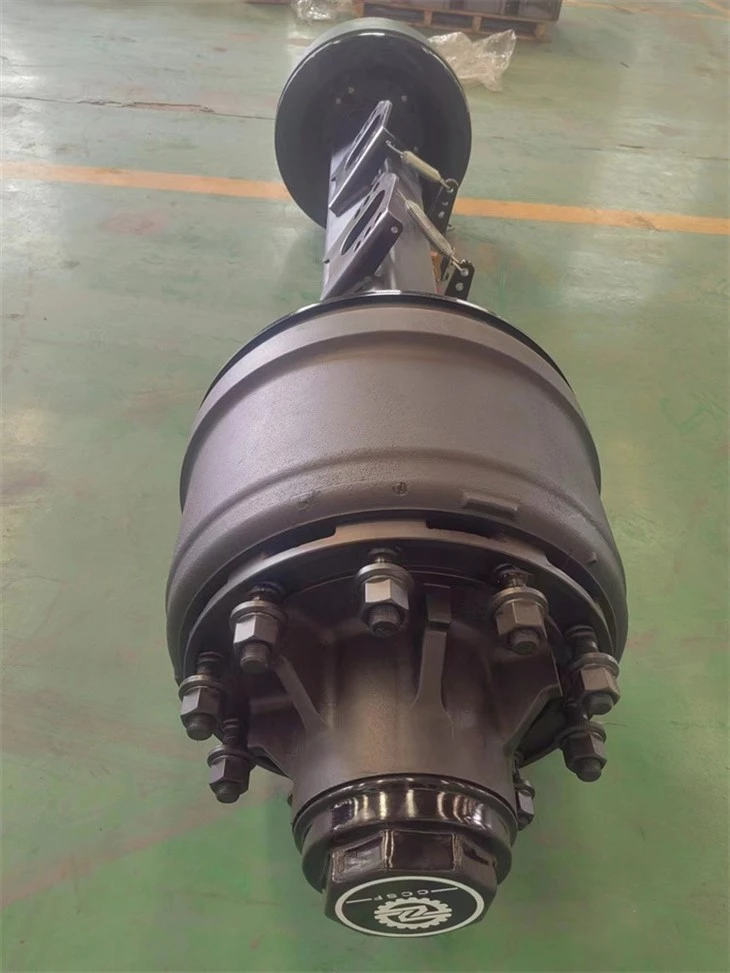
Applications of Lightweight Axles
Trailer Industry
Trailers are one of the most common applications for lightweight axles. Whether it's a small utility trailer for home use or a large commercial trailer for hauling heavy goods, lightweight axles offer several advantages. They make the trailer easier to tow, which is especially important for smaller vehicles. For example, if you have a compact SUV and you want to tow a small boat trailer, a lightweight axle will put less strain on your vehicle's engine and transmission.
In the commercial trailer market, lightweight axles can increase the payload capacity. Since the axle itself weighs less, more weight can be allocated to the cargo. This is a huge benefit for shipping companies that need to transport as much goods as possible in each trip. Check out our Lightweight Trailer Axles for some great options.
Automotive Industry
In the automotive world, lightweight axles are starting to gain popularity, especially in electric and hybrid vehicles. These vehicles are designed to be as energy - efficient as possible, and reducing weight is a key factor in achieving this. Lightweight axles can help improve the range of electric cars by reducing the energy required to move the vehicle. They also contribute to better handling and performance, as a lighter vehicle can accelerate and brake more quickly.
Specialized Equipment
There are also many specialized applications for lightweight axles. For example, in the military, lightweight axles are used in armored vehicles and other equipment to improve mobility. In the agricultural sector, they can be used in farm trailers and machinery to reduce soil compaction and improve fuel efficiency.
Market Trends
The market for lightweight axles is constantly evolving, and there are a few trends that are worth noting. One of the biggest trends is the increasing use of advanced materials. Manufacturers are now using materials like aluminum and composite materials to make axles lighter without sacrificing strength. These materials are not only lighter but also more corrosion - resistant, which extends the lifespan of the axles.
Another trend is the demand for customization. Different industries and applications have different requirements for axles, such as load capacity, axle length, and mounting options. As a result, there's a growing need for suppliers to offer customized lightweight axles. At our company, we understand this need and are able to provide tailored solutions to meet the specific needs of our customers.
The rise of online shopping has also had an impact on the market. Customers now expect to be able to research and purchase lightweight axles online easily. This has forced suppliers to improve their online presence and provide detailed product information on their websites. We've made sure that our website is user - friendly and that you can find all the information you need about our American-style Suspension Kits and other products.
Challenges in the Market
Of course, the market for lightweight axles is not without its challenges. One of the main challenges is the cost. Advanced materials like aluminum and composites are more expensive than traditional steel, which can make lightweight axles more costly to produce. This can be a deterrent for some customers, especially those on a tight budget. However, it's important to consider the long - term savings in fuel costs and maintenance when evaluating the cost of lightweight axles.
Another challenge is the perception of durability. Some customers are still skeptical about the strength and durability of lightweight axles. They worry that a lighter axle may not be able to handle heavy loads or rough terrain. As a supplier, it's our job to educate customers about the engineering and testing that goes into making these axles. For example, our 10 Ton Lightweight Axle is designed and tested to meet high - standards of strength and reliability.
The Future of the Lightweight Axle Market
Looking ahead, the future of the lightweight axle market looks bright. As fuel prices continue to rise and environmental regulations become more stringent, the demand for lightweight axles is only going to increase. We can expect to see more innovation in materials and design, leading to even lighter and more efficient axles.
The integration of smart technology is also likely to be a big part of the future. Axles could be equipped with sensors to monitor load, temperature, and other parameters, providing real - time data to the vehicle operator or maintenance team. This would help improve safety and prevent breakdowns.
Conclusion
In conclusion, the market demand for lightweight axles is driven by the need for fuel efficiency, increased payload capacity, and improved performance. There are many applications for lightweight axles in various industries, from trailers and automotive to specialized equipment. While there are challenges in the market, such as cost and perception of durability, the future looks promising with the trends of advanced materials, customization, and smart technology.
If you're in the market for lightweight axles, I encourage you to reach out to us. We have a wide range of high - quality products and can work with you to find the best solution for your needs. Whether you're a small business owner looking to improve your fleet's fuel efficiency or an RV enthusiast wanting a better - performing vehicle, we've got you covered. Let's start a conversation and see how we can help you with your lightweight axle needs.
References
- "Axle Design and Manufacturing Trends" - Automotive Engineering Journal
- "The Impact of Lightweight Materials on Trailer Performance" - Trailer Magazine
- "Fuel Efficiency and Lightweighting in the Transportation Industry" - Department of Energy Report


