

Are built - in iron legs compatible with different types of furniture materials?
As a supplier of built - in iron legs, I've often been asked about the compatibility of these legs with various furniture materials. This is a crucial question for both furniture manufacturers and consumers, as the right combination can enhance the overall quality, durability, and aesthetics of the furniture.
Compatibility with Wood
Wood is one of the most common materials used in furniture making. It comes in a wide range of types, from softwoods like pine to hardwoods such as oak and mahogany. Built - in iron legs can be an excellent choice for wooden furniture.
For softwoods, the strength of iron legs provides the necessary support. Softwoods are generally less dense and may not be as structurally sound on their own. Iron legs can prevent sagging and ensure that the furniture maintains its shape over time. When it comes to attaching the iron legs to softwood, a combination of screws and glue can be used. The screws provide a mechanical connection, while the glue helps to strengthen the bond and prevent any movement that could cause damage to the wood.
Hardwoods, on the other hand, are more dense and strong. However, they are also more expensive. By using built - in iron legs, we can reduce the amount of hardwood needed in the furniture's structure, which can be a cost - effective solution. The iron legs can add a modern and industrial look to the traditional warmth of hardwood furniture. For example, a dining table made of oak with built - in iron legs can create a unique and stylish centerpiece in a dining room. The compatibility between iron and hardwood is also enhanced by the fact that both materials age well. The iron may develop a patina over time, which can complement the natural aging process of the wood.
Compatibility with Glass
Glass furniture is known for its elegance and transparency. Built - in iron legs can provide the necessary support for glass pieces while adding a touch of contrast. For a glass coffee table, iron legs can create a stable base. The smooth surface of the glass and the rugged texture of the iron create an interesting visual effect.
When it comes to the attachment of iron legs to glass, special techniques are required. One common method is to use brackets or clamps that are designed to hold the glass securely without causing any damage. These brackets can be attached to the iron legs and then adjusted to fit the edges of the glass. The iron legs also need to be properly finished to prevent any scratching of the glass. A powder - coated finish on the iron can be a good option as it provides a smooth and protective surface.
Another advantage of using built - in iron legs with glass furniture is that they can hide any structural components that might otherwise be visible. This can enhance the overall aesthetic appeal of the glass piece. For instance, in a glass display cabinet, the iron legs can support the weight of the glass shelves and the items on them, while also concealing the internal support structures.
Compatibility with Plastic
Plastic is a versatile and affordable material. It can be molded into various shapes and colors. Built - in iron legs can add strength and stability to plastic furniture. For example, a plastic chair with built - in iron legs can be more comfortable and durable. The iron legs can prevent the plastic from deforming under the weight of the user.
The attachment of iron legs to plastic is relatively straightforward. Screws can be used to secure the legs to the plastic frame. However, it's important to choose the right type of screws and to pre - drill holes in the plastic to prevent cracking. The combination of plastic and iron can also result in a more environmentally friendly product. Since plastic can be recycled, and iron is one of the most recycled materials in the world, furniture made with these two materials can have a lower environmental impact.
Compatibility with Stone
Stone furniture, such as marble or granite tables, is heavy and requires strong support. Built - in iron legs are well - suited for this purpose. The high strength of iron can easily bear the weight of the stone. For a marble kitchen countertop, iron legs can provide a stable base. The natural beauty of the stone and the industrial look of the iron can create a luxurious and modern kitchen design.
When attaching iron legs to stone, we often use epoxy adhesives or mechanical fasteners. Epoxy adhesives can create a strong bond between the iron and the stone, while mechanical fasteners like bolts can provide additional security. The iron legs also need to be treated to prevent rust, especially in a kitchen environment where there may be moisture.
Other Related Products and Links
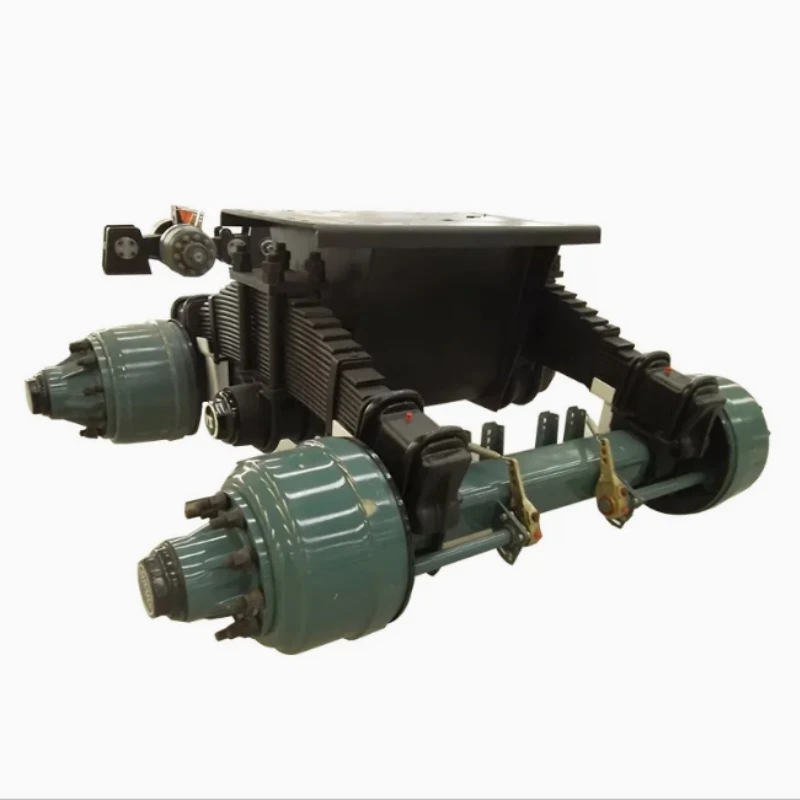
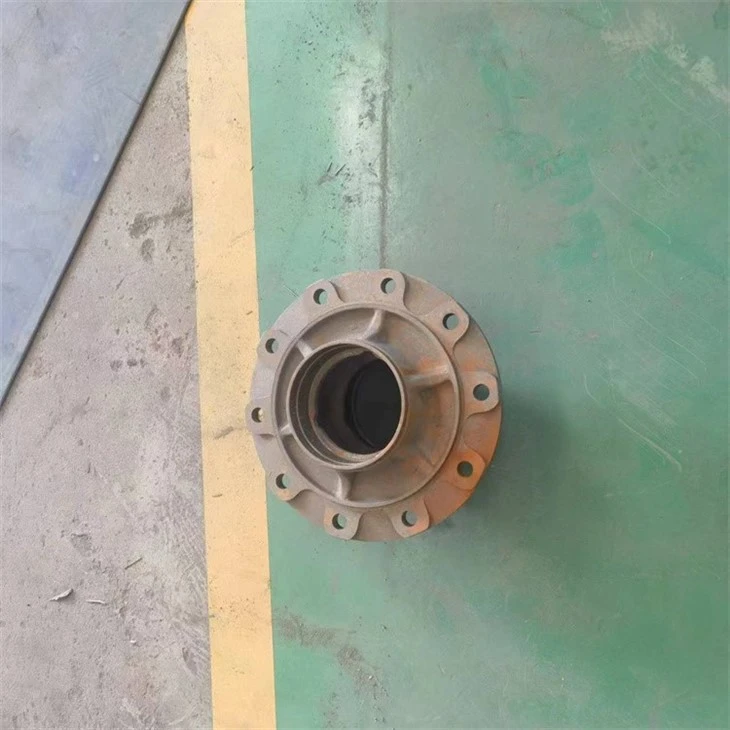
In addition to built - in iron legs, we also offer other related products. For example, our Single Point Suspension can be used in some specialized furniture applications where a unique type of support is required. Our Built - in Aluminum Legs are another option for those who prefer a lighter and more corrosion - resistant material. And our Axle Axle Head can be used in the construction of certain types of furniture with moving parts.
Conclusion
In conclusion, built - in iron legs are highly compatible with different types of furniture materials. Whether it's wood, glass, plastic, or stone, iron legs can provide strength, stability, and a unique aesthetic appeal. As a supplier of built - in iron legs, we are committed to providing high - quality products that meet the diverse needs of our customers.
If you are a furniture manufacturer or a consumer interested in using built - in iron legs in your projects, we invite you to contact us for more information and to discuss your specific requirements. Our team of experts is ready to assist you in finding the perfect solution for your furniture needs.
References
- Smith, J. (2018). Furniture Materials and Their Compatibility. Furniture Journal, 25(3), 45 - 56.
- Johnson, A. (2019). The Art of Combining Different Furniture Materials. Design Review, 32(1), 67 - 78.
- Brown, C. (2020). Iron in Furniture: A Historical and Modern Perspective. Metalwork and Furniture, 18(2), 34 - 43.


