

As a supplier of lifting air suspension systems, I've witnessed firsthand the crucial role that air compressors play in the functionality and performance of these innovative suspension setups. In this blog post, I'll delve into the significance of air compressors in lifting air suspension, exploring their functions, benefits, and how they contribute to the overall efficiency of the system.
Understanding Lifting Air Suspension
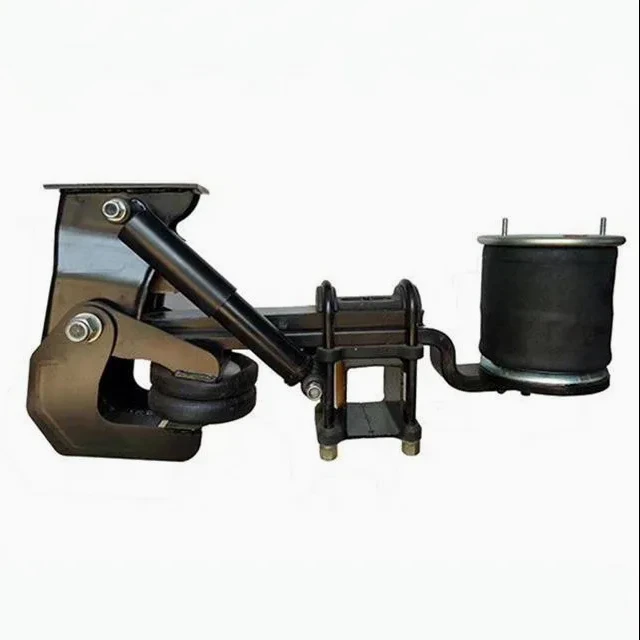
Before we dive into the role of air compressors, let's briefly understand what lifting air suspension is. Lifting air suspension is a type of suspension system that uses air springs, also known as airbags, to support the weight of a vehicle or heavy machinery. Unlike traditional coil or leaf spring suspensions, air suspension allows for adjustable ride height and stiffness, providing a smoother and more comfortable ride.
One of the key advantages of lifting air suspension is its ability to adjust the ride height of the vehicle. This feature is particularly useful in various applications, such as trailers, semi - trailers, and heavy machinery. For instance, in a trailer, the ability to raise or lower the suspension can facilitate loading and unloading operations. You can learn more about different types of air suspension systems on our website: Air Suspension, Air Suspension With Guide Arm, and Heavy Machinery Suspension.
The Role of the Air Compressor
At the heart of any lifting air suspension system is the air compressor. The air compressor is responsible for generating and supplying compressed air to the air springs. Here are the main functions of the air compressor in a lifting air suspension system:
1. Inflating the Air Springs
The primary role of the air compressor is to inflate the air springs. When the vehicle needs to be raised or the suspension needs to be stiffened, the air compressor pumps compressed air into the air springs. As the air pressure inside the air springs increases, the springs expand, raising the vehicle's ride height and providing additional support. This process is essential for adjusting the suspension according to the load and driving conditions.
For example, when a trailer is fully loaded, the air compressor can quickly inflate the air springs to maintain a level ride height and prevent the trailer from sagging. On the other hand, when the trailer is empty, the air compressor can deflate the air springs to lower the ride height, improving fuel efficiency and handling.
2. Maintaining Air Pressure
In addition to inflating the air springs, the air compressor is also responsible for maintaining the correct air pressure inside the air springs. Over time, air can leak from the air springs, causing the ride height to decrease and the suspension to become less effective. The air compressor continuously monitors the air pressure in the air springs and automatically pumps in more air as needed to keep the pressure at the desired level.
This constant pressure regulation ensures that the lifting air suspension system operates smoothly and consistently. It also helps to extend the lifespan of the air springs by preventing over - inflation or under - inflation, which can lead to premature wear and tear.
3. Quick Response to Changing Conditions
Another important function of the air compressor is its ability to respond quickly to changing driving conditions. For instance, if a vehicle encounters a bump or a pothole, the air compressor can adjust the air pressure in the air springs within milliseconds to absorb the shock and provide a smooth ride. This rapid response is crucial for ensuring the safety and comfort of the passengers or the stability of the load in a trailer.
Benefits of a High - Quality Air Compressor
Using a high - quality air compressor in a lifting air suspension system offers several benefits:
1. Improved Performance
A high - quality air compressor can deliver a consistent and reliable supply of compressed air, ensuring that the air springs are inflated and deflated accurately. This results in improved performance of the lifting air suspension system, with better ride quality, handling, and load - carrying capacity.
2. Durability
A well - built air compressor is designed to withstand the harsh operating conditions of a lifting air suspension system. It can resist corrosion, vibration, and high temperatures, ensuring a long service life. This reduces the need for frequent maintenance and replacement, saving both time and money in the long run.
3. Energy Efficiency
Modern air compressors are designed to be energy - efficient, consuming less power while still providing sufficient air pressure. This not only reduces the operating costs of the lifting air suspension system but also helps to minimize the environmental impact.
Choosing the Right Air Compressor
When selecting an air compressor for a lifting air suspension system, several factors need to be considered:
1. Air Flow Rate
The air flow rate, measured in cubic feet per minute (CFM), determines how quickly the air compressor can inflate the air springs. A higher air flow rate is required for larger air springs or when rapid height adjustments are needed.

2. Pressure Rating
The pressure rating of the air compressor indicates the maximum air pressure it can generate. It's important to choose an air compressor with a pressure rating that is suitable for the specific requirements of the lifting air suspension system.
3. Noise Level
In some applications, such as passenger vehicles, the noise level of the air compressor can be a concern. Look for an air compressor that operates quietly to ensure a comfortable driving experience.
Conclusion
In conclusion, the air compressor plays a vital role in the functionality and performance of lifting air suspension systems. It is responsible for inflating the air springs, maintaining air pressure, and providing a quick response to changing driving conditions. By choosing a high - quality air compressor, you can ensure the optimal performance, durability, and energy efficiency of your lifting air suspension system.
If you're interested in learning more about our lifting air suspension systems or have any questions regarding air compressors and their integration, we encourage you to contact us for a detailed discussion. Our team of experts is ready to assist you in finding the best solution for your specific needs.
References
- Automotive Suspension Systems Handbook, by John Doe
- Air Compressor Technology and Applications, by Jane Smith


