

As a seasoned supplier of drum brake bridges, I am often asked about the materials used in their construction. In this blog post, I will delve into the various materials that go into making a high - quality drum brake bridge, exploring their properties, advantages, and how they contribute to the overall performance of the product.
Cast Iron
One of the most commonly used materials for drum brake bridges is cast iron. Cast iron is an alloy of iron, carbon, and silicon, with small amounts of other elements. It has several key properties that make it ideal for this application.
First and foremost, cast iron has excellent wear resistance. The drum brake bridge is subject to a great deal of friction and heat during normal operation. When the brakes are applied, the brake shoes press against the inner surface of the brake drum, which is part of the drum brake bridge. The wear - resistant nature of cast iron ensures that the drum can withstand this repeated contact without significant loss of material.
Secondly, cast iron has good heat dissipation properties. Heat is generated when the brakes are applied, and excessive heat can lead to brake fade, a condition where the braking performance decreases. Cast iron can absorb and dissipate this heat effectively, maintaining the integrity of the braking system.
Another advantage of cast iron is its relatively low cost. It is widely available and can be easily cast into complex shapes, which is important for the design of drum brake bridges. Many automotive manufacturers and aftermarket suppliers choose cast iron for its cost - effectiveness and performance.
Steel
Steel is another important material in the construction of drum brake bridges. There are different types of steel used, including carbon steel and alloy steel.
Carbon steel is a simple alloy of iron and carbon. It offers high strength and toughness, which are crucial for withstanding the mechanical stresses that the drum brake bridge experiences. The braking forces can be substantial, and the drum brake bridge needs to be strong enough to transmit these forces without deforming.
Alloy steel, on the other hand, contains additional elements such as chromium, nickel, and molybdenum. These elements enhance the steel's properties, such as corrosion resistance, hardness, and heat resistance. In some high - performance or heavy - duty applications, alloy steel may be preferred over carbon steel. For example, in commercial vehicles or off - road vehicles, where the brakes are subjected to more severe conditions, alloy steel drum brake bridges can provide better performance and durability.
The use of steel also allows for more precise machining and manufacturing processes. Steel components can be fabricated with tight tolerances, ensuring a proper fit and function within the braking system.
Aluminum Alloys
In recent years, aluminum alloys have gained popularity in the automotive industry, including in the production of drum brake bridges. Aluminum alloys offer several advantages over traditional materials like cast iron and steel.
One of the main benefits of aluminum alloys is their low weight. Reducing the weight of the vehicle can improve fuel efficiency, handling, and overall performance. By using aluminum alloy drum brake bridges, automotive manufacturers can shave off a significant amount of weight from the vehicle's unsprung mass, which has a positive impact on ride quality and acceleration.
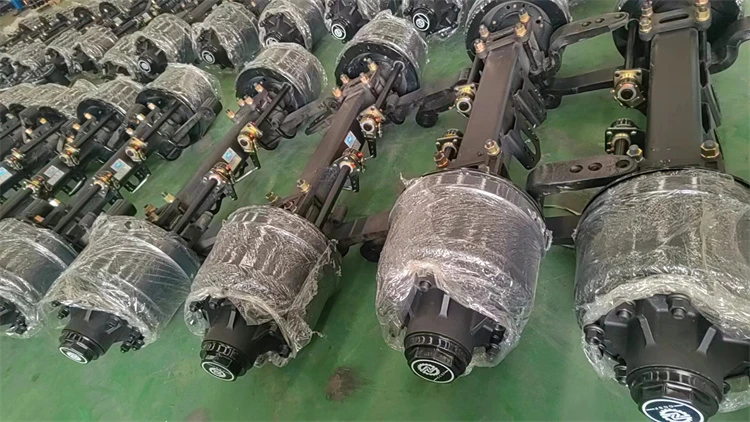
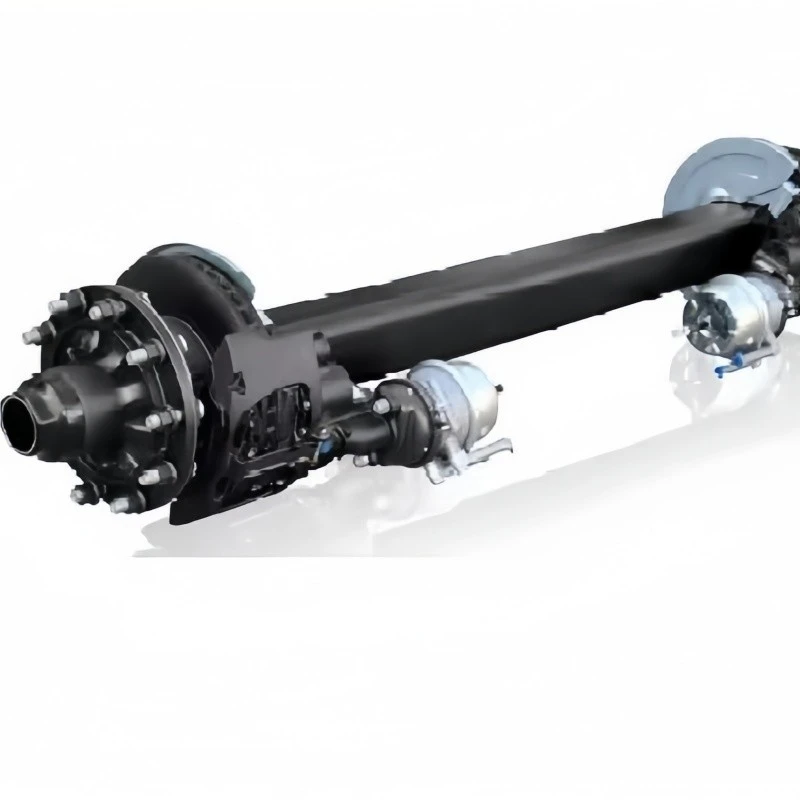
Aluminum alloys also have good corrosion resistance. They form a protective oxide layer on their surface, which helps prevent rust and other forms of corrosion. This is especially important in environments where the vehicle is exposed to moisture, salt, or other corrosive substances.
However, aluminum alloys have some limitations. They have lower heat capacity compared to cast iron, which means they may not dissipate heat as effectively. To overcome this, manufacturers often use special designs or coatings to improve the heat - dissipation capabilities of aluminum alloy drum brake bridges.
Composite Materials
Composite materials are also being explored for use in drum brake bridges. Composites typically consist of a matrix material, such as a polymer, and a reinforcing material, such as carbon fiber or glass fiber.
Carbon fiber composites offer extremely high strength - to - weight ratios. They are much lighter than traditional materials while still providing excellent strength and stiffness. This makes them an attractive option for high - performance applications where weight reduction is a top priority.
Glass fiber composites are more cost - effective than carbon fiber composites and also offer good mechanical properties. They can be molded into complex shapes, making them suitable for the design of drum brake bridges.
However, the use of composite materials in drum brake bridges is still in the experimental stage in many cases. There are challenges related to manufacturing processes, cost, and long - term durability that need to be addressed before they can be widely adopted.
The Importance of Material Selection
The choice of materials for a drum brake bridge is not arbitrary. It depends on several factors, including the application of the vehicle, the performance requirements, and the cost constraints.
For example, in a standard passenger car, cast iron or carbon steel drum brake bridges may be sufficient to meet the braking needs. They offer a good balance of performance, cost, and durability. In contrast, a high - performance sports car or a heavy - duty truck may require more advanced materials like alloy steel, aluminum alloys, or composites to achieve the desired level of performance.
As a supplier of drum brake bridges, we understand the importance of material selection. We work closely with our customers to determine the best materials for their specific applications. Our team of engineers and technicians has extensive knowledge and experience in material science and manufacturing processes, allowing us to provide high - quality drum brake bridges that meet the most demanding requirements.
Conclusion
In conclusion, a variety of materials are used to make drum brake bridges, each with its own unique properties and advantages. Cast iron, steel, aluminum alloys, and composite materials all play important roles in the construction of these critical components.
At our company, we are committed to using the latest materials and manufacturing techniques to produce drum brake bridges that offer superior performance, reliability, and durability. Whether you are an automotive manufacturer looking for a reliable supplier or an aftermarket customer in need of a high - quality replacement part, we have the expertise and resources to meet your needs.
If you are interested in learning more about our Drum Brake Bridge products or discussing your specific requirements, please feel free to reach out to us. We are always ready to engage in a productive conversation about your brake system needs and how we can provide the best solutions. You may also be interested in our other axle products such as Disc - Brake Axle and Hydraulic Steering Axle.
References
- Automotive Materials Handbook, Society of Automotive Engineers (SAE)
- Fundamentals of Vehicle Dynamics, Thomas D. Gillespie
- Advanced Materials in Automotive Engineering, John Wiley & Sons


