

As a supplier of lightweight axles, I often get asked about the safety and potential risks of straightening these axles. It's a valid concern, especially when you're dealing with the load-bearing parts of a trailer. Today, I'm going to dive into this topic and share what I've learned over the years in the business.
First off, let's understand what a lightweight axle is. Lightweight axles are designed to offer a balance between strength and weight, which is super important for trailers. They help in reducing the overall weight of the trailer, thereby improving fuel efficiency and making it easier to tow. We offer a range of lightweight axles, including the 10 Ton Lightweight Axle and Lightweight Trailer Axles. These axles are carefully engineered to meet high - quality standards, but sometimes, they might get bent, and the idea of straightening them comes up.
So, are there risks associated with straightening a lightweight axle? The answer is yes, and there are a few key reasons for this.
One of the main risks is structural compromise. Lightweight axles are made using advanced materials and manufacturing techniques to achieve their low weight. When you straighten an axle, you're applying force to change its shape. This force can cause microscopic cracks or other internal damage. These hidden issues might not be visible to the naked eye, but they can significantly weaken the axle over time. For example, repeated stress from normal trailer use can cause these cracks to grow, leading to a sudden axle failure. And you don't want that happening in the middle of a long - distance haul!
Another risk is related to alignment. A properly aligned axle is crucial for the smooth and safe operation of a trailer. When an axle gets bent, its alignment is off, and straightening it isn't always a perfect process. If the alignment isn't restored accurately, it can lead to uneven tire wear. You'll find that your tires start wearing out faster on one side, which not only means you'll have to replace your tires more often but also affects the handling of the trailer. Uneven tire wear can also cause the trailer to pull to one side, making it more difficult and dangerous to tow.
Heat is also a factor to consider. In some cases, heat might be used during the straightening process. Lightweight axles are made of materials that have specific heat - tolerance levels. Exposing the axle to too much heat can change the metallurgical properties of the material. This change can make the axle softer or more brittle than it was originally designed. A softer axle might not be able to handle the load properly, while a brittle axle can break more easily under stress.
Now, you might be thinking, “Is there any way to straighten an axle safely?” Well, if it has to be done, it should be carried out by a professional with experience in working with lightweight axles. They know the right techniques and equipment to use. They'll start by thoroughly inspecting the axle to assess the extent of the damage. They'll also use precise measurement tools to ensure that the alignment is restored accurately after straightening. And if heat is required, they'll control the temperature carefully to avoid damaging the axle.

But here's the thing: in many cases, it might be better to replace the axle rather than try to straighten it. At our company, we understand that cost is a concern for our customers. However, the cost of a new axle is often outweighed by the potential costs and risks associated with a straightened axle that fails. The cost of replacing tires due to uneven wear, the downtime of your trailer if it breaks down on the road, and the safety risks to you and other road users are all factors to consider.
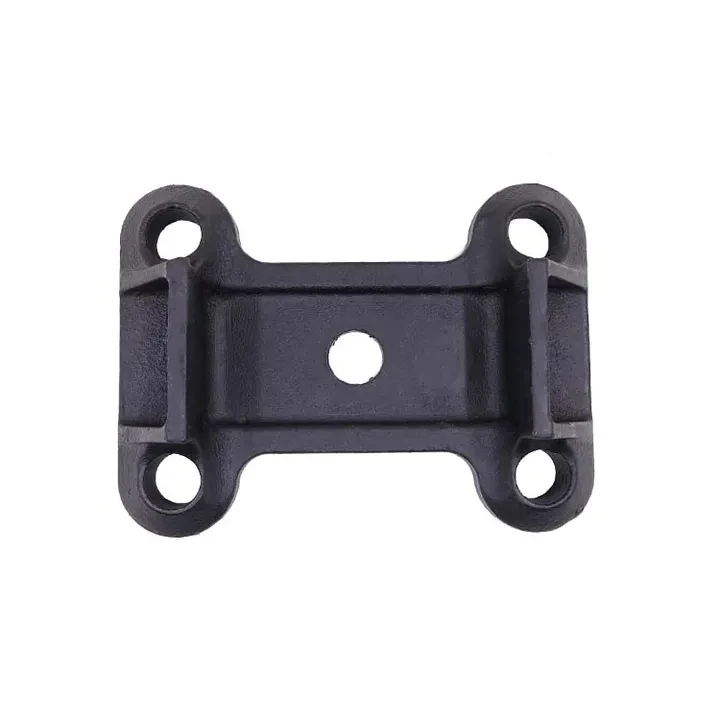
We also offer American - style Suspension Kits that are designed to work seamlessly with our lightweight axles. These kits can enhance the overall performance and safety of your trailer, but they rely on a properly functioning axle.
To sum it up, while it might seem like a quick and easy fix to straighten a lightweight axle, there are significant risks involved. If you have a bent lightweight axle, it's best to consult with a professional or reach out to us, a trusted lightweight axle supplier. We can help you make an informed decision based on the specific situation of your axle.
If you're in the market for new lightweight axles or just have questions about their maintenance, we're here to assist. Whether you need to replace an axle that's beyond repair or you're looking to upgrade your current setup, our team of experts can guide you through the process. Don't hesitate to contact us. We're committed to providing you with the best - quality products and advice to keep your trailer running safely and efficiently.
References:
- Industry Standards for Lightweight Axle Manufacturing
- Research on the Effects of Axle Straightening on Structural Integrity
- Case Studies of Trailer Axle Failures Due to Improper Straightening


