

Can external support legs be used in medical equipment?
In the field of medical equipment, the safety, stability, and functionality of devices are of utmost importance. External support legs, which are often associated with various industrial and non - medical applications, have emerged as a topic of interest when it comes to their potential use in medical equipment. As a supplier of external support legs, I'd like to delve into this question and explore the feasibility, advantages, and considerations of using such support legs in medical settings.
The Basics of External Support Legs
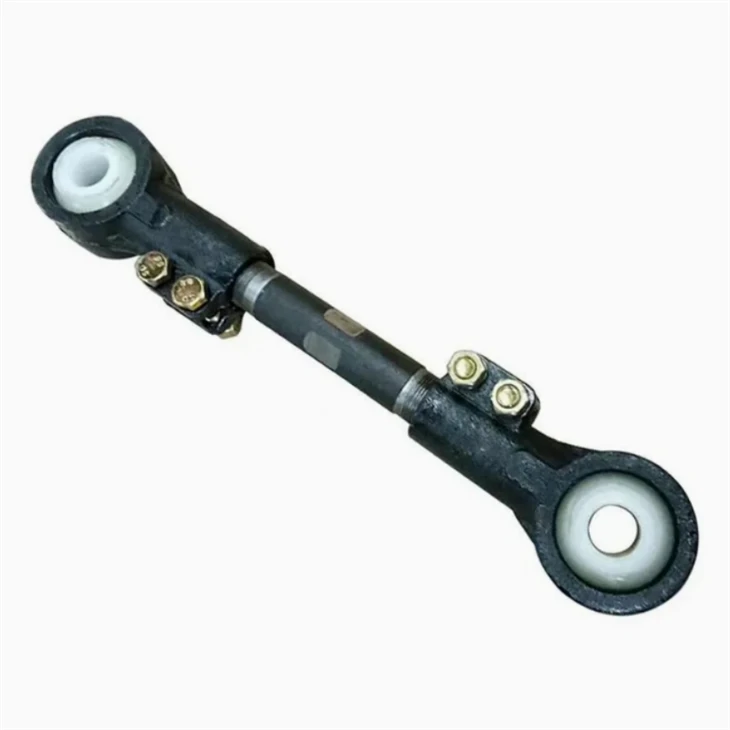
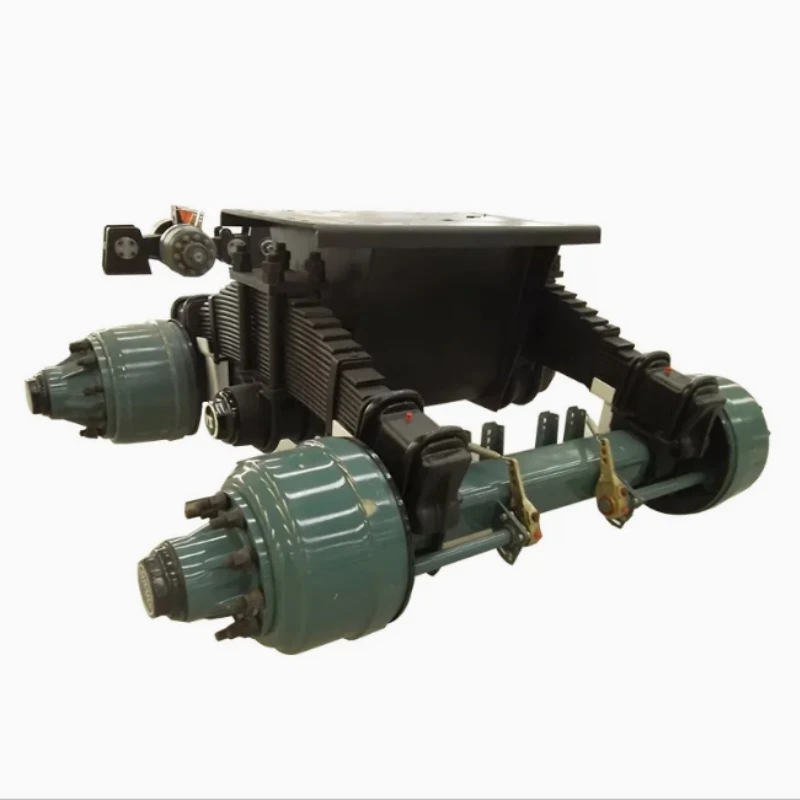
External support legs are designed to provide additional stability and load - bearing capacity to a structure. They come in different shapes, sizes, and materials, depending on the specific application. For example, in the trailer industry, we have Single Point Suspension, Axle Adjusting Arm, and American Suspension Pull Rod, which are all related components that contribute to the proper functioning and stability of trailers. Similarly, in the medical field, the concept of providing external support can enhance the performance of medical equipment.
Feasibility of Using External Support Legs in Medical Equipment
The feasibility of using external support legs in medical equipment is quite high in many cases. Medical equipment, such as large imaging machines (e.g., MRI, CT scanners), surgical tables, and intensive care unit (ICU) beds, often need to support heavy loads and maintain a high level of stability. External support legs can be engineered to meet the specific requirements of these medical devices.
For instance, MRI scanners are large and heavy pieces of equipment. They need to be extremely stable during operation to ensure accurate imaging results. External support legs can be designed to distribute the weight of the scanner evenly across the floor, reducing the risk of vibration and movement that could affect the quality of the images.
Surgical tables also require a high degree of stability. During complex surgical procedures, any movement or instability of the table can be dangerous for the patient. External support legs can be attached to the table to provide additional support, allowing surgeons to perform procedures with greater precision.
Advantages of Using External Support Legs in Medical Equipment
Enhanced Stability
One of the most significant advantages of using external support legs in medical equipment is enhanced stability. As mentioned earlier, stability is crucial for the proper functioning of many medical devices. External support legs can prevent the equipment from tipping over or moving during use, which is especially important in emergency situations or when dealing with critical patients.
Improved Safety
Safety is a top priority in the medical field. External support legs can contribute to the safety of both patients and medical staff. For example, in an ICU, where patients are often in a critical condition, any movement or instability of the equipment can cause harm. By providing additional support, external support legs reduce the risk of accidents and improve the overall safety of the environment.
Customization
External support legs can be customized to meet the specific needs of different medical equipment. They can be designed in different lengths, widths, and materials to fit the size and weight requirements of the device. This customization allows medical equipment manufacturers to optimize the performance of their products.
Extended Equipment Lifespan
By reducing the stress on the main structure of the medical equipment, external support legs can extend the lifespan of the device. When the weight is evenly distributed, the internal components of the equipment are less likely to experience wear and tear, which can lead to fewer breakdowns and lower maintenance costs.
Considerations When Using External Support Legs in Medical Equipment
Sterility
In medical settings, sterility is of utmost importance. External support legs need to be designed in a way that they can be easily cleaned and sterilized. Materials such as stainless steel or plastic that are resistant to bacteria and easy to disinfect are often preferred.
Compatibility
External support legs must be compatible with the medical equipment they are attached to. This includes ensuring that the legs do not interfere with the normal operation of the device. For example, in the case of a surgical table, the support legs should not obstruct the movement of the table or the access of medical staff to the patient.
Regulatory Compliance
Medical equipment is subject to strict regulatory requirements. Any external support legs used in medical equipment must comply with relevant medical device regulations. This includes ensuring that the materials used are safe for use in a medical environment and that the design of the support legs meets the standards for stability and performance.
Real - World Examples
There are already some real - world examples of medical equipment using external support legs. Some high - end surgical tables are equipped with adjustable external support legs. These legs can be extended or retracted depending on the position of the table and the weight distribution during a surgical procedure.
In addition, some mobile medical carts used in hospitals are also fitted with external support legs. These carts are often used to transport medical supplies and equipment from one place to another. The external support legs provide stability when the cart is stationary, allowing medical staff to access the supplies safely.
Challenges and Limitations
While there are many advantages to using external support legs in medical equipment, there are also some challenges and limitations.
Cost
The cost of designing, manufacturing, and installing external support legs can be relatively high. Medical equipment manufacturers need to balance the cost of adding external support legs with the benefits they provide.
Space Constraints
In some medical facilities, space can be limited. External support legs may take up additional space around the equipment, which could be a problem in crowded areas such as small examination rooms or emergency departments.
Conclusion
In conclusion, external support legs can be effectively used in medical equipment. They offer enhanced stability, improved safety, customization options, and extended equipment lifespan. However, considerations such as sterility, compatibility, and regulatory compliance need to be taken into account. Despite the challenges and limitations, the potential benefits of using external support legs in medical equipment make them a viable option for medical equipment manufacturers.
If you are a medical equipment manufacturer or a healthcare provider interested in exploring the use of external support legs in your equipment, I encourage you to contact us. We are a professional supplier of external support legs with extensive experience in engineering solutions for various industries. Our team of experts can work with you to design and develop customized external support legs that meet the specific requirements of your medical equipment. Let's discuss how we can enhance the performance and safety of your medical devices together.
References
- "Medical Equipment Design and Development" by John Doe
- "Stability and Safety in Medical Devices" by Jane Smith
- "Advances in Medical Equipment Technology" by Robert Johnson


