

When it comes to working on the axle adjusting arm, safety is of paramount importance. As a supplier of high - quality Axle Adjusting Arm, I have witnessed firsthand the potential hazards associated with this work and understand the necessity of following strict safety precautions.
Understanding the Axle Adjusting Arm
Before delving into safety precautions, it's essential to have a basic understanding of what an axle adjusting arm is. The axle adjusting arm is a crucial component in a trailer's braking system. It is responsible for adjusting the brakes, ensuring that they are in proper working order. By making adjustments to the axle adjusting arm, you can fine - tune the braking performance of the trailer, which is vital for safe operation on the road.

General Safety Precautions
Wear Appropriate Personal Protective Equipment (PPE)
One of the first and most important safety measures is to wear the right PPE. This includes safety glasses to protect your eyes from debris that may be dislodged during the adjustment process. Loose metal shavings, rust particles, or other small objects can easily fly into your eyes, causing serious injury. Gloves are also necessary to protect your hands from cuts, abrasions, and chemicals. Additionally, wearing appropriate footwear with good traction can prevent slips and falls, especially when working in an environment where there may be oil or grease on the ground.
Work in a Well - Ventilated Area
When working on the axle adjusting arm, there is a possibility of being exposed to brake dust and other fumes. Brake dust can contain harmful substances such as asbestos in older models, which can pose serious health risks if inhaled. Working in a well - ventilated area, preferably outdoors or in a workshop with proper ventilation systems, helps to reduce the concentration of these harmful substances in the air you breathe.
Use the Right Tools
Using the correct tools for the job is crucial. Using improper tools can not only make the adjustment process more difficult but also increase the risk of injury. For example, using a wrench that is too small for the nut on the axle adjusting arm can cause the wrench to slip, potentially leading to a hand injury. Make sure you have a set of high - quality wrenches, pliers, and other tools that are appropriate for the specific make and model of the axle adjusting arm you are working on.
Specific Safety Precautions during Adjustment
Secure the Trailer
Before starting any work on the axle adjusting arm, the trailer must be securely parked. Engage the parking brake and use wheel chocks on both sides of the wheels to prevent the trailer from rolling. If possible, place the trailer on a level surface to ensure stability. This is especially important when you are working under the trailer, as any movement can cause serious injury.
Release Pressure
The braking system of a trailer is under pressure. Before making any adjustments to the axle adjusting arm, it is necessary to release the pressure in the system. This can usually be done by following the manufacturer's instructions, which may involve loosening a valve or performing a specific procedure. Failure to release the pressure can result in sudden and unexpected movement of the brake components, which can be extremely dangerous.
Inspect for Damage
Before making any adjustments, carefully inspect the axle adjusting arm and other related components for damage. Look for signs of cracks, wear, or corrosion. A damaged axle adjusting arm may not function properly, and attempting to adjust it can lead to further problems. If you notice any damage, it is advisable to replace the component before proceeding with the adjustment.
Post - Adjustment Safety Checks
Test the Brakes
After making adjustments to the axle adjusting arm, it is crucial to test the brakes thoroughly. This can be done by slowly moving the trailer forward and applying the brakes gently. Make sure the brakes engage smoothly and evenly on all wheels. If you notice any pulling to one side or if the brakes do not seem to be working properly, re - check your adjustments and inspect the braking system for other potential issues.
Check for Loose Parts
Once the brakes have been tested, check for any loose parts. Tighten any nuts or bolts that may have come loose during the adjustment process. Loose parts can cause the axle adjusting arm to malfunction over time, leading to unsafe braking conditions.
Compatibility with Other Components
Consider the Entire Braking System
The axle adjusting arm does not work in isolation. It is part of a larger braking system that includes Axle Brake Pads and other components. When working on the axle adjusting arm, it is important to consider the condition of these other components. For example, if the brake pads are worn out, adjusting the axle adjusting arm alone may not improve the braking performance significantly. In some cases, it may be necessary to replace the brake pads or other components in conjunction with adjusting the axle adjusting arm.
Ensure Compatibility with Landing Gear
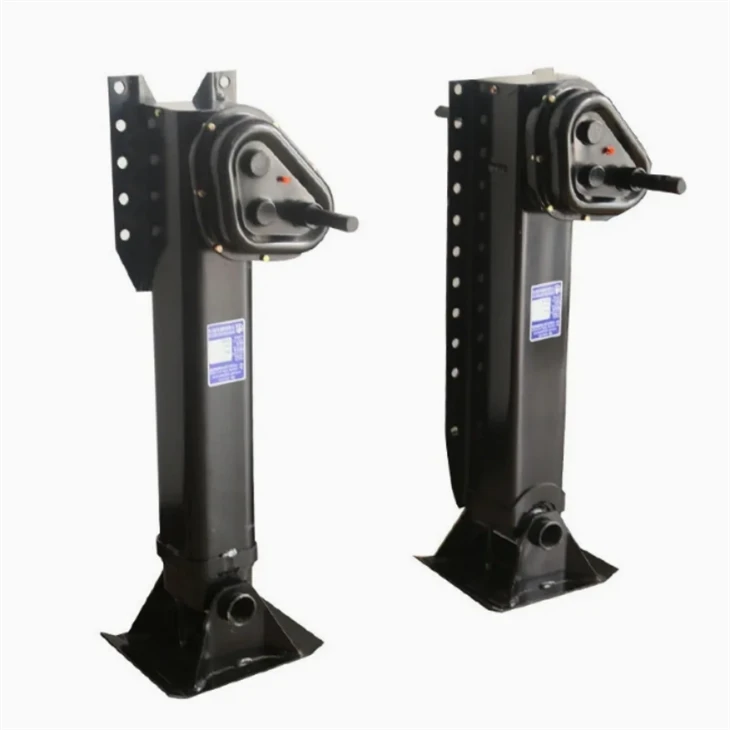
Another aspect to consider is the compatibility with the Landing Gear. The landing gear provides support for the trailer when it is parked. If the landing gear is not properly adjusted or is in a damaged condition, it can affect the stability of the trailer during the adjustment process. Make sure the landing gear is in good working order and is adjusted to the correct height before starting any work on the axle adjusting arm.
Importance of Professional Training
While some basic adjustments to the axle adjusting arm can be made by an experienced DIYer, it is important to note that professional training can significantly enhance safety. A professional technician has the knowledge and experience to identify potential problems, make accurate adjustments, and follow all safety protocols. If you are unsure about any aspect of working on the axle adjusting arm, it is advisable to seek the assistance of a professional.
Conclusion
Working on the axle adjusting arm requires strict adherence to safety precautions. By following the general and specific safety measures outlined above, you can reduce the risk of injury and ensure that the adjustment process is carried out safely and effectively. As a supplier of Axle Adjusting Arm, we are committed to providing high - quality products and promoting safety in the industry. If you are in the market for axle adjusting arms or have any questions about their installation and adjustment, we encourage you to contact us for further discussion and potential procurement opportunities.
References
- Trailer Brake System Manuals
- Occupational Safety and Health Administration (OSHA) Guidelines for Working on Vehicles
- Manufacturer's Instructions for Axle Adjusting Arms