

When it comes to the installation of built - in iron legs, a common question that arises is whether they require special tools. As a seasoned supplier of built - in iron legs, I've had numerous discussions with customers regarding this very topic. In this blog, I'll delve into the details of built - in iron leg installation, explore the need for special tools, and provide some insights based on my years of experience in the industry.
Understanding Built - in Iron Legs
Built - in iron legs are a crucial component in various applications, especially in the trailer industry. They offer essential support, ensuring the stability and safety of trailers and other heavy - duty equipment. These legs are designed to be integrated seamlessly into the structure, providing a reliable and durable support system. Built in Support Legs are available in different sizes, shapes, and load - bearing capacities to meet the diverse needs of our customers.
Standard Installation Tools
In most cases, the installation of built - in iron legs can be accomplished with standard hand tools that are commonly found in a basic toolbox. These tools include wrenches, sockets, screwdrivers, and pliers. Wrenches are used to tighten nuts and bolts, ensuring a secure connection between the iron legs and the structure. Sockets are essential for reaching nuts and bolts in hard - to - access areas. Screwdrivers are used for tasks such as adjusting small components or removing protective covers. Pliers come in handy for gripping and manipulating wires or small parts during the installation process.
For example, when installing built - in iron legs on a trailer, a socket set can be used to remove the existing bolts from the mounting points. Once the old bolts are removed, the new iron legs can be positioned correctly, and the bolts can be tightened using a torque wrench to the manufacturer's specified torque settings. This ensures that the legs are installed with the right amount of force, preventing over - or under - tightening, which could lead to instability or damage.
Situations Where Special Tools Might Be Needed
However, there are certain situations where special tools may be required for the installation of built - in iron legs. One such situation is when dealing with high - strength or large - diameter bolts. These bolts often require a high amount of torque to tighten properly, and a standard wrench may not be sufficient. In such cases, a hydraulic torque wrench or an impact wrench may be necessary. A hydraulic torque wrench uses hydraulic pressure to generate a high amount of torque, allowing for precise tightening of large bolts. An impact wrench, on the other hand, delivers a high - torque impact, making it easier to loosen or tighten stubborn bolts.
Another scenario where special tools are needed is when the built - in iron legs are designed with a unique locking mechanism or a complex installation process. For instance, some iron legs may have a key - operated locking system that requires a special key or tool to unlock and install. In these cases, the manufacturer usually provides the necessary special tools along with the product.

If the installation involves welding the iron legs to the structure, then welding equipment such as a welding machine, welding helmet, and welding gloves are essential. Welding is a specialized process that requires proper training and the use of appropriate safety equipment to ensure a strong and reliable joint.
Cost - Benefit Analysis of Special Tools
When considering whether to invest in special tools for the installation of built - in iron legs, it's important to conduct a cost - benefit analysis. Special tools can be expensive, and if the installation is a one - time or occasional task, it may not be cost - effective to purchase them. In such cases, it may be more practical to hire a professional installer who has the necessary tools and expertise.
However, if your business frequently installs built - in iron legs or other similar components, investing in special tools can be a wise decision in the long run. Having the right tools on hand can improve the efficiency of the installation process, reduce the risk of errors, and ensure a higher quality of work. This can lead to increased customer satisfaction and potentially more business opportunities.
The Role of Manufacturer Support
As a built - in iron legs supplier, we understand the importance of providing our customers with clear installation instructions and support. We always include detailed installation manuals with our products, which specify the tools required for installation. If special tools are needed, we can provide information on where to purchase or rent them.
In addition, our technical support team is available to answer any questions that customers may have regarding the installation process. Whether it's a question about the use of a special tool or a problem encountered during installation, our team is ready to assist. We believe that by providing comprehensive support, we can help our customers install our built - in iron legs correctly and safely.
Related Trailer Accessories
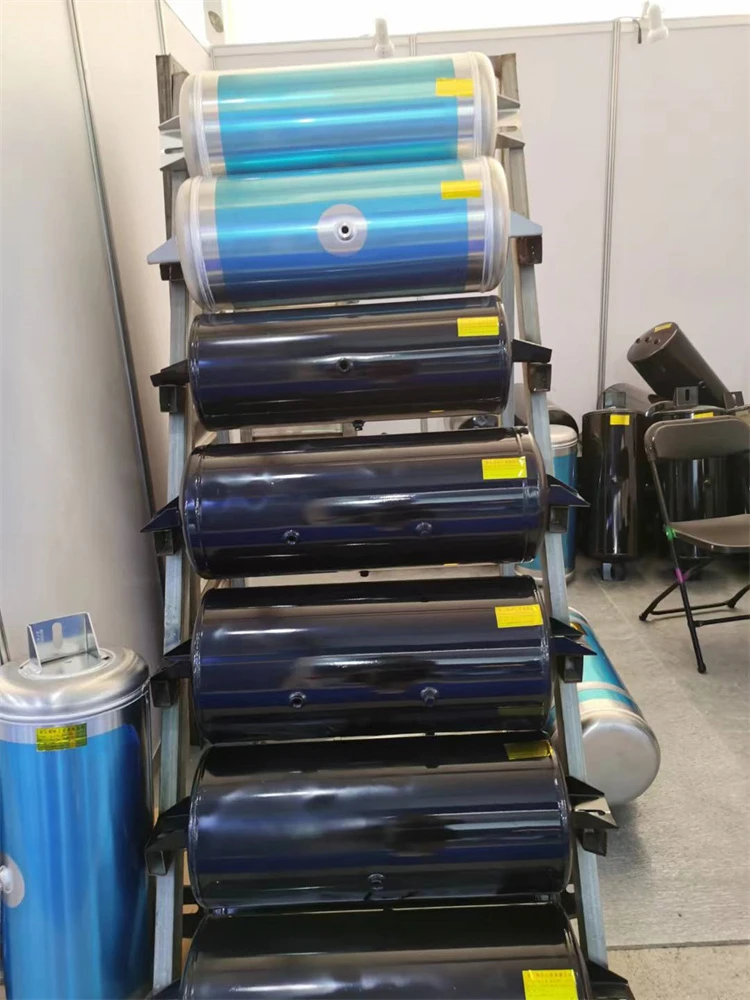
In the trailer industry, built - in iron legs are just one of the many important accessories. Other essential accessories include Air Brake Tanks and Landing Gear. Air brake tanks store compressed air, which is used to operate the trailer's braking system. Landing gear provides additional support when the trailer is parked or being loaded and unloaded.
When installing built - in iron legs, it's important to consider the overall setup of the trailer and ensure that all accessories are installed correctly and work together seamlessly. For example, the positioning of the iron legs should not interfere with the operation of the air brake lines or the landing gear.
Conclusion and Call to Action
In conclusion, while many built - in iron leg installations can be completed with standard hand tools, there are situations where special tools may be necessary. The decision to use special tools depends on factors such as the type of bolts, the complexity of the installation, and the frequency of installations. As a supplier, we are committed to providing our customers with high - quality built - in iron legs and the support they need for a successful installation.
If you're in the market for built - in iron legs or have any questions about their installation, we'd love to hear from you. Whether you're a professional installer or a DIY enthusiast, our team can provide you with the information and guidance you need. Contact us today to discuss your specific requirements and explore how our built - in iron legs can meet your needs.
References
- Industry standards for trailer component installation
- Manufacturer's installation manuals for built - in iron legs
- Technical literature on the use of special tools in heavy - duty component installation


