

A linkage leg injury can indeed have a profound impact on a person's gait. As a supplier of Linkage Leg, I have witnessed firsthand the significance of these components in the mechanical world and can draw parallels to how they affect human movement when damaged.
Understanding the Gait and the Role of Legs
The human gait is a complex and coordinated movement that involves multiple joints, muscles, and nerves working in harmony. Each step is a carefully orchestrated sequence of actions that begins with the heel strike, followed by the foot flat on the ground, the mid - stance, the heel off, and finally the toe - off. This cycle is repeated continuously during walking, running, or any other form of locomotion.
The legs play a central role in this process. They act as the pillars of support, absorbing the impact of each step and providing the necessary propulsion to move forward. The bones, such as the femur, tibia, and fibula, form the structural framework, while the muscles, including the quadriceps, hamstrings, and calf muscles, generate the force required for movement. The joints, like the hip, knee, and ankle, allow for flexibility and smooth articulation.
How a Linkage Leg Injury Disrupts the Gait
When a linkage leg is injured in a mechanical system, it can cause misalignment and inefficiency in the overall operation. Similarly, in the human body, a leg injury can disrupt the normal gait pattern.
Pain and Limited Mobility
One of the most immediate effects of a leg injury is pain. Pain can be a powerful deterrent to normal movement. For example, if a person has a sprained ankle, the pain associated with putting weight on the affected foot can cause them to limp. They may try to avoid bearing full weight on the injured leg, leading to a shorter step length on that side. This alteration in step length can throw off the balance and rhythm of the gait.
Limited mobility is another consequence of a leg injury. A fracture or a severe muscle strain can restrict the range of motion in the affected joint. For instance, a knee injury may limit the flexion and extension of the knee, making it difficult to perform the normal knee movements during the gait cycle. As a result, the person may have to compensate by using other muscles or joints more than usual, which can lead to abnormal wear and tear on those areas over time.
Muscle Imbalance
A leg injury can also cause muscle imbalance. When a particular muscle or group of muscles is injured, they may become weaker. For example, if a person tears their hamstring, the hamstring muscle on the injured side will be significantly weaker than the one on the uninjured side. This imbalance can affect the way the leg moves during the gait cycle. The stronger muscles may over - compensate for the weaker ones, leading to an uneven distribution of force and a distorted gait.
Muscle imbalance can also lead to postural changes. A person may lean to one side or shift their weight in an attempt to relieve pressure on the injured leg. These postural changes can further exacerbate the problem and may cause pain in other parts of the body, such as the lower back or the opposite leg.
Neurological Effects
In some cases, a leg injury can have neurological implications. Nerves in the leg can be damaged during an injury, which can affect the transmission of signals between the brain and the muscles. This can lead to muscle weakness, loss of sensation, or abnormal muscle contractions. For example, if the sciatic nerve is compressed due to a herniated disc in the lower back, it can cause pain, numbness, and weakness in the leg. These neurological symptoms can severely disrupt the normal gait pattern.
Long - Term Consequences of Altered Gait
An altered gait due to a leg injury can have long - term consequences. It can increase the risk of developing other musculoskeletal problems. For example, the abnormal wear and tear on joints caused by an uneven gait can lead to arthritis over time. The increased stress on certain muscles can also result in chronic muscle pain and fatigue.
In addition, an altered gait can affect a person's balance and coordination. This can increase the risk of falls, especially in older adults. Falls can lead to serious injuries, such as fractures, which can further complicate the person's health and mobility.
Similarities in Mechanical and Human Linkage Systems
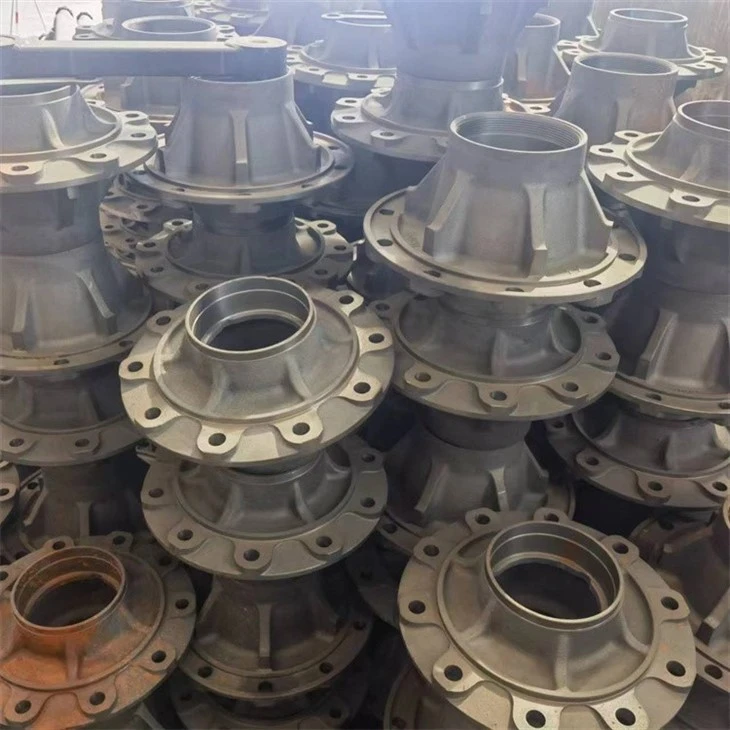
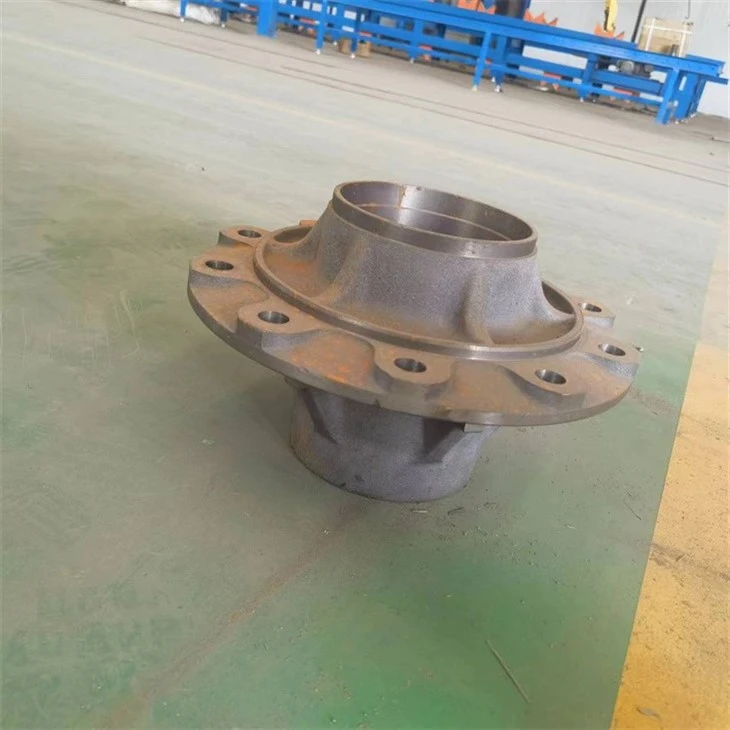
As a supplier of Linkage Leg, I have seen how a damaged linkage leg in a semi - trailer can cause problems in the entire system. Just like in the human body, a mechanical linkage leg is designed to provide support and facilitate movement. When it is damaged, it can cause misalignment, increased friction, and reduced efficiency.
For example, in a semi - trailer, a damaged Semi Trailer 90 Prefabricated Kingpin or Axle Axle Head can affect the stability and movement of the trailer. Similarly, in the human body, a damaged leg component can affect the overall movement and balance.
Rehabilitation and Treatment
Rehabilitation is crucial for restoring a normal gait after a leg injury. Physical therapy is often the cornerstone of rehabilitation. A physical therapist can design a personalized exercise program to strengthen the injured muscles, improve range of motion, and correct any muscle imbalances. They can also provide gait training to help the person regain their normal walking pattern.
In some cases, assistive devices such as crutches, canes, or braces may be necessary to support the injured leg and allow for proper healing. These devices can help reduce the stress on the injured area and prevent further damage.
Importance of Quality Linkage Legs in Mechanical Systems
In the mechanical world, using high - quality linkage legs is essential. Just as a healthy leg is crucial for a normal human gait, a well - functioning linkage leg is vital for the smooth operation of a mechanical system. At our company, we understand the importance of providing reliable and durable Linkage Leg products. Our linkage legs are designed to withstand the rigors of heavy - duty use and are made from high - quality materials to ensure long - term performance.
Contact for Procurement
If you are in the market for high - quality linkage legs, Semi Trailer 90 Prefabricated Kingpin, or Axle Axle Head, we invite you to contact us for procurement and further discussion. We are committed to providing the best products and services to meet your needs.
References
- Gage, J. R. (1991). Normal and pathological gait. Physiotherapy Canada, 43(3), 150 - 157.
- Perry, J. (1992). Gait analysis: Normal and pathological function. Slack Incorporated.
- Sutherland, D. H., Olshen, R. A., Cooper, L., & Woo, S. L. (1980). The development of mature gait. Journal of pediatric orthopedics, 0(5), 561 - 569.


