

Can air suspension be used in snowmobiles? This is a question that has intrigued many snowmobile enthusiasts and industry professionals alike. As an air suspension supplier, I've been closely following the advancements in snowmobile technology and the potential applications of air suspension in this niche. In this blog post, I'll explore the feasibility, benefits, challenges, and future prospects of using air suspension in snowmobiles.
The Basics of Air Suspension
Before delving into its application in snowmobiles, let's briefly understand what air suspension is. Air suspension systems use air springs, also known as airbags, to support the vehicle's weight and provide a smooth ride. These airbags are filled with compressed air, which can be adjusted to change the ride height and stiffness of the suspension. Air suspension is commonly used in trucks, trailers, and high - end cars [1]. For more information about different types of air suspension, you can visit Air Suspension and Air Suspension With Guide Arm.
Current Suspension Systems in Snowmobiles
Snowmobiles typically use traditional spring - based suspension systems. These systems consist of coil springs and shock absorbers that work together to absorb the impact of bumps and uneven terrain. The spring rate is fixed, which means the suspension's stiffness remains constant regardless of the riding conditions or the weight of the rider and cargo. While these systems have served snowmobiles well for many years, they do have some limitations.
Feasibility of Air Suspension in Snowmobiles
The short answer is yes, air suspension can be used in snowmobiles. From a technical perspective, the basic principles of air suspension can be adapted to the unique requirements of snowmobiles. The compact size of modern air springs and the availability of electronic control systems make it possible to integrate air suspension into snowmobile designs.
One of the key advantages of air suspension is its adjustability. Snowmobilers often encounter a variety of terrains, from smooth groomed trails to rough backcountry. With air suspension, riders can adjust the ride height and stiffness of the suspension on the fly, depending on the terrain they are traversing. For example, when riding on a groomed trail, a softer suspension setting can provide a more comfortable ride. On the other hand, when tackling rough terrain, a stiffer setting can improve handling and prevent bottoming out.
Another benefit is the ability to compensate for different rider and cargo weights. Different riders have different body weights, and they may also carry varying amounts of gear. Air suspension can be adjusted to ensure that the snowmobile maintains the optimal ride height and handling characteristics regardless of the load.
Challenges of Implementing Air Suspension in Snowmobiles
While the concept of air suspension in snowmobiles is promising, there are several challenges that need to be addressed.
Cold Weather Performance
Snowmobiles operate in extremely cold temperatures, which can affect the performance of air suspension systems. Cold air is denser, and it can cause the air pressure in the airbags to drop. This could lead to a decrease in ride height and a change in the suspension's stiffness. To overcome this challenge, air suspension systems for snowmobiles would need to be designed with materials and components that can withstand cold temperatures. Specialized insulation and heating elements may also be required to maintain the proper air pressure in the airbags.
Durability
Snowmobiles are subjected to harsh operating conditions, including vibrations, impacts, and exposure to snow, ice, and dirt. Air suspension components need to be highly durable to withstand these conditions. The airbags, in particular, need to be resistant to punctures and abrasions. Additionally, the electronic control systems that regulate the air pressure need to be reliable and protected from moisture and dust.
Cost
Air suspension systems are generally more expensive than traditional spring - based suspension systems. The cost of the air springs, the electronic control unit, and the associated sensors and valves can add a significant amount to the production cost of a snowmobile. This could potentially make snowmobiles with air suspension less affordable for some consumers.
Future Prospects
Despite the challenges, the future of air suspension in snowmobiles looks promising. As technology continues to advance, the cost of air suspension components is likely to decrease, making them more accessible to snowmobile manufacturers. Improvements in materials science and engineering will also lead to more durable and reliable air suspension systems that can withstand the harsh conditions of snowmobiling.
In addition, the demand for high - performance and customizable snowmobiles is growing. Air suspension offers a unique selling point for snowmobile manufacturers, as it allows them to differentiate their products in a competitive market. Riders are increasingly looking for snowmobiles that can provide a more personalized riding experience, and air suspension can deliver on that front.
Lifting Air Suspension: A Special Application
In some cases, a Lifting Air Suspension could be particularly useful for snowmobiles. For example, when a snowmobile gets stuck in deep snow, a lifting air suspension can raise the snowmobile's body, allowing the tracks to gain better traction. This could be a game - changer for backcountry snowmobilers who often encounter challenging snow conditions.
Conclusion
In conclusion, air suspension has the potential to revolutionize the snowmobile industry. While there are challenges to overcome, the benefits of adjustability, improved handling, and a more personalized riding experience make it an attractive option for snowmobile manufacturers and riders alike. As an air suspension supplier, we are committed to working with snowmobile manufacturers to develop innovative air suspension solutions that meet the unique needs of this industry.
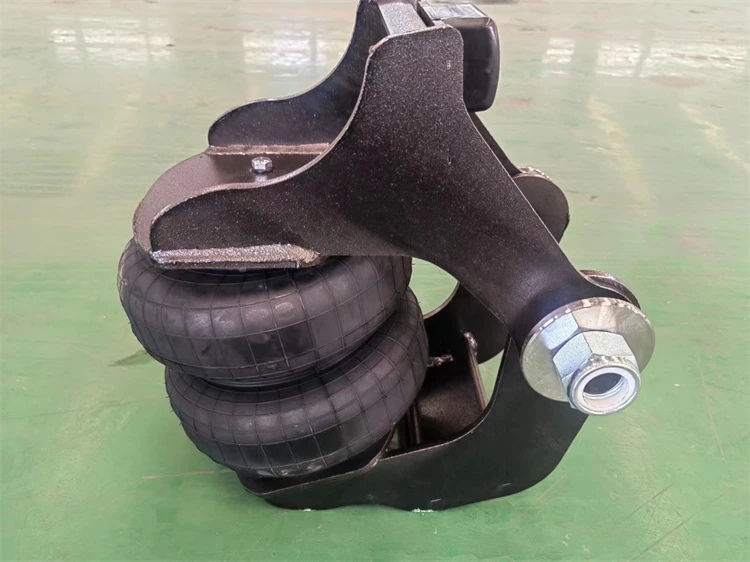
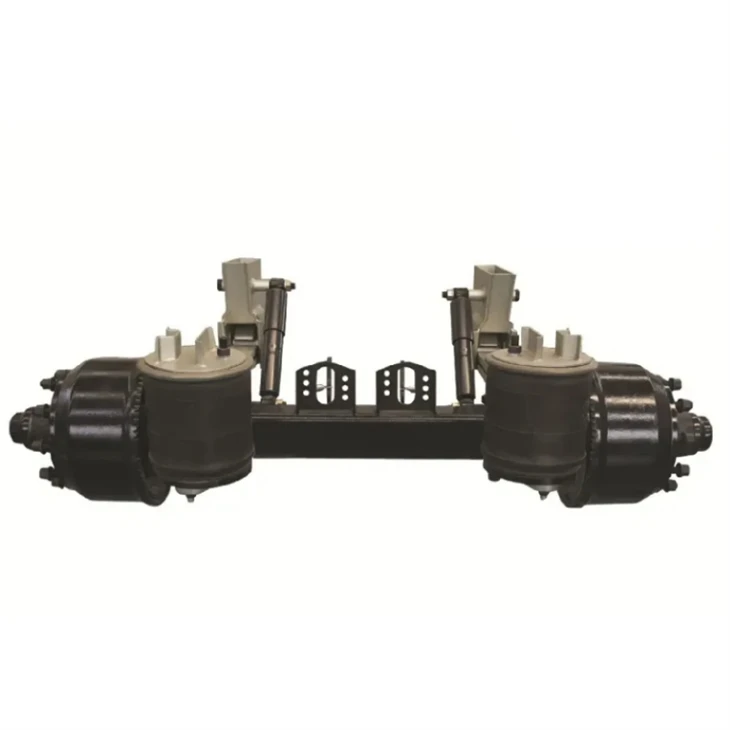
If you are a snowmobile manufacturer or an enthusiast interested in exploring the possibilities of air suspension for snowmobiles, we invite you to contact us for a detailed discussion. Our team of experts can provide you with more information about our products and how they can be customized to fit your specific requirements. Let's work together to take snowmobiling to the next level.
References
[1] Gillespie, T. D. (1992). Fundamentals of Vehicle Dynamics. Society of Automotive Engineers.


