

Can air brake tanks be reused?
As a supplier of air brake tanks, I often encounter questions from customers regarding the reusability of these crucial components. Air brake tanks play a vital role in the braking systems of various vehicles, including trucks, trailers, and buses. They store compressed air, which is used to actuate the brakes when needed. The question of whether air brake tanks can be reused is not a simple one and involves several factors that need to be carefully considered.
Understanding the Function and Importance of Air Brake Tanks
Before delving into the reusability aspect, it's essential to understand the function and importance of air brake tanks. In an air brake system, the compressor pumps air into the air brake tanks. These tanks act as a reservoir, storing the compressed air at a specific pressure. When the driver applies the brakes, the air from the tanks is released to the brake chambers, which then apply pressure to the brake shoes or pads, causing the vehicle to slow down or stop.
The reliability of air brake tanks is crucial for the safety of the vehicle and its occupants. Any failure in the air brake system can lead to serious accidents, making it imperative to ensure that all components, including the air brake tanks, are in proper working condition.
Factors Affecting the Reusability of Air Brake Tanks
There are several factors that determine whether an air brake tank can be reused. These factors include the tank's age, condition, usage history, and compliance with safety standards.
Age of the Tank
The age of an air brake tank is an important consideration. Over time, the metal in the tank can deteriorate due to corrosion, fatigue, and other factors. As a general rule, older tanks are more likely to have internal and external damage, which can compromise their structural integrity. If a tank is approaching or has exceeded its recommended service life, it may not be safe to reuse it.
Condition of the Tank
The physical condition of the tank is perhaps the most critical factor in determining its reusability. A thorough inspection of the tank is necessary to identify any signs of damage, such as cracks, dents, rust, or corrosion. Cracks, in particular, are a serious concern as they can lead to air leaks or even tank failure. Dents can also weaken the tank's structure, especially if they are deep or located in critical areas. Rust and corrosion can eat away at the metal, reducing its thickness and strength.
Internal corrosion is often more difficult to detect than external corrosion. It can occur due to the presence of moisture in the compressed air, which can accumulate inside the tank over time. To check for internal corrosion, the tank may need to be opened and inspected visually or using non - destructive testing methods, such as ultrasonic testing.

Usage History
The usage history of the air brake tank can also impact its reusability. Tanks that have been subjected to extreme conditions, such as high - pressure operation, frequent cycling, or exposure to harsh environments, are more likely to have experienced wear and tear. For example, a tank used in a heavy - duty truck that operates in a mining or construction environment may have been exposed to more dust, moisture, and vibration than a tank used in a light - duty vehicle on a regular highway route.
Compliance with Safety Standards
Air brake tanks must comply with various safety standards and regulations. These standards specify the design, construction, and testing requirements for air brake tanks to ensure their safety and reliability. If a tank does not meet the relevant safety standards, it cannot be reused. In some cases, even if a tank appears to be in good condition, it may still need to be replaced if it does not comply with the latest safety regulations.
Reusing Air Brake Tanks: A Step - by - Step Process
If after a thorough evaluation, it is determined that an air brake tank can be reused, the following steps should be taken to ensure its proper functioning:
Cleaning
The first step is to clean the air brake tank thoroughly. This involves removing any dirt, debris, rust, or moisture from the inside and outside of the tank. The tank can be cleaned using a suitable cleaning agent and a high - pressure water jet. Internal cleaning may require the use of brushes or other specialized tools to reach all areas of the tank.
Inspection and Testing
After cleaning, the tank should be inspected again to ensure that all damage has been removed or repaired. Non - destructive testing methods, such as ultrasonic testing or magnetic particle testing, can be used to detect any hidden cracks or defects. The tank should also be pressure - tested to ensure that it can hold the required pressure without leaking.
Repair and Refurbishment
If any damage is found during the inspection, it should be repaired immediately. Minor dents can be repaired by straightening the metal, while cracks may require welding or other repair techniques. However, it's important to note that not all damage can be repaired, and in some cases, the tank may need to be replaced.
Once the repairs are completed, the tank may need to be refurbished. This can include painting the tank to prevent further corrosion and applying a protective coating to the inside of the tank to prevent moisture buildup.
The Role of Air Brake Tanks in Different Vehicle Components
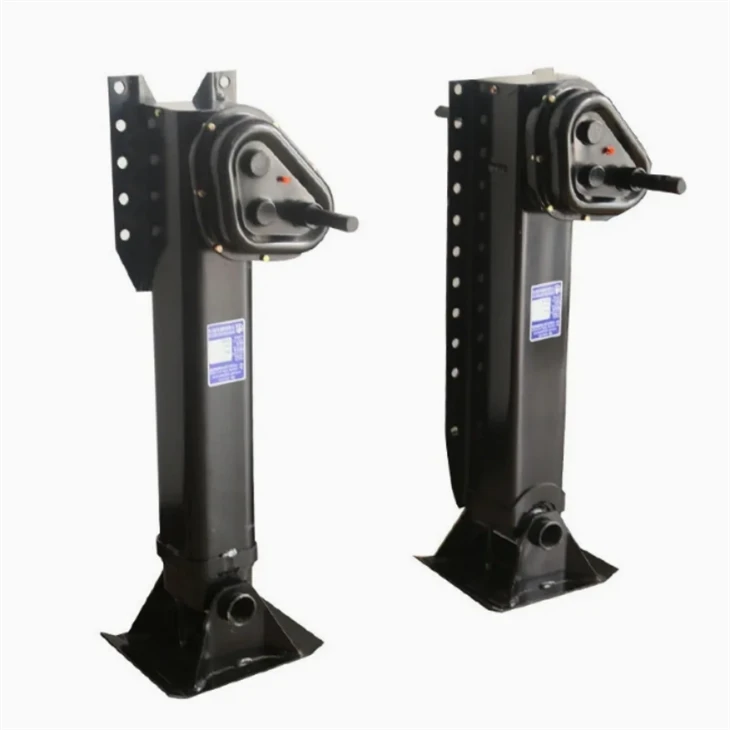
Air brake tanks are an integral part of the overall braking system, but they also interact with other vehicle components. For example, they are connected to the Landing Gear, Linkage Leg, and Axle Axle Head. The proper functioning of the air brake tanks is essential for the smooth operation of these components. If an air brake tank fails, it can affect the performance of the landing gear, linkage leg, or axle axle head, leading to safety issues.
Conclusion
In conclusion, the reusability of air brake tanks depends on several factors, including age, condition, usage history, and compliance with safety standards. While it is possible to reuse air brake tanks in some cases, a thorough inspection, cleaning, testing, and repair process is necessary to ensure their safety and reliability. As a supplier of air brake tanks, I always recommend that customers consult with a qualified professional before deciding whether to reuse an air brake tank.
If you are in the market for high - quality air brake tanks or need more information about their reusability, please feel free to contact us for a detailed discussion and to explore your purchasing options. Our team of experts is ready to assist you in making the right decision for your specific needs.
References
- Federal Motor Carrier Safety Administration (FMCSA). "Air Brake Systems." FMCSA Regulations and Guidance.
- Society of Automotive Engineers (SAE). "Standards for Air Brake Tanks." SAE Technical Standards.
- American Society of Mechanical Engineers (ASME). "Pressure Vessel Codes Related to Air Brake Tanks." ASME Boiler and Pressure Vessel Code.


