

Hey there, folks! As an air suspension supplier, I often get asked about the difference between active and passive air suspension. Well, today I'm gonna break it down for you in a way that's easy to understand.
Let's start with passive air suspension. It's like the basic, no - frills version. Passive air suspension systems use air springs to support the vehicle's weight. These air springs are essentially rubber bellows filled with compressed air. The pressure in these air springs is set based on the vehicle's load requirements and typical operating conditions.
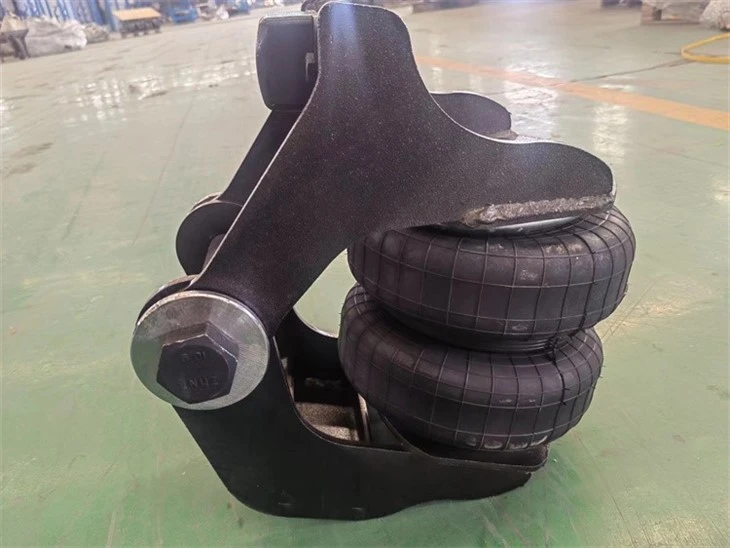
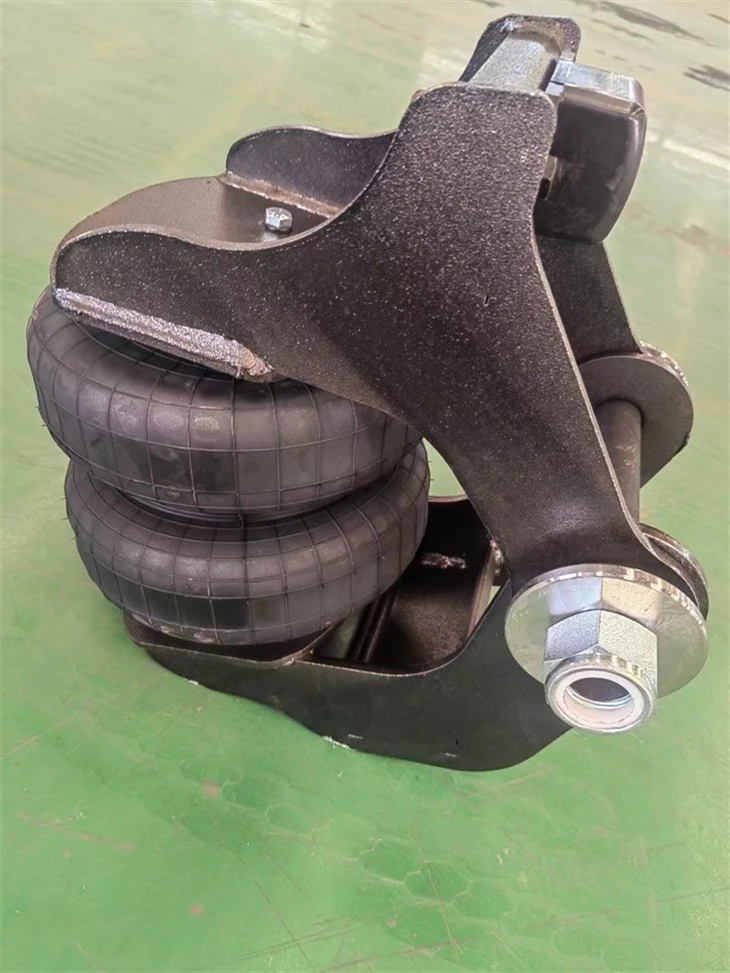
One of the main advantages of passive air suspension is its simplicity. There aren't a whole bunch of complex sensors and control systems involved. This means it's generally more reliable and easier to maintain. If you've got a vehicle that operates under relatively consistent conditions, like a regular delivery truck that always carries about the same amount of weight, passive air suspension can be a great choice. It provides a smoother ride compared to traditional steel spring suspensions because the air springs can absorb shocks better.
However, passive air suspension does have its limitations. Since the air pressure in the springs is pre - set, it can't adjust in real - time to changes in the road surface or the vehicle's load. For example, if you're driving on a bumpy road and suddenly hit a big pothole, the passive air suspension will respond based on its pre - set pressure, and you might still feel a jolt. Also, if you load up your vehicle more than usual, the suspension won't automatically adjust to the new weight, which can affect the handling and ride quality.
Now, let's talk about active air suspension. This is the high - tech cousin of passive air suspension. Active air suspension systems use a network of sensors, valves, and a control unit to constantly monitor and adjust the air pressure in the air springs. These sensors can detect things like the vehicle's speed, the road surface conditions, and the load distribution.
The biggest advantage of active air suspension is its ability to adapt in real - time. If you're driving on a smooth highway, the system can lower the vehicle's ride height to reduce aerodynamic drag and improve fuel efficiency. When you hit a rough patch of road, it can quickly increase the air pressure in the springs to provide a more comfortable ride. It can also adjust the suspension based on the vehicle's cornering, braking, and acceleration, which improves handling and stability.
For example, in a luxury car with active air suspension, you can feel the difference when you take a sharp turn. The system will stiffen the suspension on the outer side of the turn to reduce body roll, giving you a more confident and stable driving experience. And if you're towing a heavy trailer, the active air suspension can adjust to the additional weight, ensuring that the vehicle remains level and drives smoothly.
But active air suspension isn't all sunshine and rainbows. It's more complex and expensive than passive air suspension. The sensors, valves, and control unit need to be maintained and calibrated regularly. If something goes wrong with the system, it can be a hassle to diagnose and fix. Also, because of its complexity, it's more likely to experience technical glitches compared to a passive system.
In different applications, the choice between active and passive air suspension can vary. For heavy - duty trucks and trailers, passive air suspension is often used because of its reliability and cost - effectiveness. However, if you're dealing with high - end vehicles, such as luxury cars, sports cars, or high - performance SUVs, active air suspension is more common because of its ability to provide a superior driving experience.
At our company, we offer a wide range of air suspension products to meet different needs. Whether you're looking for a passive system for your work truck or an active system for a high - end vehicle, we've got you covered. We have Heavy Machinery Suspension which is designed to handle the tough conditions of heavy - duty applications. Our Lifting Air Suspension is great for trailers that need to adjust their height for loading and unloading. And our Air Suspension With Guide Arm provides excellent stability and control.
If you're in the market for air suspension products and want to learn more about which type is right for you, we'd love to have a chat. Our team of experts can help you understand the pros and cons of each system and make an informed decision. Whether you're a vehicle manufacturer, a fleet operator, or an individual looking to upgrade your vehicle's suspension, we're here to assist you.
So, don't hesitate to reach out to us for more information or to start a procurement discussion. We're committed to providing high - quality air suspension solutions that meet your specific requirements.
References
- SAE International - Various technical papers on vehicle suspension systems
- Automotive Engineering textbooks on suspension design and technology


