

Can air suspension be adjusted while driving? This is a question that many vehicle owners and operators often ask, especially those in the transportation industry. As an air suspension supplier, we have in - depth knowledge of this technology and are here to provide a comprehensive answer.
Understanding Air Suspension
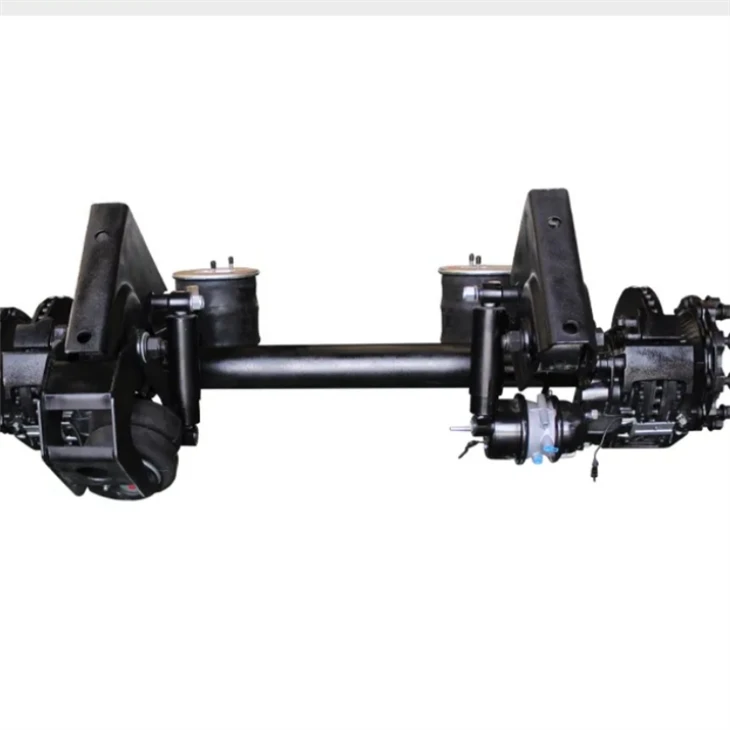
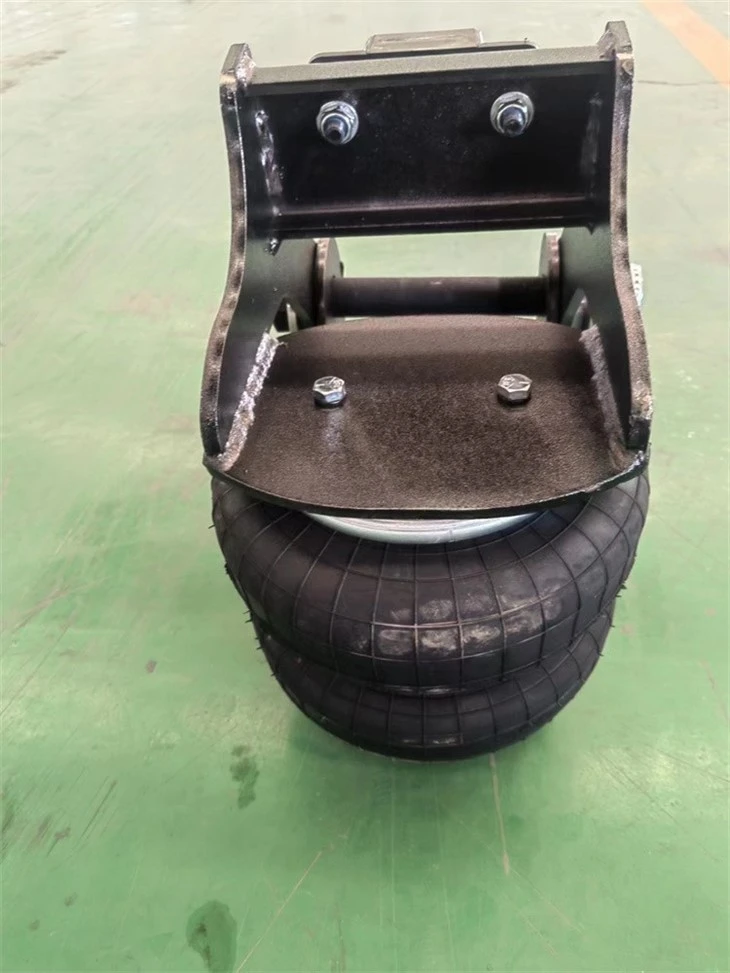
First, let's briefly introduce air suspension. Air suspension is a type of vehicle suspension system that uses air springs instead of traditional steel springs. These air springs are essentially rubber bellows filled with compressed air. The air pressure in these bellows can be adjusted to change the height and stiffness of the suspension.
There are different types of air suspensions available in the market. For instance, Air Suspension is widely used in semi - trailers. It offers better load - carrying capacity and ride comfort compared to conventional suspension systems. Another type is the Lifting Air Suspension, which can lift the axles of a vehicle, useful for reducing tire wear when some axles are not needed to carry a load. And Air Suspension With Guide Arm provides enhanced stability and control during vehicle operation.
Adjustability of Air Suspension While Driving
The short answer is yes, air suspension can be adjusted while driving, but there are several factors to consider.
Technological Feasibility
Modern air suspension systems are equipped with advanced control systems that allow for real - time adjustment of the air pressure in the air springs. These control systems can be either manually operated by the driver or automatically controlled based on pre - set parameters.
For manual adjustment, the driver can use a control panel inside the vehicle to increase or decrease the air pressure in the air springs. This is useful in situations where the driver needs to quickly adapt to different road conditions or load requirements. For example, if the vehicle is about to enter a rough road, the driver can increase the air pressure to raise the vehicle's height and improve ground clearance.
On the other hand, automatic adjustment systems use sensors to monitor various parameters such as vehicle speed, load, and road conditions. Based on the data collected by these sensors, the control system can adjust the air pressure in the air springs accordingly. For instance, when the vehicle is accelerating, the system may lower the front end of the vehicle to reduce aerodynamic drag and improve stability.
Safety Considerations
While it is technically possible to adjust air suspension while driving, safety is of utmost importance. Adjusting the suspension while driving can have a significant impact on the vehicle's handling and stability. For example, if the air pressure is adjusted too suddenly or to an inappropriate level, it can cause the vehicle to become unstable, leading to a loss of control.
Therefore, most air suspension systems are designed with safety features to prevent dangerous adjustments. These features may include limits on the rate of pressure change and warnings to the driver if an adjustment is likely to be unsafe. Drivers should also be trained on how to use the air suspension adjustment system properly to ensure safe operation.
Legal Regulations
In addition to safety considerations, there may also be legal regulations regarding the adjustment of air suspension while driving. Different countries and regions have different laws regarding vehicle modifications and operation. Some areas may restrict or even prohibit the adjustment of air suspension while the vehicle is in motion. Vehicle owners and operators should familiarize themselves with the local laws and regulations to avoid any legal issues.
Benefits of Adjusting Air Suspension While Driving
There are several benefits to being able to adjust air suspension while driving.
Improved Ride Comfort
By adjusting the air suspension according to the road conditions, the vehicle can provide a smoother ride. For example, on a bumpy road, increasing the air pressure can make the suspension stiffer, reducing the impact of the bumps on the vehicle and its occupants. On a smooth highway, lowering the vehicle's height can improve stability and reduce wind noise, enhancing the overall comfort of the ride.
Enhanced Load - Carrying Capacity
Adjusting the air suspension while driving can also optimize the vehicle's load - carrying capacity. When the vehicle is carrying a heavy load, the air pressure in the air springs can be increased to support the additional weight. This ensures that the vehicle remains stable and safe to drive, even under heavy - load conditions.
Fuel Efficiency
Proper adjustment of the air suspension can also improve fuel efficiency. Lowering the vehicle's height can reduce aerodynamic drag, which in turn reduces the amount of energy required to move the vehicle forward. This can result in significant fuel savings, especially for long - distance transportation.
Challenges and Limitations
However, there are also some challenges and limitations associated with adjusting air suspension while driving.
System Complexity
Modern air suspension systems are complex and require regular maintenance. The control systems, sensors, and air compressors need to be in good working condition for the adjustment to function properly. Any malfunction in these components can lead to inaccurate adjustments or even system failure.
Cost
The cost of installing and maintaining an air suspension system that allows for in - driving adjustment is relatively high. The initial investment in the system itself is significant, and the cost of maintenance and repair can also add up over time. This may be a deterrent for some vehicle owners and operators, especially those on a tight budget.
Conclusion
In conclusion, air suspension can be adjusted while driving, offering several benefits such as improved ride comfort, enhanced load - carrying capacity, and better fuel efficiency. However, it is essential to consider safety, legal regulations, and the associated challenges and limitations.
As an air suspension supplier, we are committed to providing high - quality air suspension systems that are both safe and reliable. Our products are designed to meet the diverse needs of our customers, whether they are looking for improved performance, comfort, or efficiency.
If you are interested in our air suspension products or have any questions about air suspension adjustment while driving, we encourage you to contact us for further discussion. Our team of experts is ready to assist you in finding the best solution for your vehicle.
References
- SAE International - Journal of Automotive Engineering
- Society of Automotive Engineers (SAE) Technical Papers
- Vehicle Dynamics: Theory and Application by Thomas D. Gillespie


