

Hey there, trailer owners! I'm here as a supplier of trailer axles, and I often get asked, "Can I replace a trailer axle myself?" It's a valid question, and in this blog, I'll break it down for you.
The DIY Appeal
Let's start with why you might want to replace a trailer axle on your own. First off, it can save you some serious cash. Labor costs at a repair shop can add up quickly, and if you're handy with tools and have a bit of mechanical know - how, doing it yourself seems like a no - brainer. It also gives you a sense of accomplishment. There's nothing quite like looking at a job you've completed and knowing you did it all by yourself.
But before you rush out to grab your tools, there are a few things you need to consider.
What You Need to Know
Replacing a trailer axle isn't a walk in the park. It requires a good understanding of your trailer's structure and the axle system. You need to know the correct axle size and weight capacity for your trailer. Using the wrong axle can lead to serious problems, like uneven weight distribution, which can cause tire wear and affect the trailer's handling.

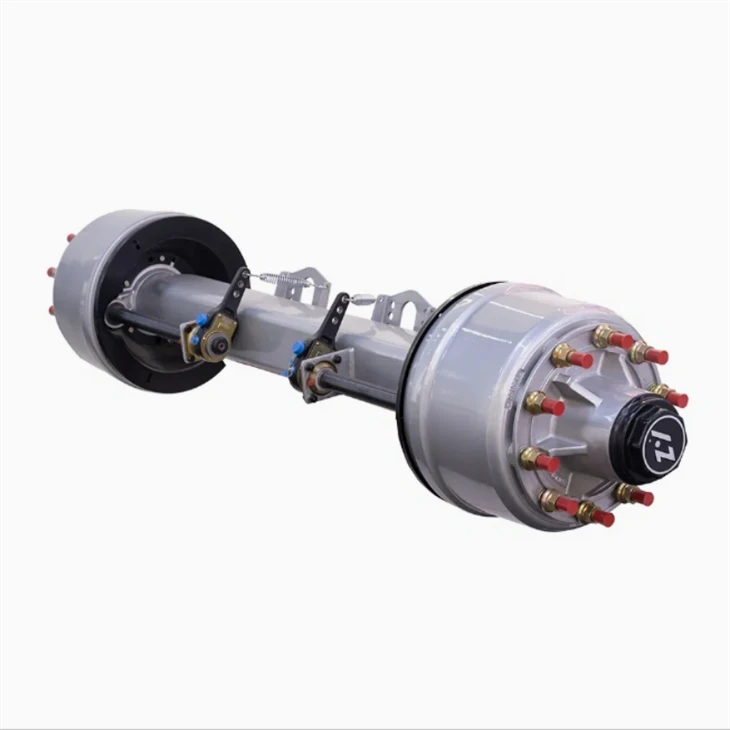
When it comes to choosing the right axle, we offer a great range. For example, our 10T Lightweight Axle is perfect for those who need a high - capacity axle without the extra bulk. It's designed to be durable and efficient, making it a popular choice among trailer owners.
Tools and Equipment
If you're going to replace a trailer axle yourself, you'll need the right tools. Here's a basic list:
- Jacks: You'll need a couple of good quality jacks to lift the trailer safely. Make sure they can handle the weight of your trailer.
- Wrenches: A set of wrenches is essential for removing and installing nuts and bolts.
- Measuring tools: You'll need to measure the axle to ensure you get the right replacement. A tape measure and a caliper can come in handy.
- Torque wrench: This is important for tightening the bolts to the correct torque specification. Over - or under - tightening can cause problems.
The Replacement Process
Now, let's talk about the actual replacement process. It's a multi - step process, and you need to take your time.
- Safety First: Park your trailer on a flat, stable surface. Engage the parking brake and use wheel chocks to prevent the trailer from rolling.
- Remove the Wheels: Use your wrenches to remove the lug nuts and take off the wheels. Set them aside in a safe place.
- Lift the Trailer: Use your jacks to lift the trailer until the axle is off the ground. Make sure the trailer is stable before you start working.
- Remove the Old Axle: There are usually bolts or U - bolts holding the axle in place. Use your wrenches to remove these and carefully take out the old axle.
- Install the New Axle: Place the new axle in position and secure it with the bolts or U - bolts. Make sure it's aligned correctly.
- Reinstall the Wheels: Put the wheels back on and tighten the lug nuts. Use your torque wrench to ensure they're tightened to the correct specification.
- Lower the Trailer: Slowly lower the trailer using the jacks until it's back on the ground.
Potential Challenges
Even if you're experienced, you might run into some challenges. For example, rusted bolts can be a real pain to remove. You might need to use a rust penetrant and a lot of elbow grease. Also, getting the axle aligned correctly can be tricky. If it's not aligned properly, it can cause problems with the trailer's steering and tire wear.
When to Call a Professional
There are times when it's best to leave the job to the pros. If you're not confident in your abilities, or if you encounter serious problems during the replacement process, it's better to call a professional. For example, if the trailer has a complex suspension system or if you're not sure about the axle's compatibility, a professional mechanic can ensure the job is done right.
Our Other Axle Options
In addition to the 10T Lightweight Axle, we also have the German Style Axle. This axle is known for its high - quality construction and excellent performance. It's a great choice for those who want a reliable and long - lasting axle for their trailer.
We also offer the Lowbed Series Axle, which is specifically designed for lowbed trailers. These axles are built to handle heavy loads and provide a smooth ride.
Conclusion
So, can you replace a trailer axle yourself? The answer is yes, but it's not without its challenges. You need to have the right tools, knowledge, and skills. If you're up for the challenge, go ahead and give it a try. But if you're not sure, it's always better to be safe and call a professional.
If you're in the market for a new trailer axle, we've got you covered. We offer a wide range of high - quality axles at competitive prices. Whether you need a lightweight axle or a heavy - duty one, we have the perfect solution for your trailer.
If you're interested in our products or have any questions, don't hesitate to reach out. We're here to help you find the right axle for your needs and can assist you with any technical questions you might have. Let's start a conversation about your trailer axle requirements and get you on the road to a smoother, safer ride.
References
- Trailer Axle Installation Manuals
- Industry Standards for Trailer Axles
- Personal Experience as a Trailer Axle Supplier


