

What is the Maximum Height of Built-in Aluminum Legs Available?
As a supplier of built-in aluminum legs, I often receive inquiries about the maximum height of these products. In this blog post, I'll delve into this topic, exploring the factors that influence the maximum height, the typical available heights in the market, and how these built-in aluminum legs can be a valuable addition to various applications.
Factors Influencing the Maximum Height of Built-in Aluminum Legs
Several factors come into play when determining the maximum height of built-in aluminum legs. The first and perhaps most crucial factor is the strength and durability of the aluminum material used. Aluminum alloys vary in their mechanical properties, such as tensile strength and yield strength. Higher-quality alloys can withstand greater loads and stresses, allowing for taller legs. For instance, some advanced aluminum alloys have been engineered to have excellent strength-to-weight ratios, which are ideal for applications where height is a priority.
Another factor is the design of the leg structure. A well-designed leg with a proper cross-sectional shape and reinforcement can support more weight and reach greater heights. For example, legs with a tubular design may offer better stability compared to solid rods, especially at taller heights. The internal bracing and reinforcement within the leg also contribute to its overall strength and ability to reach higher elevations.
The intended application of the built-in aluminum legs also plays a significant role. If the legs are used in a static environment where they only need to support a fixed load, they may be able to reach greater heights compared to those used in a dynamic or vibrating environment. In a dynamic setting, additional forces such as vibrations and shocks need to be considered, which may limit the maximum height to ensure safety and reliability.
Typical Available Heights in the Market
In the market, the maximum height of built-in aluminum legs can vary widely depending on the manufacturer and the specific product line. Generally, most standard built-in aluminum legs can reach heights ranging from a few feet to around 10 feet. However, for specialized applications, some manufacturers offer legs that can reach up to 20 feet or more.
For example, in the construction industry, built-in aluminum legs are often used for scaffolding and temporary support structures. These legs typically have a maximum height of around 10 - 15 feet, which is sufficient for most small to medium-sized construction projects. In the aerospace industry, where lightweight and high-strength materials are crucial, built-in aluminum legs can be found in Landing Gear systems. These legs are designed to withstand high loads during takeoff and landing and can reach relatively high heights to ensure proper clearance and stability.
In the transportation industry, built-in aluminum legs are used in trailers and other vehicles for support and leveling. The maximum height of these legs usually depends on the size and design of the trailer. For smaller trailers, the legs may have a maximum height of around 3 - 5 feet, while larger trailers may require legs that can reach up to 8 - 10 feet.
Advantages of Built-in Aluminum Legs at Different Heights
Built-in aluminum legs offer several advantages at different heights. One of the main advantages is their lightweight nature. Aluminum is significantly lighter than steel, which makes it easier to handle and install, especially at greater heights. This reduces the overall weight of the structure or equipment, which can lead to improved fuel efficiency in transportation applications and easier maneuverability in construction and other industries.
Another advantage is the corrosion resistance of aluminum. Unlike steel, aluminum does not rust, which means that built-in aluminum legs can last longer, even in harsh environments. This is particularly important for legs used in outdoor applications or in areas where they may be exposed to moisture and chemicals.
At higher heights, built-in aluminum legs can provide a stable and reliable support system. Their strength and durability, combined with their lightweight design, make them an ideal choice for applications where height is a requirement. For example, in a multi-story building construction project, aluminum legs can be used to support temporary platforms and structures at various levels, ensuring the safety of workers and the integrity of the construction site.
Applications of Built-in Aluminum Legs at Maximum Heights
There are numerous applications where built-in aluminum legs at their maximum height can be utilized. In the entertainment industry, they are used in stage setups and lighting rigs. These legs can be adjusted to different heights to create the desired visual effects and ensure proper illumination. For large-scale concerts and events, built-in aluminum legs can reach heights of up to 20 feet or more to support heavy lighting fixtures and audio equipment.
In the agricultural industry, built-in aluminum legs are used in irrigation systems and crop support structures. At their maximum height, they can provide support for large irrigation pipes and help ensure proper water distribution across the fields. They can also be used to support trellises for climbing plants, allowing them to grow vertically and maximize the use of available space.
In the automotive industry, built-in aluminum legs are used in vehicle lifts and maintenance equipment. At their maximum height, they can raise vehicles off the ground for repairs and inspections, providing easy access to the undercarriage. These legs are designed to be strong and stable, ensuring the safety of mechanics and the vehicle during the maintenance process.
Considerations When Choosing Built-in Aluminum Legs for Maximum Height
When choosing built-in aluminum legs for maximum height applications, there are several considerations to keep in mind. First, it's important to ensure that the legs are rated for the specific load and application. This includes considering the weight of the structure or equipment that the legs will be supporting, as well as any additional forces such as wind, vibrations, and shocks.
The quality of the aluminum material and the manufacturing process are also crucial. Look for legs that are made from high-quality aluminum alloys and have been manufactured using advanced techniques to ensure their strength and durability. It's also a good idea to choose legs from a reputable manufacturer with a proven track record in the industry.
Another consideration is the ease of installation and adjustment. Built-in aluminum legs should be easy to install and adjust to the desired height. Some legs come with adjustable features such as telescopic sections or hydraulic systems, which make it easier to achieve the maximum height and ensure proper alignment.
Conclusion
In conclusion, the maximum height of built-in aluminum legs available can vary depending on several factors, including the material, design, and intended application. While most standard legs can reach heights of up to 10 feet, specialized legs can reach up to 20 feet or more. Built-in aluminum legs offer numerous advantages, such as lightweight design, corrosion resistance, and stability, making them an ideal choice for a wide range of applications at different heights.

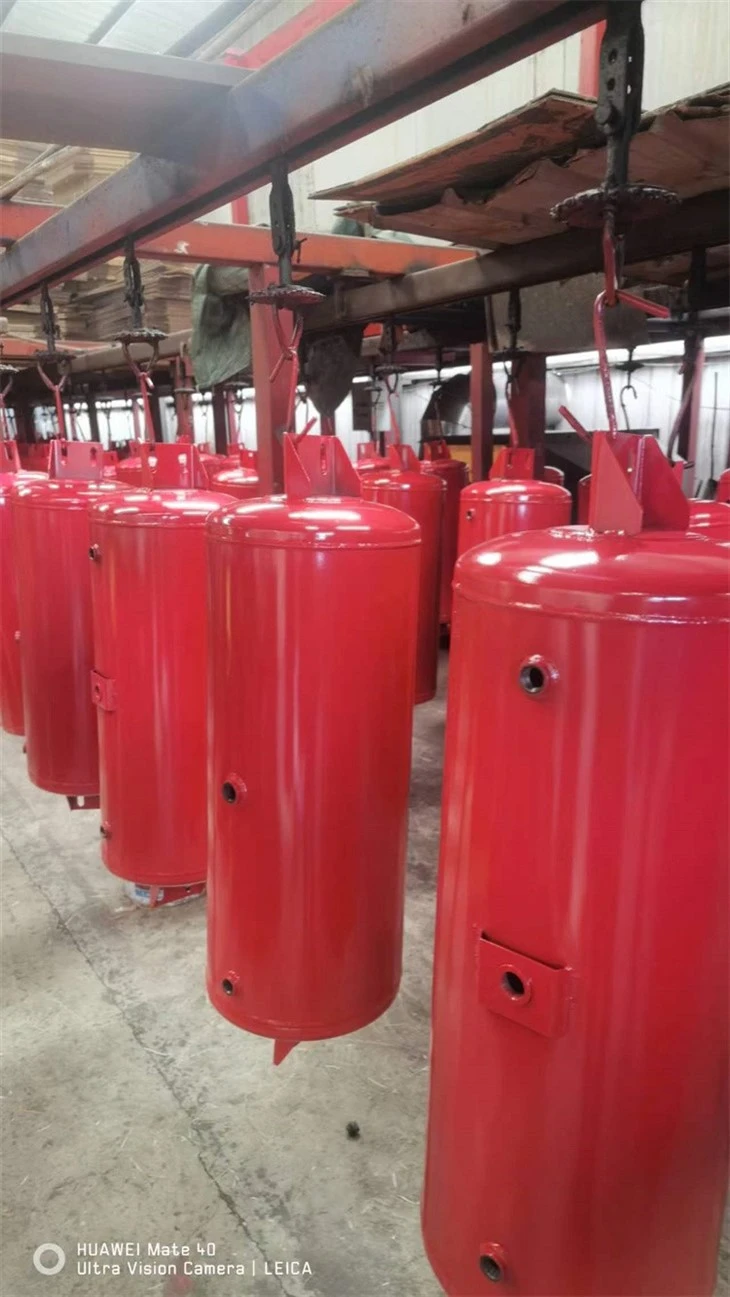
If you're in the market for built-in aluminum legs, whether for a construction project, an entertainment setup, or any other application, I encourage you to reach out to us. Our team of experts can help you choose the right legs for your specific needs and ensure that you get the maximum height and performance from your investment. We also offer a wide range of related products, such as Air Brake Tanks and Axle Brake Pads, to meet all your trailer and equipment needs. Contact us today to start a discussion about your requirements and explore the possibilities of using our built-in aluminum legs.
References
- Aluminum Association. (2023). Aluminum Design Manual.
- Construction Industry Institute. (2022). Best Practices for Temporary Support Structures.
- Aerospace Industries Association. (2023). Standards for Landing Gear Systems.


