

As a seasoned supplier of lifting air suspension systems, I've often been asked the question: Does lifting air suspension improve the vehicle's traction? This is a topic that combines both engineering principles and practical applications, and it's crucial for anyone involved in the transportation and automotive industries to understand.
Understanding Lifting Air Suspension
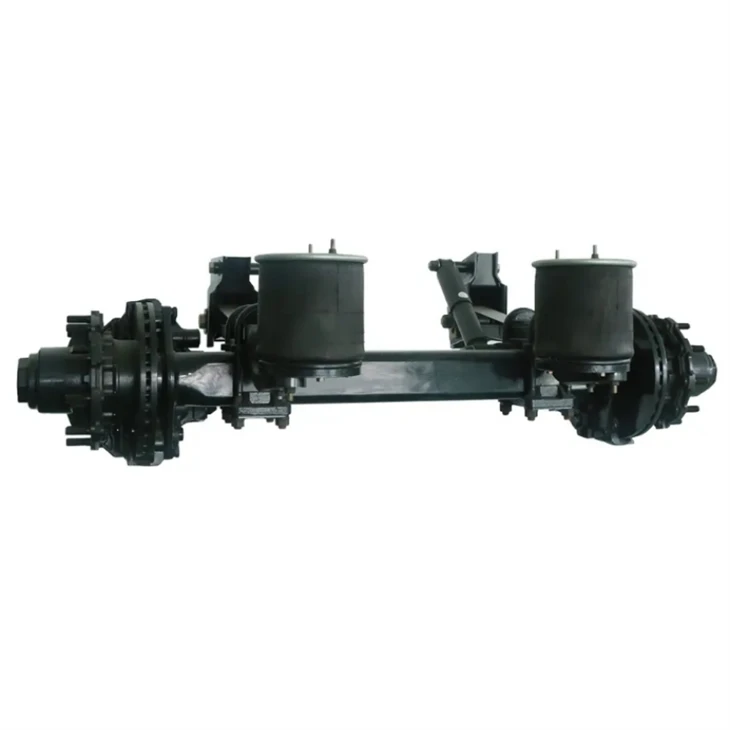
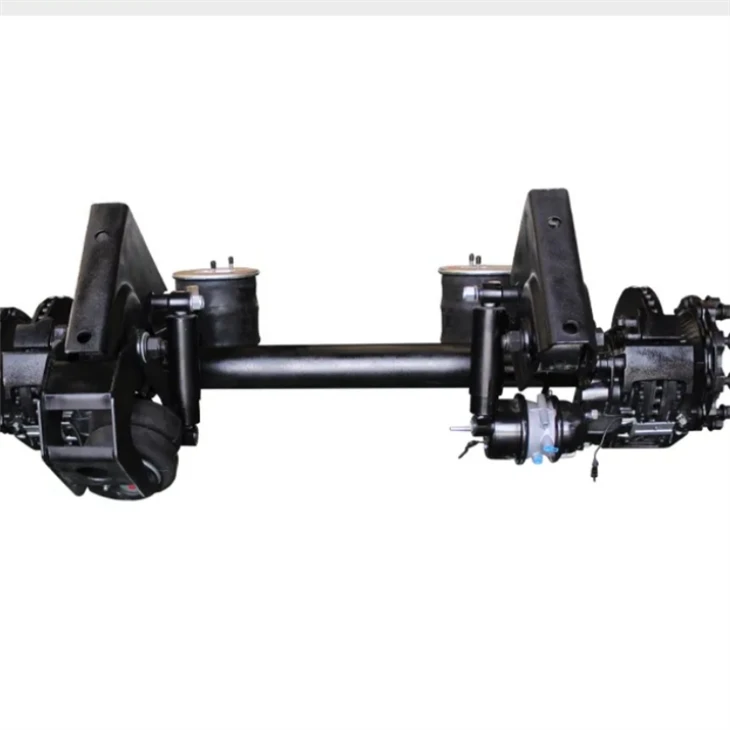
Before delving into the relationship between lifting air suspension and traction, let's first understand what lifting air suspension is. Lifting air suspension is a type of Air Suspension system that allows for the adjustment of the vehicle's ride height. It uses air springs, which are essentially rubber bellows filled with compressed air, to support the vehicle's weight. The key feature of a Lifting Air Suspension is its ability to raise or lower the vehicle, which can be particularly useful in various situations.
One of the main advantages of lifting air suspension is its adaptability. For example, when a vehicle is carrying a heavy load, the air suspension can be adjusted to maintain a proper ride height, ensuring that the vehicle remains level and stable. This is in contrast to traditional steel spring suspensions, which may sag under heavy loads, leading to uneven tire wear and potentially affecting the vehicle's handling.
The Concept of Traction
Traction is the frictional force between a vehicle's tires and the road surface. It is what allows the vehicle to move forward, stop, and turn safely. Good traction is essential for vehicle safety and performance, especially in adverse weather conditions such as rain, snow, or ice.
Several factors affect traction, including the type of tires, the condition of the road surface, and the weight distribution of the vehicle. Tires with a deeper tread pattern and a softer rubber compound generally provide better traction, as they can grip the road surface more effectively. Similarly, a clean and dry road surface offers more traction than a wet or icy one.
How Lifting Air Suspension Can Affect Traction
Now, let's explore how lifting air suspension can impact a vehicle's traction. One of the primary ways is through weight distribution. When a vehicle is equipped with a lifting air suspension, the system can adjust the ride height and, consequently, the weight distribution across the tires.
When the air suspension is adjusted to lift the vehicle, it can change the angle of the tires in relation to the road surface. In some cases, this can increase the contact area between the tires and the road, improving traction. For example, if a vehicle is carrying a heavy load on one side, the air suspension can be adjusted to level the vehicle, ensuring that all tires have an equal amount of contact with the road. This can prevent uneven tire wear and improve the overall traction of the vehicle.
Another way lifting air suspension can affect traction is by providing a more stable ride. As mentioned earlier, a stable ride height is crucial for maintaining proper tire contact with the road. When a vehicle is equipped with a lifting air suspension, it can better adapt to changes in load and road conditions, ensuring that the tires remain in optimal contact with the road surface at all times.
However, it's important to note that lifting the vehicle too high can have a negative impact on traction. When the vehicle is lifted significantly, the center of gravity is raised, which can make the vehicle more prone to tipping over, especially during sharp turns or sudden maneuvers. Additionally, a higher ride height can reduce the contact area between the tires and the road, potentially decreasing traction.
Real - World Applications
In the real world, lifting air suspension systems are widely used in commercial vehicles such as trucks and trailers. These vehicles often carry heavy loads and need to operate in various road conditions. By adjusting the ride height and weight distribution, lifting air suspension can improve the traction and overall performance of these vehicles.
For example, in the transportation of goods, a truck may need to navigate through different terrains, from smooth highways to rough rural roads. A lifting air suspension system can be adjusted to provide the best possible traction in each situation. When driving on a highway, the air suspension can be set to a lower ride height for better stability and fuel efficiency. On the other hand, when navigating through a rough or uneven road, the suspension can be lifted to provide more ground clearance and better traction.
In the case of Air Suspension With Guide Arm, the guide arm helps to control the movement of the axle, further enhancing the stability and traction of the vehicle. This type of suspension is particularly useful in heavy - duty applications where precise control of the axle movement is required.
Limitations and Considerations
While lifting air suspension can offer many benefits in terms of traction, there are also some limitations and considerations. As mentioned earlier, over - lifting the vehicle can have a negative impact on traction and safety. Additionally, the cost of installing and maintaining a lifting air suspension system is generally higher than that of a traditional steel spring suspension.
Another consideration is the complexity of the system. Lifting air suspension systems require more sophisticated components and controls, which can be more difficult to repair and maintain. This means that vehicle owners need to have access to qualified technicians who are familiar with these systems.
Conclusion
In conclusion, lifting air suspension can have a significant impact on a vehicle's traction, primarily through its ability to adjust the ride height and weight distribution. When used correctly, a lifting air suspension system can improve traction, stability, and overall vehicle performance. However, it's important to use the system responsibly and to consider the limitations and potential drawbacks.
If you're interested in learning more about lifting air suspension systems and how they can benefit your vehicles, I encourage you to reach out for a discussion. Whether you're a fleet manager, a truck owner, or an automotive enthusiast, our team of experts can provide you with the information and solutions you need. Contact us to start a conversation about how our Lifting Air Suspension products can enhance the performance and safety of your vehicles.
References
- Gillespie, T. D. (1992). Fundamentals of Vehicle Dynamics. Society of Automotive Engineers.
- Milliken, W. F., & Milliken, D. L. (1995). Race Car Vehicle Dynamics. SAE International.