

Hey there! I'm an axle supplier, and I've been thinking a lot about how we can cut down on the environmental impact of axles. It's a big deal these days, you know? With all the talk about climate change and sustainable living, we in the axle business have got to step up our game.
First off, let's understand what kind of environmental problems axles can cause. Axles are crucial parts of vehicles, whether it's a car, a truck, or a heavy - duty industrial machine. The production process of axles involves a lot of energy. We're talking about melting metals, shaping them, and then treating them to make them strong and durable. This energy often comes from non - renewable sources like coal and natural gas, which release a ton of greenhouse gases into the atmosphere.
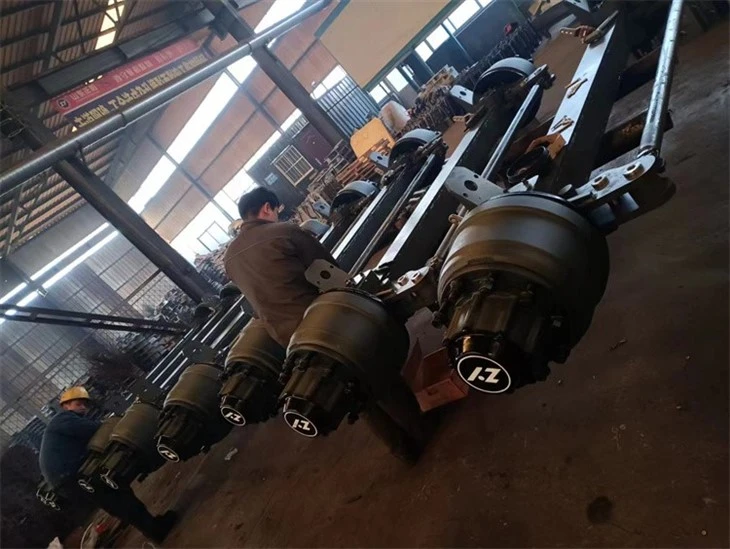
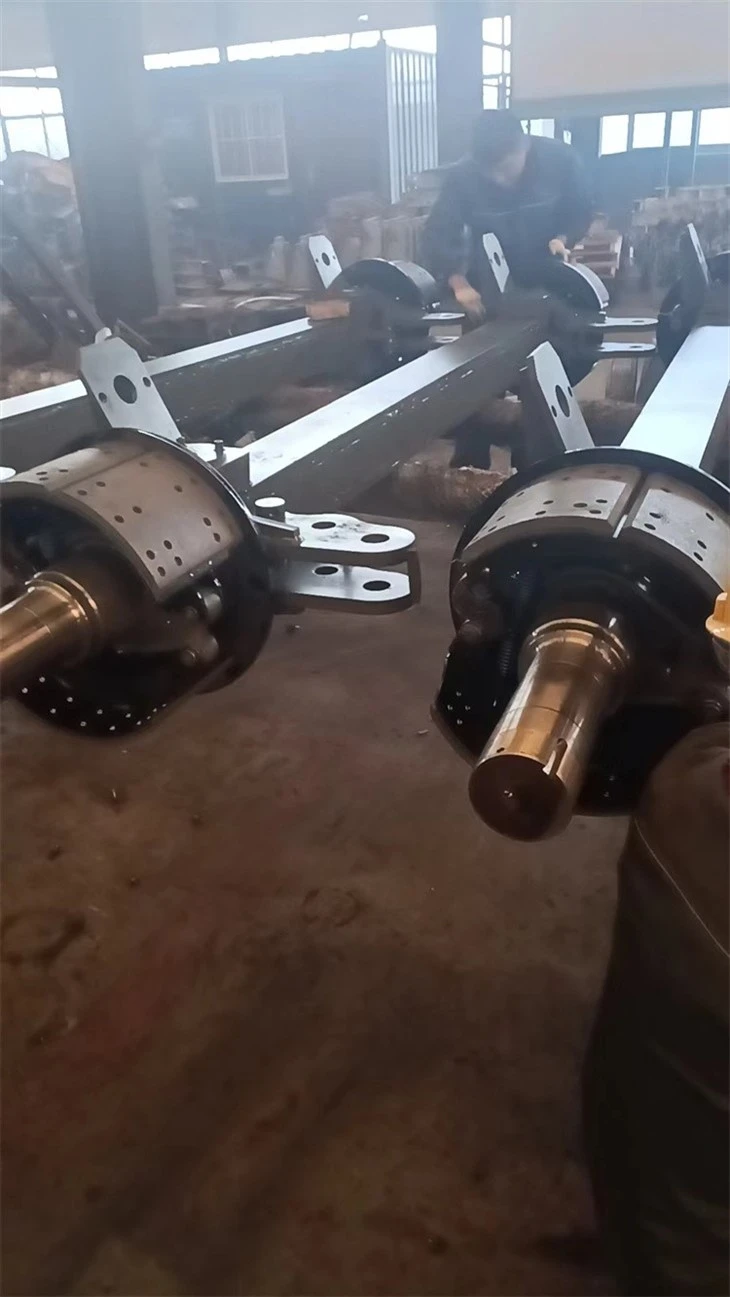
Another issue is the waste generated during production. There are metal shavings, excess materials, and chemicals used in the manufacturing process. If not managed properly, these can end up polluting the soil, water, and air. And once the axles reach the end of their life cycle, they often end up in landfills, taking up space and potentially leaking harmful substances.
So, how can we fix these problems? Well, one of the most effective ways is to use more sustainable materials. Instead of relying solely on traditional steel, we can look into using recycled metals. Recycled steel requires a lot less energy to produce compared to virgin steel. When we recycle steel, we're essentially reusing something that's already been made, which cuts down on the energy - intensive mining and refining processes. We can also explore the use of lightweight materials like aluminum or carbon fiber composites. These materials are not only lighter but also more energy - efficient to produce in some cases. A lighter axle means less weight on the vehicle, which in turn leads to better fuel efficiency. And better fuel efficiency means fewer emissions from the vehicle.
For example, our High Quality German Axle is designed with a focus on using high - grade recycled materials. We've worked hard to ensure that the quality is top - notch while still being environmentally friendly. By using recycled steel, we're reducing the carbon footprint of the axle production significantly.
Improving the manufacturing process is also key. We can invest in more energy - efficient machinery. Modern machines are often designed to use less energy while still maintaining high production rates. For instance, using advanced forging techniques that require less heat and pressure can save a lot of energy. We can also implement better waste management systems in our factories. By collecting and recycling the metal shavings and excess materials, we can reduce the amount of waste going to landfills. And proper treatment of chemicals used in the manufacturing process can prevent them from polluting the environment.
Moreover, we can focus on extending the lifespan of axles. A longer - lasting axle means fewer replacements, which reduces the overall environmental impact. We can achieve this through better design and quality control. By using advanced engineering techniques, we can make axles more resistant to wear and tear. For example, our Disc - Brake Axle is built with high - quality components and a robust design. This ensures that it can withstand the rigors of daily use for a longer time, reducing the need for frequent replacements.
Another aspect is the end - of - life management of axles. Instead of just throwing them away, we can set up a proper recycling program. We can partner with recycling facilities to ensure that old axles are broken down and their materials are reused. This not only reduces waste but also provides a source of raw materials for future axle production.
We can also play a role in promoting more sustainable vehicle use. For example, we can work with vehicle manufacturers to develop axles that are optimized for electric vehicles. Electric vehicles are already more environmentally friendly than traditional gasoline - powered vehicles, and by providing axles that are specifically designed for them, we can further enhance their efficiency. Our Hydraulic Steering Axle can be adapted for use in electric vehicles, helping to improve their performance and reduce their environmental impact.
In addition to these technical solutions, we can also raise awareness among our customers. We can educate them about the environmental benefits of our sustainable axles. By choosing our axles, they're not only getting a high - quality product but also contributing to a greener planet. We can provide information on how our axles are made, the materials used, and the steps we've taken to reduce their environmental impact.
Finally, we need to collaborate with other stakeholders in the industry. This includes suppliers of raw materials, vehicle manufacturers, and environmental organizations. By working together, we can share knowledge, resources, and best practices. For example, we can work with raw material suppliers to ensure a steady supply of sustainable materials. And by collaborating with vehicle manufacturers, we can develop integrated solutions that are more environmentally friendly.
If you're in the market for axles and are concerned about the environment, we'd love to hear from you. Our team of experts is ready to discuss your specific needs and how our sustainable axles can meet them. Whether you're looking for a high - quality axle for a small car or a heavy - duty axle for an industrial vehicle, we've got you covered. Contact us to start a conversation about how we can work together to reduce the environmental impact of axles and make our world a better place.
References
- Smith, J. (2020). Sustainable Materials in Automotive Manufacturing. Journal of Automotive Engineering, 15(2), 78 - 85.
- Johnson, A. (2021). Energy - Efficient Manufacturing Processes for Vehicle Components. International Journal of Manufacturing Technology, 22(3), 123 - 132.
- Brown, C. (2019). End - of - Life Management of Automotive Parts: A Review. Environmental Science & Technology, 35(4), 210 - 218.


