

Hey there! As a supplier of built-in support legs, I've been getting a lot of questions lately about how these nifty devices handle lateral forces. So, I thought I'd take a deep dive into this topic and share some insights with you all.
First off, let's talk about what lateral forces are. In simple terms, lateral forces are those that act horizontally on an object. When it comes to built-in support legs, these forces can come from a variety of sources. For example, if a trailer with built-in support legs is parked on an uneven surface, the ground might push against the legs sideways. Or, when there's a strong wind blowing, it can exert lateral pressure on the structure that the support legs are holding up.
Now, how do our built-in support legs deal with these lateral forces? Well, it all starts with the design. We've put a lot of thought into making sure that our support legs are sturdy and can withstand these kinds of pressures.
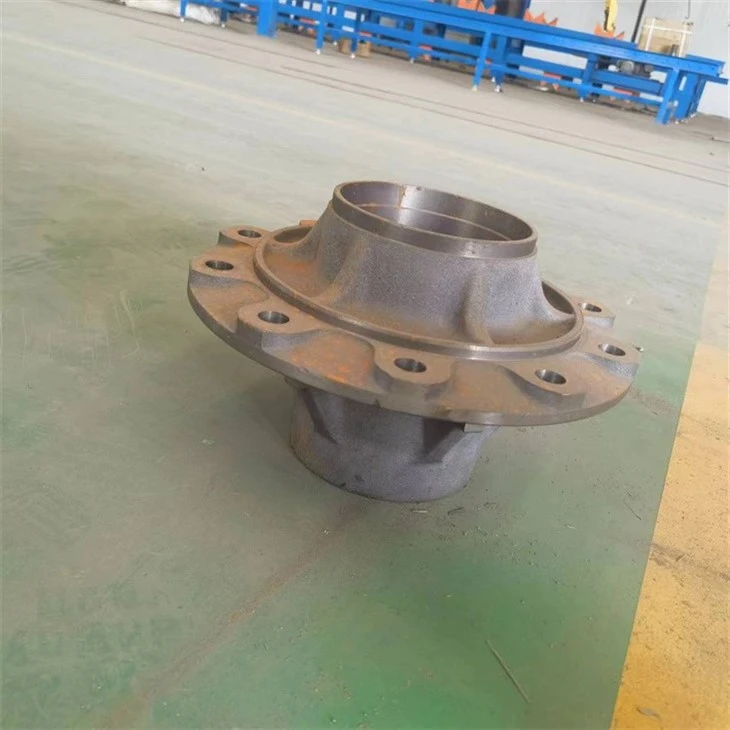

One of the key features is the material we use. We use high - strength steel for most of our support legs. This steel is tough and can resist bending and breaking under lateral loads. It has a high yield strength, which means it can deform a little bit before it starts to fail. This is important because it allows the support legs to absorb some of the energy from the lateral forces without completely giving way.
Another important aspect is the shape of the support legs. We've designed them with a wide base. A wider base provides more stability and distributes the lateral forces over a larger area. Think of it like a table. A table with a wide base is less likely to tip over when you push it from the side compared to a table with a narrow base. The same principle applies to our support legs. The wider the base, the better it can handle those sideways pushes.
We also pay close attention to the connection points. The support legs need to be firmly attached to the structure they're supporting. We use high - quality bolts and welding techniques to ensure a strong connection. A loose connection would allow the support legs to move around under lateral forces, which could lead to failure. By having a solid connection, the lateral forces are transferred safely from the support legs to the structure and then to the ground.
Let's take a look at some real - world scenarios. Imagine a large trailer that's carrying heavy equipment. It's parked on a site where the ground slopes a bit. The lateral forces from the uneven ground are pushing against the built - in support legs. Our support legs, with their strong steel construction and wide base, can handle these forces. They keep the trailer stable and prevent it from tipping over.
Now, let's say there's a sudden gust of wind. This wind creates lateral forces on the side of the trailer. The support legs work together to resist these forces. The steel material flexes a little bit, absorbing the energy from the wind, while the wide base keeps the whole setup stable.
In addition to these design features, we also offer some optional accessories that can enhance the lateral force - handling capabilities of our support legs. For example, we have Single Point Suspension. This accessory can help to further distribute the lateral forces and reduce the stress on the support legs. It works by providing an additional point of support and a way to transfer the forces more evenly.
Another accessory is the Aluminum Gas Storage Cylinder. While it might not seem directly related to lateral forces at first glance, it can actually play a role. By storing gas in a proper cylinder, it helps to balance the weight distribution on the trailer. A well - balanced trailer is less likely to experience excessive lateral forces in the first place.
The Axle Axle Head is also an important part of the equation. It connects the wheels to the trailer and can affect how the trailer responds to lateral forces. A high - quality axle head ensures that the wheels can turn smoothly and that the lateral forces are transferred in a controlled manner.
We've done a lot of testing on our built - in support legs. We simulate different lateral force scenarios in our lab to make sure they meet our high standards. We measure things like the maximum lateral load the support legs can handle and how they deform under different levels of stress. This testing allows us to continuously improve our products and make them even better at handling lateral forces.
If you're in the market for built - in support legs, you want to make sure you're getting a product that can handle the lateral forces your application might face. Our support legs are designed with these forces in mind, and we're confident that they can meet your needs.
Whether you're in the transportation industry, construction, or any other field that requires stable support for structures, our built - in support legs are a great choice. They're reliable, durable, and can handle those pesky lateral forces with ease.
If you're interested in learning more about our built - in support legs or want to discuss your specific requirements, don't hesitate to reach out. We're always happy to have a chat and help you find the right solution for your project. You can start a conversation with us, and we'll work together to figure out the best way to handle those lateral forces and keep your structures stable.
In conclusion, our built - in support legs are engineered to handle lateral forces through a combination of high - strength materials, smart design, and quality construction. With the optional accessories we offer, you can further enhance their performance. So, if you need support legs that can stand up to the challenge, give us a shout. We're here to help you make the right choice.
References
- Engineering Principles for Structural Design
- Handbook of Steel Structures
- Trailer Design and Safety Guidelines


