

Hey there! As a supplier of drum brake bridges, I've seen firsthand how the design of these components can have a huge impact on their performance. In this blog, I'm gonna break down the key design factors that affect a drum brake bridge's performance and why they matter.
Let's start with the basics. A drum brake bridge is a crucial part of a vehicle's braking system. It connects the two brake drums on an axle, providing a stable structure for the brake components to work together. When you step on the brake pedal, the brake shoes inside the drums press against the drum's inner surface, creating friction that slows down or stops the vehicle. The design of the drum brake bridge plays a vital role in how effectively this process happens.
One of the most important design aspects is the material used. The drum brake bridge needs to be strong and durable to withstand the forces generated during braking. Common materials include steel and cast iron. Steel is known for its high strength - to - weight ratio. It can handle the heavy loads and stresses without adding too much extra weight to the vehicle. This is great for fuel efficiency and overall vehicle performance. On the other hand, cast iron is very rigid and has good heat - dissipation properties. Heat is a big enemy in braking systems because excessive heat can cause the brake components to wear out faster or even lead to brake fade. So, a drum brake bridge made of cast iron can help keep the brakes cool and functioning properly. For example, in heavy - duty trucks that do a lot of towing or stop - and - go driving, a cast - iron drum brake bridge might be a better choice due to its heat - handling capabilities.
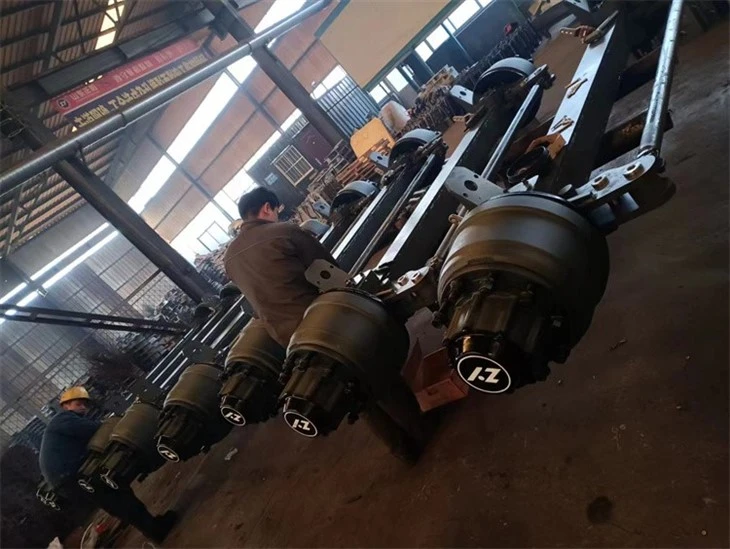

The shape and structure of the drum brake bridge also matter a lot. A well - designed bridge should have a proper cross - section. A wider and thicker cross - section generally means more strength. But it's not just about making it as thick as possible. The design needs to be optimized to distribute the braking forces evenly across the bridge. If the forces are concentrated in one area, it can lead to premature wear and even structural failure. Some drum brake bridges are designed with ribs or reinforcements. These features can increase the bridge's stiffness and strength without adding too much weight. For instance, a drum brake bridge with strategically placed ribs can better resist bending and twisting forces, which are common during hard braking or when the vehicle is turning.
Another factor is the mounting design. The way the drum brake bridge is attached to the axle and the brake drums is crucial for its performance. A secure and precise mounting ensures that the brake components are properly aligned. Misaligned brakes can cause uneven wear on the brake shoes and drums, reducing the braking efficiency. The mounting points should be designed to prevent any movement or play between the bridge and the other parts of the braking system. This might involve using high - quality bolts and washers and having well - machined surfaces for a tight fit.
Now, let's talk about how these design features translate into real - world performance. A well - designed drum brake bridge can provide better braking power. When the braking forces are evenly distributed, the brake shoes can apply more consistent pressure on the drums, resulting in more effective stopping. This is especially important in emergency situations where every bit of braking power counts. It also improves the durability of the braking system. By reducing stress concentrations and heat buildup, the components are less likely to wear out quickly. This means fewer maintenance costs and longer service intervals for the vehicle owners.
In addition to the performance benefits, the design of the drum brake bridge can also affect the ease of installation and maintenance. A well - thought - out design can make it easier for mechanics to install and remove the bridge when needed. For example, if the mounting holes are clearly marked and the bridge has a simple and intuitive shape, it can save a lot of time during installation. And when it comes to maintenance, a design that allows easy access to the brake components inside the drums can make tasks like brake shoe replacement much quicker and less complicated.
As a supplier, I understand that different customers have different needs. That's why we offer a variety of drum brake bridge designs to suit various applications. Whether you're looking for a bridge for a light - duty passenger car or a heavy - duty commercial vehicle, we've got you covered.
If you're in the market for other types of axles, we also have some great options. Check out our Hydraulic Steering Axle, which offers smooth and precise steering control. Our High Quality Concave Axle is known for its durability and excellent load - bearing capacity. And if you're interested in disc - brake systems, our Disc - Brake Axle provides superior braking performance.
We're always here to help you find the right drum brake bridge or other axle components for your needs. If you have any questions or want to discuss your specific requirements, don't hesitate to reach out. We can work together to find the best solution for your vehicles. Whether you're a vehicle manufacturer, a repair shop, or an individual looking to upgrade your brakes, we're ready to assist you. Let's start a conversation and see how we can improve your braking systems.
References:
- Automotive Braking Systems: Principles and Design by Smith, John.
- Handbook of Vehicle Design and Performance by Johnson, Mary.


