

Hey there, fellow trailer enthusiasts! As a supplier of top - notch trailer axles, I get asked a lot about how often a trailer axle should be maintained. It's a crucial question, and the answer isn't as straightforward as you might think. So, let's dive right in and explore this topic in detail.
First off, why is axle maintenance so important? Well, your trailer axle is like the heart of your trailer. It bears the weight of the load, provides stability, and ensures a smooth ride. If it's not properly maintained, you could face all sorts of problems, from uneven tire wear to complete axle failure. And trust me, you don't want to be stuck on the side of the road with a broken axle!
One of the main factors that determine how often you should maintain your trailer axle is how often you use your trailer. If you're a frequent traveler, hauling loads on a regular basis, your axle will need more attention compared to someone who only uses their trailer a few times a year.
For those who use their trailers often, say, every week or more, it's a good idea to give your axle a basic inspection before each trip. This means checking the tire pressure, looking for any visible signs of damage like cracks or bends, and making sure the wheel bearings are in good shape. You can do a simple check by grabbing the top and bottom of the tire and trying to wiggle it. If there's excessive play, it could be a sign that the bearings need to be adjusted or replaced.
In addition to pre - trip inspections, a more thorough maintenance should be done every three to six months. This includes lubricating the wheel bearings, checking the brake system, and inspecting the axle for any signs of wear and tear. When it comes to lubricating the wheel bearings, it's important to use the right type of grease. High - quality grease will help prevent rust and corrosion and keep the bearings running smoothly.

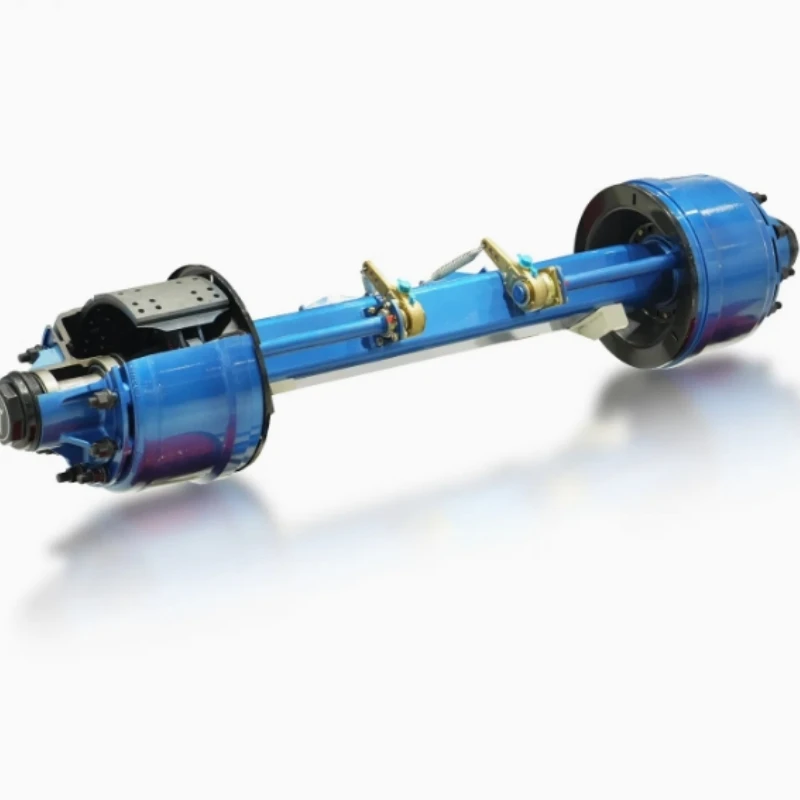
Now, if you're someone who uses their trailer less frequently, like a few times a year, you can still benefit from a pre - trip inspection. But for more in - depth maintenance, once a year should be sufficient. However, even if you don't use your trailer often, it's still a good idea to store it properly. Keep it in a dry place and cover it to protect it from the elements. Exposure to rain, snow, and sunlight can cause the axle to deteriorate over time.
Another factor that affects maintenance frequency is the type of load you're hauling. If you're carrying heavy loads on a regular basis, your axle will be under more stress. Heavy loads can cause the bearings to wear out faster and put more strain on the axle itself. In this case, you might want to increase the frequency of your maintenance. Maybe go for a thorough check every two to three months instead of six.
The environment in which you use your trailer also plays a role. If you're often driving on rough roads, dirt tracks, or in areas with a lot of salt (like near the ocean or in winter - salted roads), your axle will be more prone to damage. Salt can cause corrosion, and rough roads can lead to impacts that might bend or crack the axle. In these situations, you'll need to be extra vigilant and do more frequent inspections.
Let's talk about some of the axles we offer at our company. We have the Lowbed Series Axle, which is designed for heavy - duty applications. It's built to handle large loads and is very durable. The German Style Axle is known for its precision engineering and high - quality components. And if you're looking for something lighter, our 10T Lightweight Axle is a great option. It offers a good balance between weight and strength.
When it comes to maintaining these axles, the general guidelines we've discussed still apply. But because of their different designs and intended uses, you might need to adjust the maintenance schedule slightly. For example, the heavy - duty Lowbed Series Axle, due to its exposure to large loads, might need a bit more frequent lubrication and bearing checks.
Now, let's go over some specific maintenance tasks in more detail.
Wheel Bearing Maintenance
Wheel bearings are a critical part of the axle system. They allow the wheels to rotate smoothly. As mentioned earlier, you should lubricate them regularly. To do this, you'll need to remove the wheels and take out the bearings. Clean them thoroughly with a degreaser and then apply fresh grease. Make sure to pack the grease evenly into the bearings. This will help reduce friction and prevent overheating.
Brake System Inspection
The brakes on your trailer are just as important as the axle itself. You should check the brake pads or shoes for wear. If they're getting thin, it's time to replace them. Also, look at the brake lines for any signs of leaks or damage. A leaky brake line can lead to a loss of braking power, which is extremely dangerous.
Axle Alignment
Proper axle alignment is crucial for even tire wear and a smooth ride. If your axle is misaligned, it can cause the tires to wear unevenly, which means you'll have to replace them more often. You can have your axle alignment checked at a professional trailer service center. They have the tools and expertise to make sure your axle is perfectly aligned.
In conclusion, there's no one - size - fits - all answer to how often a trailer axle should be maintained. It depends on factors like usage frequency, load type, and environment. But by following the guidelines we've discussed, you can keep your axle in top condition and avoid costly breakdowns.
If you're in the market for a new trailer axle or have any questions about maintenance, don't hesitate to reach out to us. We're here to help you make the right choice and keep your trailer running smoothly. Whether you need a heavy - duty axle for large loads or a lightweight one for occasional use, we've got you covered.
References
- "Trailer Maintenance Handbook" - A comprehensive guide on trailer upkeep
- Industry standards and best practices from the trailer manufacturing community


