
Underwater equipment operates in one of the most challenging environments on Earth. The external support legs of this equipment are crucial components that bear significant loads and are constantly exposed to water, salts, and other corrosive substances. As a supplier of external support legs, I understand the importance of meeting strict waterproof and anti - corrosion requirements to ensure the reliability and longevity of underwater equipment.
Waterproof Requirements for External Support Legs
1. Material Selection
The choice of materials is fundamental to achieving waterproofing. For external support legs, high - density polymers and stainless steels are commonly used. High - density polymers, such as polyethylene and polypropylene, have excellent water - resistant properties. They can form a tight barrier against water penetration, preventing it from reaching the internal structure of the support legs. Stainless steels, on the other hand, are known for their durability and resistance to rust. Grades like 316L stainless steel contain molybdenum, which enhances its resistance to pitting and crevice corrosion in saltwater environments.
The design of the support legs also plays a vital role in waterproofing. Sealing joints are critical areas where water can potentially enter. We use advanced sealing technologies, such as O - rings and gaskets made from elastomeric materials. These materials can deform under pressure to create a tight seal, preventing water ingress. Additionally, the support legs are designed with smooth surfaces to reduce the adhesion of water droplets and prevent the formation of stagnant water, which could lead to corrosion over time.
2. Testing and Certification
To ensure that our external support legs meet the required waterproof standards, we conduct a series of rigorous tests. One of the most common tests is the immersion test, where the support legs are submerged in water for a specified period at a certain depth. During this test, we monitor for any signs of water penetration, such as changes in weight or the presence of water inside the leg.
We also perform pressure tests to simulate the high - pressure conditions that underwater equipment may encounter. By subjecting the support legs to pressures equivalent to the maximum operating depth of the equipment, we can verify their structural integrity and waterproof performance. Once the support legs pass these tests, they are certified to meet the relevant waterproof standards, providing our customers with confidence in their performance.
Anti - Corrosion Requirements for External Support Legs
1. Coating Technologies
In addition to using corrosion - resistant materials, we apply advanced coating technologies to further enhance the anti - corrosion properties of our external support legs. One of the most effective coating methods is the application of epoxy coatings. Epoxy coatings can form a hard, protective layer on the surface of the support legs, isolating them from the corrosive environment. These coatings are resistant to a wide range of chemicals, including salts, acids, and alkalis, which are commonly found in seawater.
Another coating technology we use is zinc - rich primers. Zinc is a sacrificial metal that can corrode preferentially to protect the underlying steel. When applied as a primer, zinc can provide long - term corrosion protection, especially in harsh marine environments. The zinc - rich primers are followed by topcoats that provide additional protection against UV radiation and mechanical damage.
2. Cathodic Protection
Cathodic protection is a widely used technique for preventing corrosion in underwater structures. For our external support legs, we can implement either sacrificial anode cathodic protection or impressed current cathodic protection. In sacrificial anode cathodic protection, sacrificial anodes made of more active metals, such as aluminum or magnesium, are attached to the support legs. These anodes corrode instead of the support legs, providing protection as long as the anode material is present.
Impressed current cathodic protection involves the use of an external power source to supply a direct current to the support legs. This current makes the support legs the cathode in an electrochemical cell, preventing corrosion. By carefully controlling the current density, we can ensure effective corrosion protection without over - protecting the support legs, which could lead to other problems, such as hydrogen embrittlement.
Comparison with Related Products
When comparing our external support legs with other products in the market, our focus on waterproof and anti - corrosion performance sets us apart. Many of our competitors may offer support legs with basic waterproofing and anti - corrosion features, but our products are designed to meet the most demanding requirements of underwater applications.
For example, compared to some products that only use standard steel without proper coating or protection, our support legs made of high - quality stainless steel and coated with advanced epoxy and zinc - rich coatings offer superior corrosion resistance. This means that our support legs can have a longer service life, reducing the need for frequent replacements and maintenance.
In terms of waterproofing, our use of advanced sealing technologies and smooth surface designs ensures a higher level of water resistance compared to some products with poorly designed joints or rough surfaces. This makes our support legs more reliable in preventing water ingress, which is crucial for the safe operation of underwater equipment.
Applications and Case Studies
Our external support legs are widely used in various underwater applications, including offshore oil and gas platforms, underwater research equipment, and subsea pipelines. In offshore oil and gas platforms, the support legs need to withstand high loads and harsh marine environments for long periods. Our support legs, with their excellent waterproof and anti - corrosion properties, have been successfully used in many platforms, providing reliable support and reducing the risk of structural failure.
For underwater research equipment, such as remotely operated vehicles (ROVs) and autonomous underwater vehicles (AUVs), the support legs need to be lightweight and corrosion - resistant. Our products meet these requirements, allowing the research equipment to operate effectively in different underwater environments. In one case study, an ROV equipped with our support legs was used for deep - sea exploration. The support legs remained in excellent condition after months of operation, demonstrating their durability and performance.
Related Products from Our Catalog
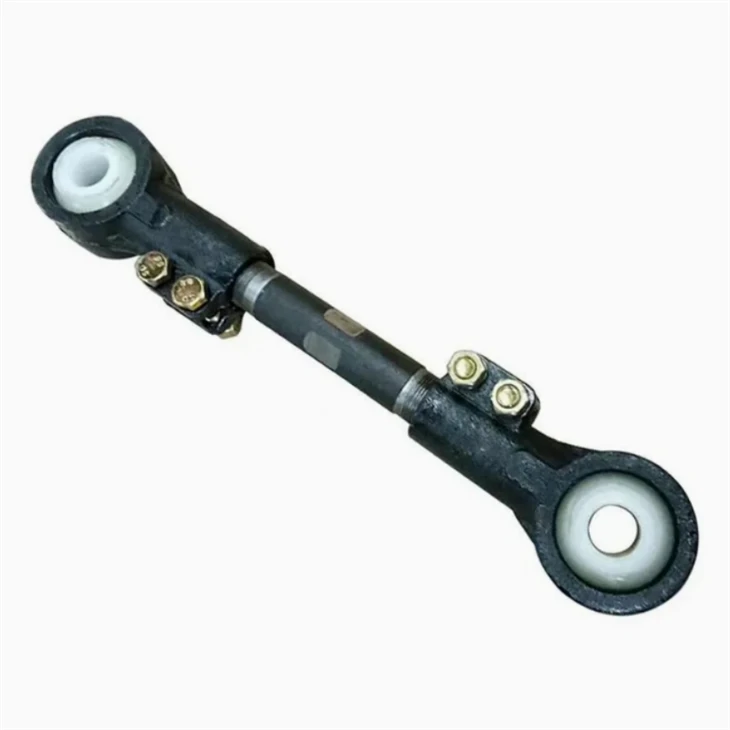
In addition to external support legs, we also offer a range of related products that can enhance the performance of underwater equipment. For example, we provide American Suspension Pull Rod, which can improve the stability and maneuverability of underwater vehicles. These pull rods are designed to withstand high - stress conditions and are made from corrosion - resistant materials.
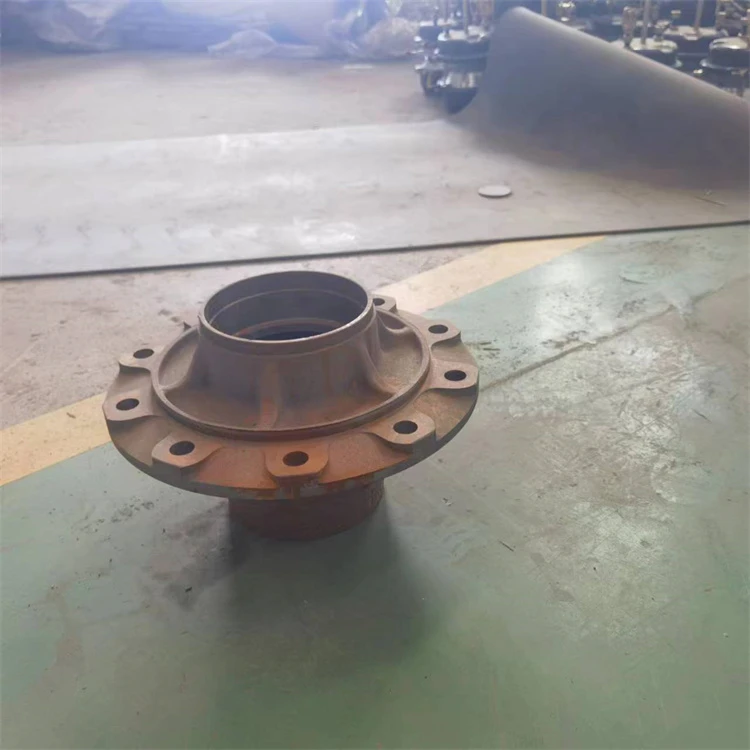
We also offer Axle Axle Head for underwater equipment. The axle heads are precision - engineered to ensure smooth rotation and reliable operation. They are treated with anti - corrosion coatings to prevent rust and damage in the underwater environment.
Another product in our catalog is the Single Point Suspension. This suspension system can provide a flexible and stable support for underwater equipment, reducing the impact of waves and currents. The single - point suspension is designed with waterproof and anti - corrosion features to ensure long - term performance.
Conclusion and Call to Action
As an external support legs supplier, we are committed to providing high - quality products that meet the strict waterproof and anti - corrosion requirements of underwater equipment. Our products are designed and manufactured using the latest technologies and materials, and they are rigorously tested to ensure their performance and reliability.
If you are in the market for external support legs or related products for your underwater equipment, we invite you to contact us for more information. Our team of experts can provide you with detailed product specifications, pricing, and technical support. We look forward to discussing your specific needs and working with you to find the best solutions for your underwater applications.
References
- ASM Handbook Volume 13C: Corrosion: Prevention and Control. ASM International.
- Underwater Engineering Handbook. Marine Technology Society.
- Corrosion Control in the Marine Environment. NACE International.


