

When it comes to ensuring the stability and safety of trailers, external support legs play a crucial role. As a reputable supplier of external support legs, I understand the significance of choosing the right size for your specific needs. In this blog post, I'll share some valuable insights on how to make an informed decision when selecting the appropriate size of external support legs.
Understanding the Basics of External Support Legs
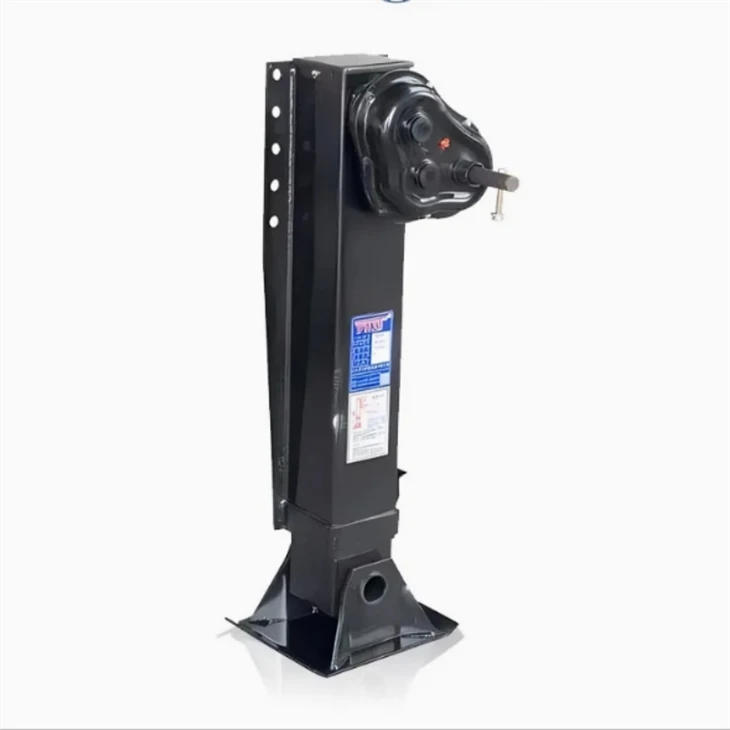
External support legs, also known as landing gear, are essential components of trailers. They provide stability when the trailer is parked or uncoupled from the tractor. These legs are designed to bear the weight of the trailer and its cargo, preventing it from tipping over or shifting during loading and unloading operations. The right size of external support legs can significantly enhance the safety and efficiency of trailer operations.
Factors to Consider When Choosing the Right Size
1. Trailer Weight
The weight of the trailer and its cargo is one of the most critical factors to consider when choosing the size of external support legs. You need to know the gross vehicle weight rating (GVWR) of your trailer, which includes the weight of the trailer itself, the cargo it can carry, and any additional equipment. External support legs are rated based on their weight - bearing capacity. For example, if your trailer has a GVWR of 20,000 pounds, you should choose external support legs with a weight - bearing capacity that exceeds this value to ensure safety.
2. Trailer Height
The height of your trailer also matters. Different trailers have different heights, and the external support legs need to be long enough to reach the ground and provide stable support. Measure the distance from the mounting point of the support legs on the trailer to the ground when the trailer is in its normal operating position. Make sure to account for any variations in ground level, such as uneven surfaces or slopes. You may need to choose longer support legs for taller trailers or those that operate on uneven terrain.
3. Loading and Unloading Requirements
Consider the type of loading and unloading operations your trailer will be involved in. If you frequently load and unload heavy or bulky items, the support legs need to be able to withstand the additional forces generated during these processes. For example, if you are using a forklift to load pallets onto the trailer, the support legs should be strong enough to handle the dynamic forces exerted by the forklift's movements.
4. Frequency of Use
If your trailer is in constant use, you'll need more durable and reliable external support legs. High - frequency use can put a lot of stress on the support legs, so choosing a size and design that can withstand repeated loading and unloading cycles is essential. Look for support legs made from high - quality materials, such as steel or aluminum, which offer excellent strength and corrosion resistance.
Types of External Support Legs and Their Sizes
Manual External Support Legs
Manual external support legs are the most common type. They are operated by hand, usually using a crank mechanism. These legs come in various sizes and weight - bearing capacities. Smaller manual support legs may be suitable for light - duty trailers, such as those used for personal or small - business applications. For example, a trailer with a GVWR of up to 10,000 pounds may require a pair of manual support legs with a capacity of 5,000 pounds each.
Power - Operated External Support Legs
Power - operated external support legs, such as hydraulic or electric models, are more suitable for heavy - duty trailers. They offer the advantage of faster and easier operation, especially when dealing with large and heavy trailers. These legs can have much higher weight - bearing capacities compared to manual ones. For instance, a heavy - duty semi - trailer with a GVWR of 50,000 pounds or more may need power - operated support legs with a capacity of 25,000 pounds each.
The Importance of Compatibility
It's not just about choosing the right size in terms of weight - bearing capacity and length. The external support legs also need to be compatible with your trailer's mounting system. Make sure to check the mounting dimensions and specifications of your trailer before purchasing support legs. Some trailers may require specific types of mounting brackets or adapters to ensure a proper fit.
Related Trailer Accessories
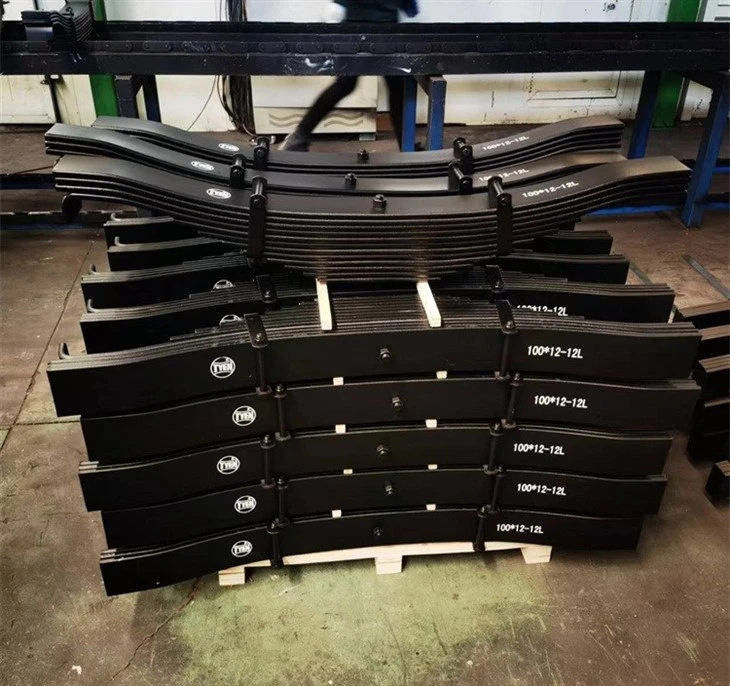
In addition to external support legs, there are other important trailer accessories that you may need to consider. For example, Air Brake Tanks are essential for the braking system of your trailer, ensuring safe and reliable stopping power. Landing Gear is another term for external support legs, and you can find a wide range of options on our website. And Semi - trailer Plate Spring helps to absorb shocks and vibrations, improving the ride quality and stability of your trailer.
Making the Right Choice
Once you have considered all the factors mentioned above, it's time to make a decision. Start by researching different brands and models of external support legs. Look for products that have good reviews and a reputation for quality and reliability. You can also consult with experts in the trailer industry, such as mechanics or other trailer owners, to get their recommendations.
When you're ready to purchase, make sure to buy from a trusted supplier. As an external support legs supplier, I can offer you a wide range of sizes and types to meet your specific needs. Our products are manufactured to the highest standards, ensuring safety and durability.
Contact Us for Procurement
If you're in the market for external support legs or have any questions about choosing the right size, I encourage you to contact us. We have a team of experts who can assist you in making the best decision for your trailer. Whether you're a small - business owner or a large - scale logistics company, we can provide you with the right solutions at competitive prices. Let's work together to ensure the safety and efficiency of your trailer operations.
References
- Trailer Industry Handbook, 2023 Edition
- Guide to Trailer Accessories and Safety, published by the National Trailer Association


