

Lubricating a trailer axle is a crucial maintenance task that can significantly extend the lifespan of your trailer and ensure its safe operation. As a leading trailer axle supplier, we understand the importance of proper lubrication and are here to guide you through the process. In this blog post, we'll cover everything you need to know about lubricating a trailer axle, from why it's important to the step-by-step process.
Why Lubricate a Trailer Axle?
Proper lubrication of a trailer axle serves several vital purposes. First and foremost, it reduces friction between moving parts. The axle bearings, which support the weight of the trailer and allow the wheels to rotate smoothly, generate a significant amount of heat and friction during operation. Without adequate lubrication, this friction can cause excessive wear and tear on the bearings, leading to premature failure.
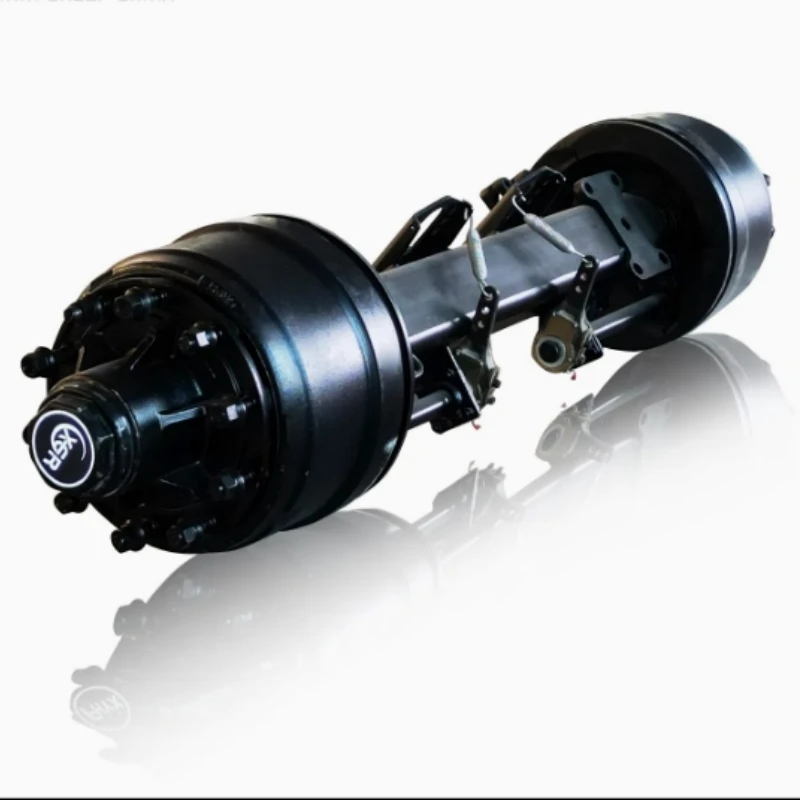

Secondly, lubrication helps to prevent corrosion. Trailer axles are often exposed to harsh environmental conditions, including water, dirt, and road salt. These elements can cause the metal components of the axle to rust and corrode, weakening the structure and potentially leading to safety issues. A good lubricant forms a protective barrier that helps to keep moisture and contaminants away from the metal surfaces.
Finally, regular lubrication can improve the overall performance of your trailer. By reducing friction and wear, the wheels can rotate more freely, which can lead to better fuel efficiency and a smoother ride.
Types of Trailer Axles We Supply
Before we dive into the lubrication process, let's take a moment to介绍一下 the types of trailer axles we offer. We have a wide range of axles to suit different applications and requirements.
- Lowbed Series Axle: These axles are designed for lowbed trailers, which are commonly used for transporting heavy and oversized loads. They are built to withstand high loads and provide excellent stability.
- German Style Axle: Inspired by German engineering, these axles are known for their high quality and precision. They offer superior performance and durability, making them a popular choice for many trailer owners.
- 10T Lightweight Axle: As the name suggests, these axles are designed to be lightweight while still being able to handle a load capacity of up to 10 tons. They are ideal for trailers where weight reduction is a priority, such as in some racing or recreational applications.
Choosing the Right Lubricant
The first step in lubricating a trailer axle is choosing the right lubricant. There are several types of lubricants available, each with its own characteristics and suitability for different applications.
- Grease: Grease is the most common lubricant used for trailer axles. It is a thick, semi-solid substance that adheres well to the surfaces of the bearings and other moving parts. Grease provides excellent protection against friction and corrosion and can withstand high temperatures. When choosing a grease, look for one that is specifically formulated for trailer axle bearings. It should have a high dropping point (the temperature at which it turns from a semi-solid to a liquid) and good water resistance.
- Oil: Oil can also be used as a lubricant for trailer axles, although it is less common. Oil provides better heat dissipation than grease, which can be beneficial in high-speed or heavy-duty applications. However, it is more likely to leak out of the axle housing, so it requires a more complex sealing system.
Step-by-Step Guide to Lubricating a Trailer Axle
Now that you have chosen the right lubricant, let's walk through the step-by-step process of lubricating a trailer axle.
Step 1: Prepare the Trailer
Before you start lubricating the axle, make sure the trailer is parked on a level surface and the wheels are chocked to prevent it from rolling. You may also want to wear gloves and safety glasses to protect yourself from any grease or debris.
Step 2: Remove the Hub Cap
The hub cap is located on the outer end of the wheel hub and covers the axle bearings. Use a pry bar or a similar tool to carefully remove the hub cap. Be careful not to damage the cap or the hub.
Step 3: Remove the Dust Cap and Cotter Pin
Under the hub cap, you will find a dust cap that protects the axle nut. Use a socket wrench to remove the dust cap. Once the dust cap is removed, you will see a cotter pin that secures the axle nut. Use pliers to remove the cotter pin.
Step 4: Loosen and Remove the Axle Nut
Use a socket wrench to loosen and remove the axle nut. The axle nut is usually a large, thick nut that holds the wheel hub and bearings in place. Be careful not to lose the washer that is located between the nut and the hub.
Step 5: Remove the Wheel Hub
Once the axle nut is removed, you can carefully pull the wheel hub off the axle. The hub may be a bit tight, so you may need to use a rubber mallet to gently tap it loose. Be careful not to damage the bearings or the axle shaft.
Step 6: Clean the Bearings and Hub
With the wheel hub removed, you can now access the axle bearings. Use a degreaser and a clean rag to thoroughly clean the bearings and the inside of the hub. Make sure to remove all the old grease, dirt, and debris. You may also want to use a wire brush to clean any stubborn deposits.
Step 7: Inspect the Bearings
While the bearings are clean, take a close look at them for any signs of wear or damage. Look for pitting, scoring, or excessive play in the bearings. If you notice any of these signs, it is recommended to replace the bearings.
Step 8: Pack the Bearings with Grease
Once the bearings are clean and inspected, it's time to pack them with grease. Take a generous amount of grease in your hand and work it into the bearings, making sure to fill all the spaces between the rollers and the races. You can also use a bearing packing tool to make the process easier and more efficient.
Step 9: Reassemble the Wheel Hub
After the bearings are packed with grease, carefully place the wheel hub back onto the axle. Make sure the bearings are properly aligned and seated in the hub. Then, replace the washer and the axle nut. Tighten the axle nut to the manufacturer's recommended torque specification.
Step 10: Replace the Cotter Pin and Dust Cap
Once the axle nut is tightened, insert the cotter pin through the hole in the axle nut to secure it. Then, replace the dust cap over the axle nut.
Step 11: Replace the Hub Cap
Finally, replace the hub cap over the wheel hub. Make sure it is properly seated and secured.
Frequency of Lubrication
The frequency of lubrication depends on several factors, including the type of trailer, the operating conditions, and the type of lubricant used. As a general rule, it is recommended to lubricate the trailer axle bearings at least once a year or every 12,000 to 15,000 miles. However, if you frequently tow your trailer in harsh conditions, such as in wet or dusty environments, or if you tow heavy loads, you may need to lubricate the axles more often.
Conclusion
Lubricating a trailer axle is a relatively simple but important maintenance task that can have a significant impact on the performance and lifespan of your trailer. By following the steps outlined in this guide and choosing the right lubricant, you can ensure that your trailer axles are properly lubricated and protected.
If you are in the market for a new trailer axle or need more information about our products, please don't hesitate to contact us. Our team of experts is always ready to assist you with your trailer axle needs. Whether you have questions about lubrication, installation, or any other aspect of our products, we are here to help. We look forward to the opportunity to work with you and provide you with the high-quality trailer axles you deserve.
References
- Trailer Axle Maintenance Manuals
- Industry Standards for Trailer Axle Lubrication


