

Yo, what's up, everyone! I'm a supplier in the disc brake axle game, and let me tell you, the tech in this field is evolving faster than a cheetah on Red Bull. In this blog, I'm gonna break down the latest technological advancements in disc brake axles that are revolutionizing the industry.
1. Material Innovations
First off, let's talk about materials. You know, the old - school axles were made of traditional steel, which did the job but had its limitations. But now, we're seeing a shift towards high - strength alloys and composite materials.
High - strength alloys, like some super - tough steel alloys, have a much better strength - to - weight ratio. This means that the axles can handle more load without being as heavy. For us suppliers, it's a win - win. Lighter axles mean better fuel efficiency for vehicles, which is a huge selling point in today's eco - conscious world.
Composite materials are also making waves. Carbon fiber composites, for example, are incredibly strong and lightweight. They can withstand a lot of stress and are resistant to corrosion. Imagine an axle that can last longer and perform better in harsh environments. That's what these new materials bring to the table. If you're looking for a high - quality option, check out our High Quality German Axle, which uses some of these advanced materials.
2. Design Improvements
The design of disc brake axles has come a long way. In the past, axles had a more basic design that was mainly focused on functionality. But now, engineers are getting creative.
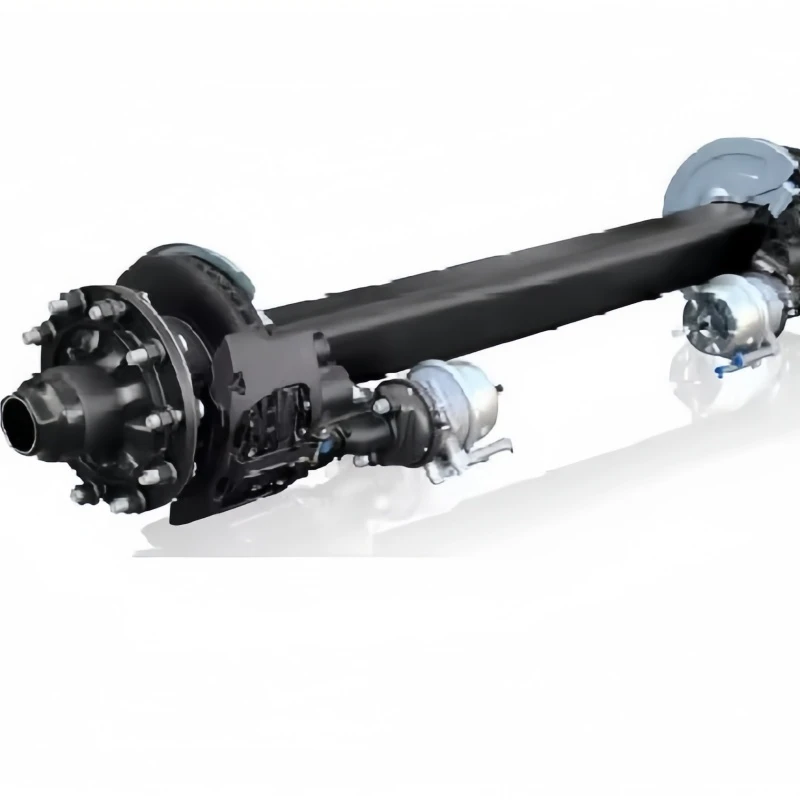
One of the big design changes is the integration of the disc brake system directly into the axle. This not only saves space but also improves the overall performance. With a more integrated design, the braking force is distributed more evenly, which leads to better stopping power.
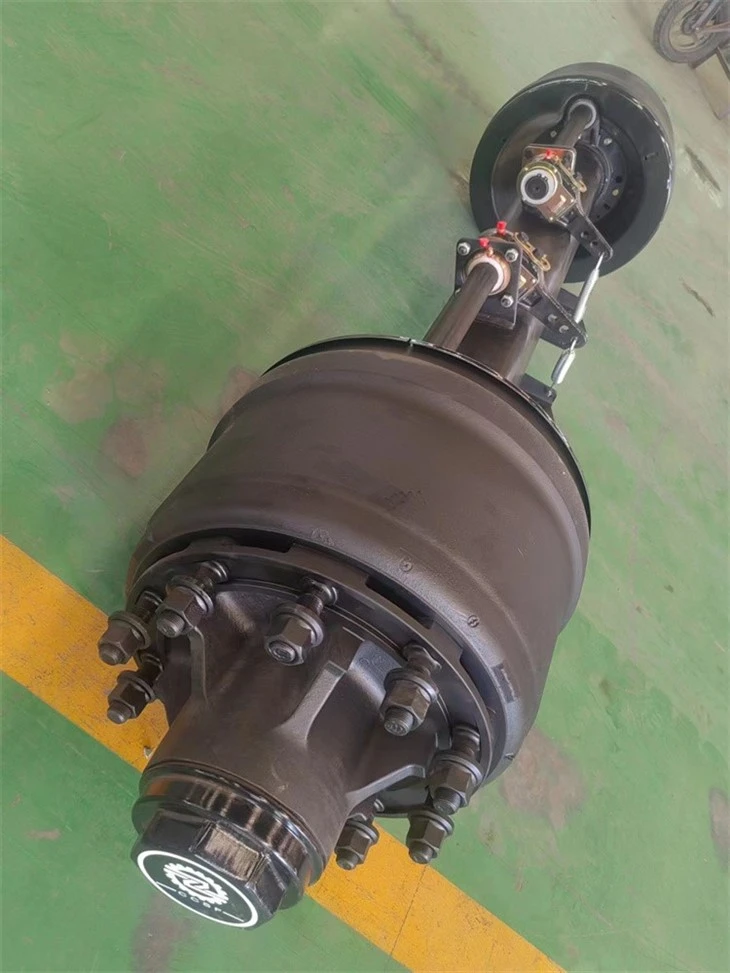
Another cool design feature is the use of modular axles. These axles are made up of different components that can be easily replaced or upgraded. If a part of the axle gets damaged, you don't have to replace the whole thing. Just swap out the faulty component, and you're good to go. This reduces maintenance costs and downtime for vehicle owners. Our Disc - Brake Axle features some of these innovative design elements.
3. Electronic Integration
The age of electronics has hit the disc brake axle industry hard, and it's for the better. Electronic sensors are now being incorporated into axles to monitor various parameters.
For example, sensors can measure the temperature of the brakes. Overheating brakes can be a serious safety hazard, but with these sensors, the system can detect when the brakes are getting too hot and take appropriate action. It could send a warning to the driver or even adjust the braking system to prevent damage.
There are also sensors that can monitor the wear and tear of the brake pads. This allows for predictive maintenance. Instead of waiting for the brake pads to completely wear out, you can replace them at the right time, which improves safety and reduces the risk of sudden brake failure.
Some advanced axles even have electronic stability control systems integrated. These systems can detect when a vehicle is starting to lose control and can adjust the braking force on individual wheels to keep the vehicle stable. It's like having a little safety guardian in your axle.
4. Comparison with Drum Brake Bridges
Now, you might be wondering how disc brake axles stack up against Drum Brake Bridge. Well, drum brakes have been around for a long time and have their advantages, but disc brake axles are definitely the future.
Drum brakes are more prone to overheating because the brake components are enclosed in a drum. This can lead to reduced braking performance over time. Disc brake axles, on the other hand, have better heat dissipation. The discs are exposed to the air, which helps to cool them down quickly.
In terms of stopping power, disc brake axles are superior. They can apply more force to the brakes, which means shorter stopping distances. This is crucial for safety, especially in high - speed situations.
Maintenance is also easier with disc brake axles. The components are more accessible, and it's easier to replace the brake pads. With drum brakes, you often have to disassemble more parts to get to the brake components, which can be time - consuming and costly.
5. Environmental Impact
In today's world, environmental concerns are at the forefront of everything we do. Disc brake axles are playing their part in reducing the environmental impact of vehicles.
As I mentioned earlier, the use of lighter materials in disc brake axles improves fuel efficiency. When vehicles use less fuel, they emit fewer greenhouse gases. This is a step towards a more sustainable future.
Also, the longer lifespan of disc brake axles means less waste. Instead of constantly replacing axles, they can last for a long time, reducing the amount of material that ends up in landfills.
6. Future Trends
So, what's next for disc brake axles? Well, the future looks pretty exciting. We can expect to see even more advanced materials being developed. Maybe some new types of alloys or composites that are even stronger and lighter.
The integration of artificial intelligence is also on the horizon. AI could be used to optimize the braking system based on driving conditions. For example, it could adjust the braking force depending on whether you're driving on a wet or dry road.
Wireless technology is another area that could see some development. Imagine being able to monitor the condition of your axle from your smartphone. You could get real - time data on things like brake wear and temperature, and even receive maintenance alerts.
Conclusion
As you can see, the world of disc brake axles is full of exciting technological advancements. From new materials to electronic integration, these axles are becoming more efficient, safer, and environmentally friendly.
If you're in the market for a disc brake axle, don't hesitate to reach out. Whether you're a vehicle manufacturer or an individual looking to upgrade your vehicle, we have the right solution for you. We can offer you high - quality products that incorporate all these latest technologies. So, let's start a conversation and see how we can work together to get you the best disc brake axle for your needs.
References
- "Automotive Braking Systems: Principles, Diagnosis, and Service" by Robert N. Brady
- Industry reports on automotive technology advancements
- Research papers on materials science and their application in axles


