

As a supplier of drum brake bridges, I've had the privilege of witnessing firsthand the diverse range of these components and their unique characteristics. Drum brake bridges play a crucial role in the braking system of various vehicles, and understanding the differences between different types is essential for both manufacturers and end - users. In this blog, I'll delve into the key differences between various drum brake bridges.
Design and Construction
One of the primary differences among drum brake bridges lies in their design and construction. The materials used can vary significantly. Some drum brake bridges are made from high - strength steel, which offers excellent durability and can withstand heavy loads. Steel drum brake bridges are often favored in commercial vehicles and heavy - duty applications where reliability is of utmost importance. For instance, in large trucks and buses, the constant stress and high - volume braking requirements demand a robust structure, and steel provides the necessary strength.
On the other hand, there are drum brake bridges made from aluminum alloys. Aluminum is lighter than steel, which can contribute to overall vehicle weight reduction. This is particularly beneficial in applications where fuel efficiency is a priority, such as in some passenger cars and light - duty trucks. However, aluminum drum brake bridges may not be as strong as their steel counterparts in extreme heavy - load situations.
The design of the drum itself also varies. Some drums have a simple, single - piece construction, which is cost - effective and easy to manufacture. These are commonly found in budget - friendly vehicles or in applications where the braking requirements are relatively low. Other drums feature a more complex, multi - piece design. This design can offer better heat dissipation, as it allows for more surface area to be exposed to the air. Heat dissipation is crucial in braking systems because excessive heat can cause brake fade, reducing the braking efficiency. High - performance vehicles and those used in demanding driving conditions, like racing cars or vehicles used for towing, often employ multi - piece drum designs.
Braking Performance
Braking performance is another area where different drum brake bridges differ. The friction material used in the brake shoes is a key factor. There are various types of friction materials, each with its own characteristics. Organic friction materials are made from a combination of fibers, resins, and fillers. They are known for their quiet operation and smooth braking feel. However, they may wear out relatively quickly, especially under heavy - use conditions.
Semi - metallic friction materials contain a significant amount of metal fibers, such as copper, steel, or iron. These materials offer better heat resistance and higher braking performance compared to organic materials. They are commonly used in medium - to high - performance vehicles. However, they can be noisier and may cause more wear on the brake drums.
Ceramic friction materials are a more recent development. They provide excellent braking performance, low noise, and long service life. They also produce less dust compared to other friction materials. However, they are generally more expensive, which limits their use to high - end vehicles or applications where cost is not the primary concern.
The size of the drum and the brake shoes also affects the braking performance. Larger drums and brake shoes can provide more braking force because they have a larger contact area with the drum surface. This is beneficial in vehicles with higher weight or those that require rapid deceleration, such as sports cars or heavy - duty trucks.
Compatibility with Different Axles
Drum brake bridges need to be compatible with different types of axles. For example, they can be used with High Quality German Axle. German axles are known for their precision engineering and high - quality manufacturing. When a drum brake bridge is paired with a German axle, it needs to be designed to fit the specific dimensions and mounting requirements of that axle. This ensures proper alignment and smooth operation of the braking system.
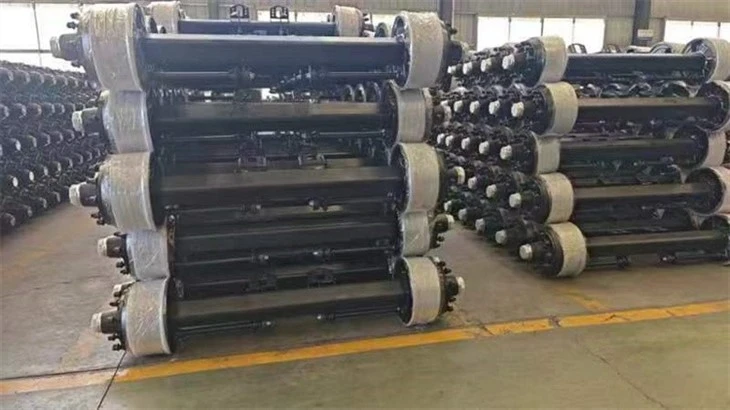
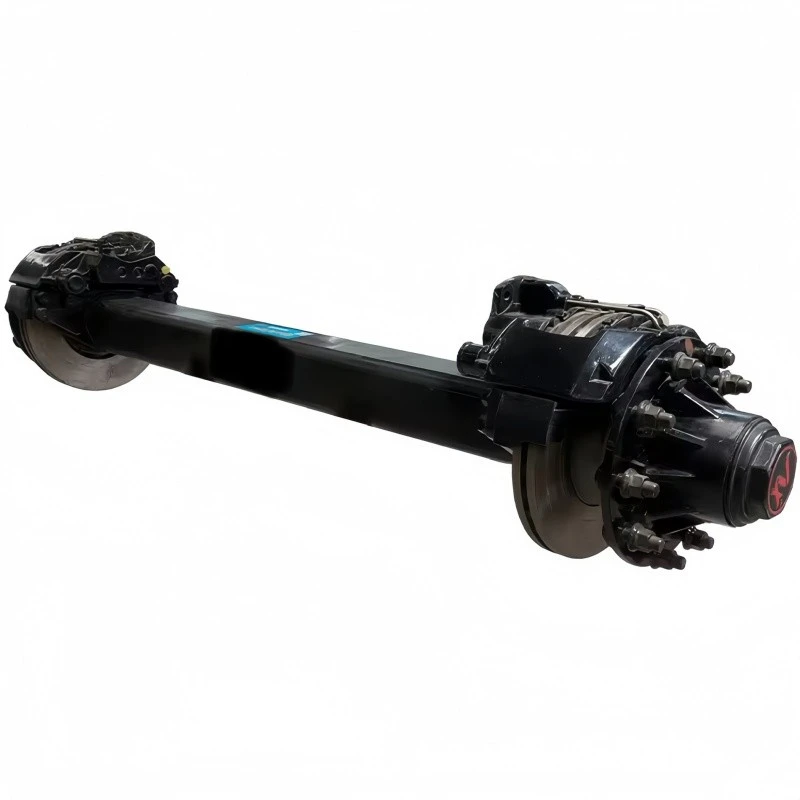
Disc - Brake Axle is another type of axle. While disc brakes and drum brakes are different in design, there are situations where a vehicle may have a combination of both. In such cases, the drum brake bridge needs to be designed to work in harmony with the disc - brake axle. This may involve considerations such as the overall braking balance between the front disc brakes and the rear drum brakes.
Hydraulic Steering Axle is also an important component in some vehicles. When a drum brake bridge is used in conjunction with a hydraulic steering axle, the design needs to account for the space constraints and the potential interference with the steering mechanism. The brake bridge should not impede the smooth movement of the steering axle, and at the same time, it should be securely mounted to provide reliable braking.
Maintenance Requirements
The maintenance requirements of different drum brake bridges can vary widely. Drum brake bridges with simple designs and organic friction materials generally require more frequent maintenance. The organic friction material wears out faster, and the brake shoes need to be replaced more often. Additionally, the drums may need to be resurfaced to ensure a smooth contact surface for the brake shoes.
Drum brake bridges with ceramic friction materials, on the other hand, require less frequent maintenance. The long - lasting nature of the ceramic material means that the brake shoes can last for a longer time. However, if maintenance is required, it can be more expensive due to the higher cost of the ceramic components.
The ease of access to the brake components also affects maintenance. Some drum brake bridge designs allow for easy removal and replacement of the brake shoes and drums, which can save time and labor costs during maintenance. Other designs may be more complex, requiring specialized tools and more technical expertise to perform maintenance.
Cost
Cost is always a significant factor when considering different drum brake bridges. The cost is influenced by several factors, including the materials used, the manufacturing process, and the level of performance. Drum brake bridges made from high - strength steel or those with advanced features like multi - piece drums and ceramic friction materials are generally more expensive. These are often used in high - end or heavy - duty applications where the cost is justified by the performance and durability requirements.
Budget - friendly drum brake bridges, on the other hand, are typically made from less expensive materials and have simpler designs. They are suitable for vehicles with lower performance requirements or for applications where cost is a major concern.
In conclusion, the differences between various drum brake bridges are significant and cover aspects such as design, braking performance, compatibility with axles, maintenance requirements, and cost. As a supplier, I understand the importance of providing the right drum brake bridge for each customer's specific needs. Whether you are a vehicle manufacturer looking for high - performance components or an end - user in need of a reliable replacement part, we have the expertise and product range to meet your requirements. If you are interested in purchasing drum brake bridges or have any questions about our products, please feel free to reach out to us for a detailed discussion and a customized solution.
References
- Automotive Brake Systems Handbook, Various Authors
- Engineering Principles of Vehicle Braking, John C. Dixon


