

Hey there! I'm a supplier of drum brake bridges, and today I wanna have an open and honest chat about the disadvantages of drum brake bridges. It's important to understand both the good and the bad about the products we offer, right? So, let's dive in.
Heat Dissipation Issues
One of the major drawbacks of drum brake bridges is their poor heat dissipation. When you're using the brakes, friction is generated between the brake shoes and the drum. This friction converts kinetic energy into heat. In a drum brake system, the drum encloses the brake shoes, creating a somewhat sealed environment. This means that the heat generated during braking has a hard time escaping.
As the temperature rises, the brake components can start to experience thermal expansion. This expansion can lead to a change in the brake's performance. For example, the brake shoes might not make proper contact with the drum, resulting in reduced braking efficiency. In extreme cases, if the heat builds up too much, it can even cause the brake fluid to boil. When this happens, you'll experience a spongy brake pedal and a significant decrease in braking power.
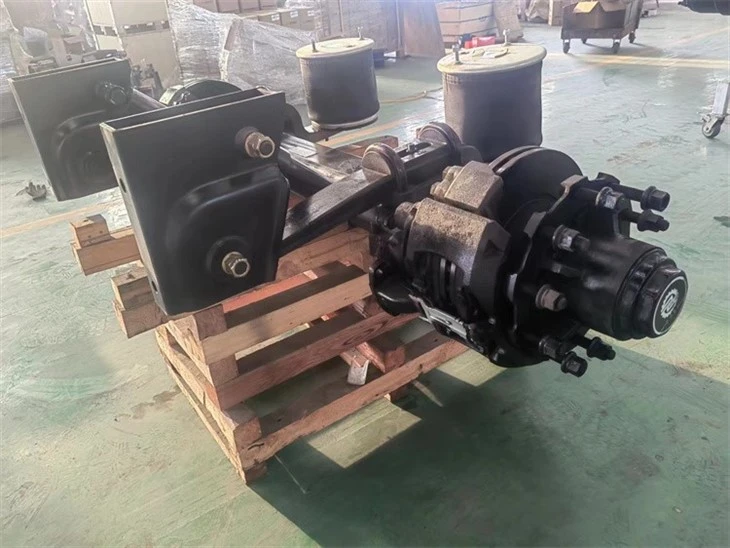
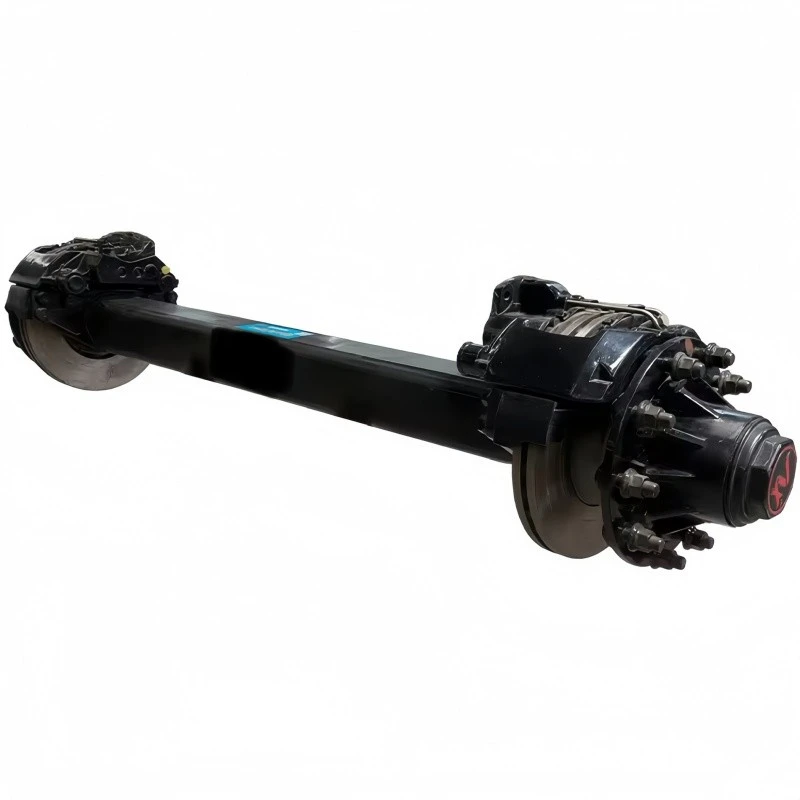
In comparison, Disc-Brake Axle systems have a much better heat dissipation design. The discs are exposed to the air, allowing the heat to radiate away more quickly. This helps to maintain consistent braking performance even under heavy use.
Maintenance Challenges
Maintaining drum brake bridges can be a real pain in the neck. Unlike disc brakes, which are relatively easy to access and inspect, drum brakes are hidden inside the drum. This means that you have to remove the drum to get a good look at the brake shoes, springs, and other components.
The process of removing and reinstalling the drum can be time-consuming and requires some mechanical know-how. You need to be careful not to damage the brake components during the removal process. Additionally, the springs in drum brakes can be quite tricky to work with. They are under a lot of tension, and if not handled properly, they can fly out and cause injury.
Another maintenance issue is the accumulation of brake dust. Since the drum encloses the brake shoes, the dust generated during braking tends to stay inside the drum. Over time, this dust can build up and affect the performance of the brakes. It can cause the brake shoes to wear unevenly and reduce the friction between the shoes and the drum.
On the other hand, Disc Brake Axl systems are much easier to maintain. The discs are visible, and you can easily check the thickness of the brake pads. If the pads are worn out, they can be replaced quickly without having to remove a lot of components.
Water and Contaminant Resistance
Drum brake bridges are not very good at dealing with water and contaminants. When water gets inside the drum, it can reduce the friction between the brake shoes and the drum. This can lead to a loss of braking power, especially in wet conditions. For example, if you drive through a puddle or in heavy rain, the brakes might not work as effectively as they should.
Contaminants such as dirt, mud, and road salt can also find their way into the drum. These contaminants can cause corrosion and wear on the brake components. They can also interfere with the proper operation of the brake shoes and springs.
In contrast, disc brake systems are more resistant to water and contaminants. The open design of the discs allows water to drain off quickly, and the contaminants are less likely to accumulate. This makes disc brakes a better choice for vehicles that are frequently driven in wet or dirty conditions.
Performance Under Heavy Loads
When it comes to heavy loads, drum brake bridges can struggle to provide the same level of performance as disc brakes. As the load on the vehicle increases, the braking force required also increases. Drum brakes have a limited surface area for the brake shoes to make contact with the drum. This means that they can become overwhelmed when trying to stop a heavy vehicle.
Under heavy loads, the heat generated during braking can be even more of a problem. The drum brake system might not be able to dissipate the heat quickly enough, leading to a decrease in braking performance. This can be a serious safety issue, especially when driving on steep hills or in traffic.
Hydraulic Steering Axle systems often work in conjunction with disc brakes to provide better performance under heavy loads. The hydraulic system can provide additional braking force, and the disc brakes can handle the heat more effectively.
Cost Considerations in the Long Run
While drum brake bridges are generally cheaper to manufacture and purchase initially, the long-term costs can be higher. As we've discussed, the maintenance requirements for drum brakes are more complex and time-consuming. This means that you'll likely spend more on labor and parts over the life of the vehicle.
The reduced performance of drum brakes can also lead to increased wear and tear on other components of the vehicle. For example, if the brakes are not working properly, the tires might wear unevenly, and the suspension system might be put under more stress. This can result in additional repair costs down the line.
In comparison, disc brakes, although more expensive upfront, can save you money in the long run. Their better performance and lower maintenance requirements mean that you'll spend less on repairs and replacements over time.
Conclusion
So, there you have it – the disadvantages of drum brake bridges. As a supplier, I know that it's not always easy to talk about the downsides of our products, but it's important to be transparent with our customers. While drum brakes have their place, especially in some older or less demanding applications, they do have some significant limitations.
If you're in the market for a braking system, I encourage you to consider Disc-Brake Axle, Hydraulic Steering Axle, or Disc Brake Axl systems. They offer better performance, easier maintenance, and greater reliability, especially in modern vehicles and heavy-duty applications.
If you have any questions or are interested in discussing your braking needs further, feel free to reach out. I'm here to help you make the best decision for your vehicle. Let's have a chat and see how we can work together to find the right solution for you.
References
- Automotive Braking Systems Handbook
- Brake System Design and Analysis Textbooks