

Hey there! As an axle supplier, I've seen firsthand the benefits of using an axle locker in various vehicles. Axle lockers are great for enhancing traction, especially in off - road conditions or when you're dealing with uneven terrains. But like any other automotive component, they come with their fair share of drawbacks. In this blog, I'm gonna break down some of the main issues you might face when using an axle locker.
1. Reduced Maneuverability
One of the most noticeable drawbacks of an axle locker is the significant reduction in maneuverability. When the axle is locked, both wheels on the axle rotate at the same speed. This is fine when you're going straight, but when it comes to turning, it becomes a real headache.
Let's say you're trying to make a sharp turn on a paved road. Normally, the outer wheel needs to travel a greater distance than the inner wheel during a turn. With an unlocked axle, the differential allows the wheels to rotate at different speeds to accommodate this. However, when the axle is locked, both wheels are forced to turn at the same speed. This results in what's called "wheel scrubbing." You'll feel the tires dragging and scrubbing against the road surface, making the vehicle harder to turn and putting extra stress on the tires, suspension, and steering components.
This reduced maneuverability can also be a safety hazard. In emergency situations where you need to make a quick turn, the locked axle can limit your ability to react effectively. You might find it difficult to navigate through tight spaces or around obstacles, increasing the risk of an accident.
2. Increased Tire Wear
As I mentioned earlier, wheel scrubbing caused by the locked axle leads to increased tire wear. When the tires are forced to drag during turns, the tread on the tires wears down much faster than normal. This not only shortens the lifespan of your tires but also affects their performance.
Worn - out tires have reduced grip, which can be dangerous, especially in wet or slippery conditions. You'll need to replace your tires more frequently, which can be a significant expense over time. Additionally, uneven tire wear can also cause vibrations and handling issues, making your driving experience less comfortable.
If you're using an axle locker regularly, you should expect to see a noticeable difference in the tread depth of your tires compared to when you're using an unlocked axle. It's important to keep an eye on your tire wear and replace them when necessary to maintain safety and performance.
3. Higher Fuel Consumption
Another drawback of using an axle locker is the increase in fuel consumption. When the axle is locked, the engine has to work harder to overcome the additional resistance caused by the locked wheels. The wheel scrubbing and the extra stress on the drivetrain components require more power from the engine, which means burning more fuel.
In normal driving conditions, the differential allows the wheels to rotate freely, minimizing the energy loss. But with a locked axle, the drivetrain becomes less efficient. You'll notice that your vehicle's fuel economy takes a hit, especially if you're using the axle locker for extended periods or in situations where you're constantly turning.
For those who are conscious about their fuel costs or are trying to be more environmentally friendly, this increased fuel consumption can be a major concern. It's something to consider before deciding to use an axle locker on a regular basis.
4. Drivetrain Stress
The locked axle puts a lot of stress on the drivetrain components, including the axles, differential, driveshafts, and transmission. The constant equal - speed rotation of the wheels during turns creates additional torque and forces that the drivetrain has to handle.
Over time, this extra stress can lead to premature wear and damage to these components. You might experience issues such as broken axles, damaged differentials, or worn - out driveshaft joints. Repairing or replacing these drivetrain components can be expensive and time - consuming.
If you're using an axle locker in extreme off - road conditions, the stress on the drivetrain is even more pronounced. The rough terrain and large obstacles can further exacerbate the problem, increasing the risk of drivetrain failure. It's important to have your drivetrain inspected regularly if you're using an axle locker to catch any potential issues early.
5. Limited Use in Certain Conditions
Axle lockers are designed mainly for off - road use or situations where maximum traction is required. In normal on - road driving, they're not really necessary and can actually cause more problems than they solve.
On paved roads, the drawbacks of using an axle locker, such as reduced maneuverability and increased tire wear, outweigh the benefits. You'll have a much smoother and more efficient driving experience with an unlocked axle. Even in some light off - road situations, like driving on a gravel road, an axle locker might not be needed.
This limited use means that if you're only using an axle locker occasionally, you might not be getting the full value for your investment. You'll have to balance the cost of the axle locker and the potential damage to your vehicle against the rare situations where you actually need it.
6. Compatibility Issues
When considering an axle locker, you also need to think about compatibility issues. Not all vehicles are designed to work with an axle locker. You need to make sure that your vehicle's drivetrain, suspension, and other components can handle the additional stress and forces that come with a locked axle.
Some older vehicles or vehicles with specific drivetrain configurations might not be suitable for an axle locker. Installing an incompatible axle locker can lead to serious problems, such as drivetrain failure or damage to other components. You might also need to make modifications to your vehicle, such as upgrading the suspension or brakes, to ensure proper operation.
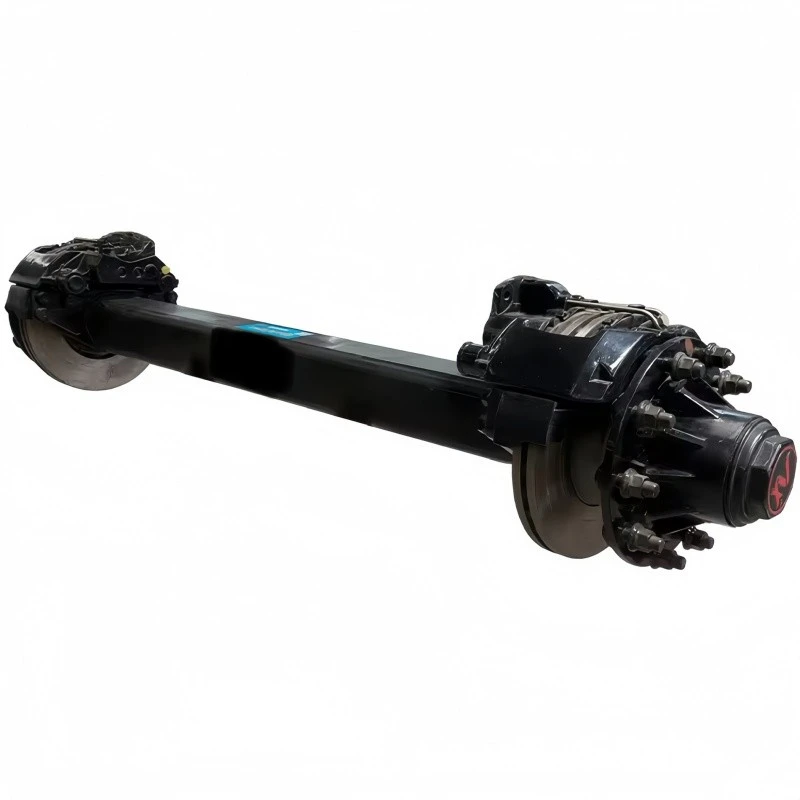
For example, if you're looking for a more advanced axle option, our Disc - Brake Axle or Hydraulic Steering Axle might be a better fit for your needs. These axles are designed to offer improved performance and compatibility in various applications. Our Disc Brake Axl is another option that combines the benefits of disc brakes with a reliable axle design.
Despite these drawbacks, axle lockers can still be a valuable addition to your vehicle if used correctly. They provide excellent traction in challenging off - road conditions, allowing you to tackle steep hills, mud, and rocks with ease. But it's important to be aware of the potential issues and take steps to mitigate them.
If you're still interested in learning more about axles or are thinking about purchasing an axle for your vehicle, don't hesitate to reach out. We're here to help you make an informed decision and find the best axle solution for your needs. Whether you're an off - road enthusiast or a professional in the automotive industry, we can provide you with the expertise and products you need. Contact us today to start the conversation about your axle requirements.
References
- Smith, J. (2020). Automotive Drivetrain Systems: Principles and Applications. Publisher Name.
- Johnson, A. (2019). Off - Road Vehicle Modifications: A Comprehensive Guide. Another Publisher.


