

Hey there! As a supplier of trailer axles, I often get asked about the cost of a new trailer axle. It's a question that doesn't have a one - size - fits - all answer because there are so many factors at play. In this blog, I'll break down the different elements that influence the cost and give you a better understanding of what to expect when you're in the market for a new trailer axle.
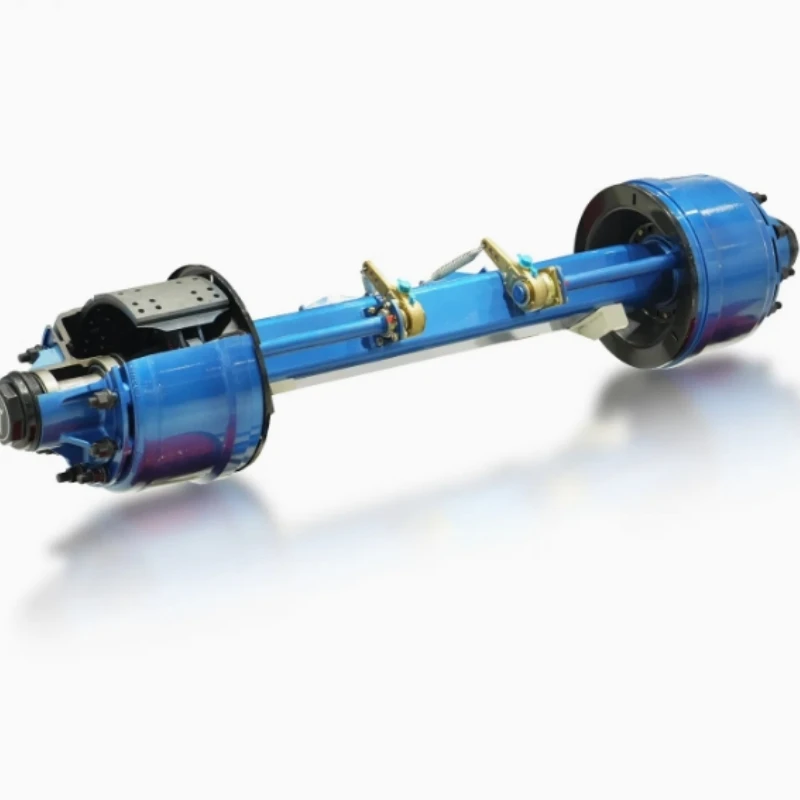
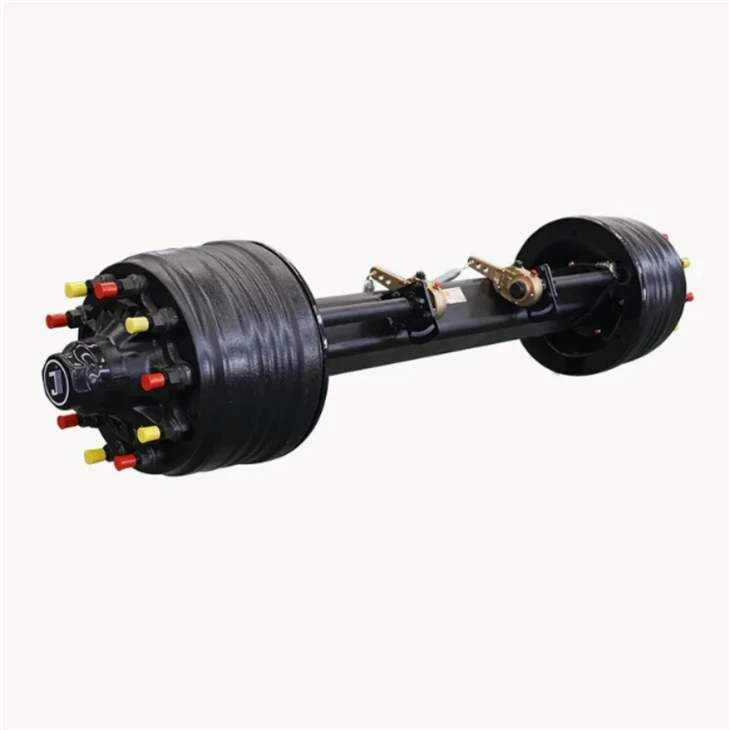
Let's start with the type of axle. There are various types out there, each designed for different purposes and loads. For example, the Lowbed Series Axle is built for heavy - duty applications. These axles are designed to carry large and heavy loads, often used in industrial and construction settings. The design and construction of lowbed series axles require high - quality materials and advanced manufacturing techniques. The cost of these axles is relatively high because of the specialized engineering and the heavy - duty components. They need to be able to withstand extreme stress and weight, so the materials used, like high - strength steel, add to the cost.
On the other hand, the German Style Axle is known for its precision engineering and high - end features. German engineering has a reputation for quality and reliability, and these axles are no exception. They often come with advanced braking systems, better suspension capabilities, and more precise alignment. All these features contribute to a higher cost. However, the long - term benefits, such as reduced maintenance and increased safety, can make them a worthwhile investment for those who can afford them.
Then we have the 10T Lightweight Axle. These axles are designed for applications where weight is a concern. They are made from lighter materials without sacrificing too much strength. The use of lightweight materials, like aluminum alloys in some parts, helps in reducing the overall weight of the trailer. This can lead to better fuel efficiency. The cost of these axles is generally lower compared to heavy - duty axles, but they still need to meet certain quality and safety standards, which also affect the price.
Another major factor in the cost of a trailer axle is the load capacity. Axles with higher load capacities are more expensive. A trailer that needs to carry a large amount of weight requires an axle that can handle the stress. To achieve this, the axle needs to be made of stronger materials and have a more robust design. For example, an axle designed to carry 20 tons will cost more than one designed for a 5 - ton load. The manufacturing process for high - capacity axles is also more complex, involving more precise machining and quality control measures.
The brand of the axle also plays a role in the cost. Well - known brands that have a reputation for quality and reliability usually charge more for their products. They have invested a lot in research and development, and their products often come with better warranties and after - sales support. However, there are also lesser - known brands that offer good - quality axles at a lower price. It's important to do your research and read reviews to find out which brand offers the best value for your money.
The features and accessories of the axle can also add to the cost. Some axles come with advanced braking systems, such as disc brakes, which are more effective and reliable than traditional drum brakes. These advanced braking systems cost more to manufacture and install. Suspension systems are another factor. Axles with better suspension can provide a smoother ride and reduce wear and tear on the trailer. However, these high - end suspension systems also increase the price of the axle.
When it comes to the manufacturing process, axles made using more advanced and precise manufacturing techniques will cost more. For example, axles that are precision - machined have a better fit and finish, which can improve performance and durability. The use of automated manufacturing processes can also increase the cost, but it often results in a more consistent and high - quality product.
Now, let's talk about market conditions. The cost of raw materials, such as steel and aluminum, can fluctuate based on market demand and supply. If there is a high demand for these materials in other industries, the price of the raw materials used to make trailer axles will go up, and this will be reflected in the cost of the axles. Additionally, labor costs in the manufacturing location can also affect the price. Axles manufactured in regions with higher labor costs will generally be more expensive.
In terms of pricing ranges, a basic, low - capacity trailer axle might cost anywhere from a few hundred dollars to a couple of thousand dollars. For example, a simple 5 - ton axle from a less - known brand with basic features could be on the lower end of the price range. On the other hand, a high - capacity, high - end axle from a well - known brand with advanced features, like a German - style axle for heavy - duty applications, could cost several thousand dollars or even more.
If you're thinking about purchasing a new trailer axle, it's important to consider your specific needs. Don't just go for the cheapest option, as it might not be the best in the long run. Think about the load capacity you need, the features that are important to you, and your budget.
If you're in the market for a new trailer axle, I'd love to have a chat with you. I can help you find the right axle for your specific requirements and give you a detailed quote. Whether you need a Lowbed Series Axle, a German Style Axle, or a 10T Lightweight Axle, I've got you covered. Just reach out, and we can start the conversation about getting you the best trailer axle for your needs.
References:
- Industry knowledge and experience as a trailer axle supplier
- General market research on trailer axle manufacturing and pricing trends


