

As an axle supplier deeply entrenched in the automotive and industrial sectors, I've witnessed firsthand the pivotal role that axle alignment plays in the performance, safety, and longevity of vehicles and machinery. Axle alignment is not just a technical detail; it's a fundamental aspect that impacts every aspect of a vehicle's operation. In this blog, I'll delve into the importance of axle alignment, drawing on my experience as an industry insider and sharing insights that are crucial for anyone involved in the transportation and heavy machinery fields.
Understanding Axle Alignment
Before we explore its importance, let's understand what axle alignment entails. Axle alignment refers to the adjustment of the axles so that the wheels are perpendicular to the ground and parallel to each other. This precise positioning ensures that the vehicle moves smoothly in a straight line and that all four wheels work in harmony. There are several key parameters involved in axle alignment, including camber, caster, and toe. Camber is the tilt of the wheel from the vertical when viewed from the front of the vehicle. Caster is the angle of the steering axis when viewed from the side. Toe refers to the angle at which the wheels point inward or outward when viewed from above.

Safety First: The Impact of Axle Alignment on Road Safety
One of the most critical aspects of axle alignment is its direct impact on road safety. Misaligned axles can cause a vehicle to pull to one side, making it difficult for the driver to maintain control, especially at high speeds or in adverse weather conditions. This pulling can also lead to uneven tire wear, which further compromises the vehicle's handling and braking performance. In extreme cases, misaligned axles can contribute to tire blowouts, which are extremely dangerous and can result in serious accidents.
Proper axle alignment ensures that the vehicle responds predictably to steering inputs, reducing the risk of accidents caused by sudden or unexpected movements. It also helps to maintain optimal tire contact with the road surface, improving traction and braking efficiency. This is particularly important in emergency situations, where every fraction of a second can make a difference.
Extending Tire Life: A Cost-Effective Solution
Tire wear is a significant expense for vehicle owners and operators. Misaligned axles can cause tires to wear unevenly, leading to premature replacement. When the wheels are not properly aligned, some parts of the tire bear more weight and friction than others, resulting in faster wear on those areas. This not only shortens the lifespan of the tires but also affects the vehicle's fuel efficiency, as unevenly worn tires create more rolling resistance.
By ensuring proper axle alignment, you can significantly extend the life of your tires. When the wheels are aligned correctly, the tires wear evenly, maximizing their tread life and reducing the frequency of replacements. This not only saves money on tire costs but also reduces the environmental impact associated with tire production and disposal.
Improving Fuel Efficiency: Saving Money and the Environment
Fuel efficiency is a major concern for both individual vehicle owners and fleet operators. Misaligned axles can increase rolling resistance, which means the engine has to work harder to move the vehicle forward. This results in higher fuel consumption and increased emissions. According to industry studies, improper axle alignment can reduce fuel efficiency by up to 10%.
Proper axle alignment reduces rolling resistance by ensuring that the wheels roll smoothly and evenly. This allows the engine to operate more efficiently, consuming less fuel and producing fewer emissions. Over time, these savings can add up significantly, especially for large fleets. In addition to the financial benefits, improved fuel efficiency also contributes to a cleaner environment by reducing the carbon footprint of the transportation sector.
Enhancing Vehicle Performance: A Smooth and Comfortable Ride
Axle alignment also has a significant impact on the overall performance and comfort of the vehicle. Misaligned axles can cause vibrations, noise, and a rough ride, which can be uncomfortable for passengers and increase driver fatigue. These vibrations can also cause damage to other components of the vehicle, such as the suspension system and steering mechanism.
Proper axle alignment ensures a smooth and stable ride by minimizing vibrations and reducing noise. It also improves the handling and responsiveness of the vehicle, making it easier to drive and more enjoyable for passengers. This is particularly important for luxury vehicles and long-haul trucks, where driver comfort and vehicle performance are crucial.
Our Axle Solutions: Ensuring Optimal Alignment
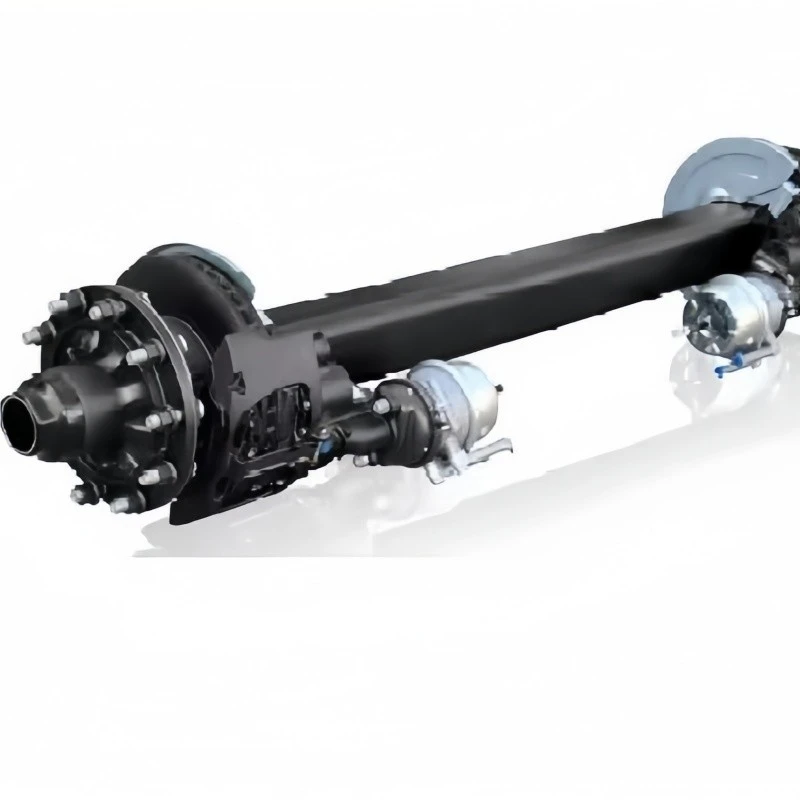
As an axle supplier, we understand the importance of providing high-quality axles that are designed to maintain proper alignment. Our product range includes Disc-Brake Axle, High Quality German Axle, and Hydraulic Steering Axle, each engineered to meet the specific needs of different applications.
Our Disc-Brake Axle offers superior braking performance and durability, making it ideal for heavy-duty vehicles and trailers. The high-quality German Axle is known for its precision engineering and reliability, ensuring optimal alignment and performance. Our Hydraulic Steering Axle provides smooth and responsive steering, enhancing the maneuverability of the vehicle.
Conclusion: The Importance of Regular Axle Alignment Checks
In conclusion, axle alignment is a critical aspect of vehicle maintenance that should not be overlooked. It plays a vital role in ensuring road safety, extending tire life, improving fuel efficiency, and enhancing vehicle performance. As an axle supplier, we are committed to providing our customers with the highest quality axles and supporting them in maintaining proper alignment.
We recommend regular axle alignment checks as part of your vehicle maintenance routine. This will help to identify and correct any alignment issues before they cause serious problems. If you have any questions about axle alignment or our products, please do not hesitate to contact us. We are here to help you make the right choices for your vehicles and machinery.
References
- SAE International. (2023). Vehicle Dynamics and Control.
- Tire Industry Association. (2023). Tire Maintenance and Safety Guidelines.
- Federal Highway Administration. (2023). Commercial Vehicle Safety Research.


