

As a leading supplier of lifting air suspension systems, I often receive inquiries regarding the recommended inflation pressure for these crucial components. Understanding the appropriate inflation pressure is vital for ensuring optimal performance, safety, and longevity of the air suspension. In this blog post, I'll delve into the factors that influence the recommended inflation pressure and provide guidance to help you make informed decisions.
Understanding Lifting Air Suspension
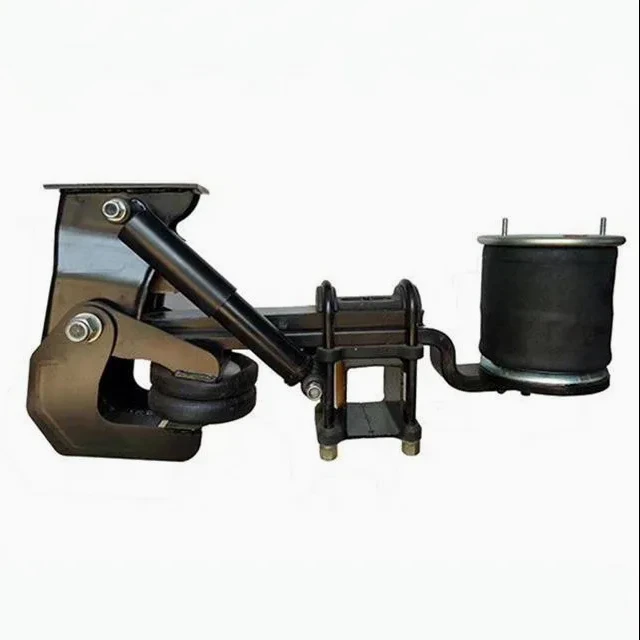
Before we discuss inflation pressure, let's briefly review what lifting air suspension is and its functions. Lifting air suspension is a type of suspension system that uses air springs to support the vehicle's weight and provide a smooth ride. It is commonly used in commercial vehicles, trailers, and heavy machinery. The main advantage of air suspension is its ability to adjust the ride height and stiffness by changing the air pressure in the air springs.
Our company offers a wide range of lifting air suspension products, including Air Suspension, Heavy Machinery Suspension, and Air Suspension With Guide Arm. These products are designed to meet the diverse needs of our customers and provide reliable performance in various applications.
Factors Affecting Recommended Inflation Pressure
Several factors influence the recommended inflation pressure for lifting air suspension. Understanding these factors is essential for determining the appropriate pressure for your specific application.
Vehicle Load
The vehicle load is one of the most significant factors affecting the inflation pressure. As the load on the vehicle increases, the air pressure in the air springs must also increase to support the additional weight. Overloading the vehicle without increasing the air pressure can lead to excessive sagging, reduced ride quality, and potential damage to the suspension system.
To determine the appropriate inflation pressure based on the vehicle load, you can refer to the manufacturer's guidelines or use a load capacity chart. These resources provide recommended pressure settings for different load levels. It's important to note that the inflation pressure should be adjusted whenever the vehicle load changes significantly.
Ride Height
The ride height is another crucial factor that affects the inflation pressure. The ride height refers to the distance between the ground and a specific point on the vehicle, such as the frame or axle. Maintaining the correct ride height is essential for ensuring proper vehicle handling, stability, and clearance.
If the ride height is too low, the vehicle may scrape the ground or experience reduced ground clearance, which can lead to damage to the undercarriage. On the other hand, if the ride height is too high, the vehicle may become unstable and difficult to control.
To adjust the ride height, you can increase or decrease the air pressure in the air springs. The recommended inflation pressure for a specific ride height can be found in the vehicle's owner's manual or the air suspension system's installation instructions.
Road Conditions
The road conditions also play a role in determining the recommended inflation pressure. When driving on rough or uneven roads, a higher inflation pressure may be required to provide a more stable and comfortable ride. The increased pressure helps to absorb the shocks and vibrations caused by the uneven surface.
Conversely, when driving on smooth roads, a lower inflation pressure may be sufficient to provide a smooth and comfortable ride. A lower pressure allows the air springs to flex more easily, providing better shock absorption.
Tire Pressure
The tire pressure is closely related to the inflation pressure of the air suspension. Maintaining the correct tire pressure is essential for ensuring proper vehicle handling, traction, and tire wear.
The recommended tire pressure can be found on the tire sidewall or in the vehicle's owner's manual. It's important to note that the tire pressure should be checked regularly and adjusted as needed to ensure optimal performance.
Recommended Inflation Pressure Guidelines
While the specific recommended inflation pressure for lifting air suspension depends on the factors mentioned above, there are some general guidelines that can help you determine the appropriate pressure.
Start with the Manufacturer's Recommendations
The first step in determining the recommended inflation pressure is to refer to the manufacturer's guidelines. The manufacturer provides specific pressure settings based on the vehicle's make, model, and load capacity. These recommendations are typically found in the vehicle's owner's manual or the air suspension system's installation instructions.

Conduct a Load Test
If the manufacturer's recommendations are not available or if you need to adjust the inflation pressure for a specific load, you can conduct a load test. To perform a load test, follow these steps:
- Park the vehicle on a level surface and engage the parking brake.
- Measure the ride height at the front and rear of the vehicle using a tape measure or a ride height gauge.
- Add the desired load to the vehicle and distribute it evenly.
- Measure the ride height again and compare it to the initial measurement.
- Adjust the air pressure in the air springs until the ride height is within the recommended range.
Monitor and Adjust Regularly
Once you have determined the appropriate inflation pressure, it's important to monitor and adjust it regularly. The inflation pressure can change over time due to factors such as temperature, air leakage, and vehicle usage.
To ensure optimal performance, check the inflation pressure at least once a month or before each long trip. Use a reliable air pressure gauge to measure the pressure and adjust it as needed to maintain the recommended level.
Benefits of Maintaining the Correct Inflation Pressure
Maintaining the correct inflation pressure for your lifting air suspension offers several benefits, including:
- Improved Ride Quality: The correct inflation pressure helps to absorb the shocks and vibrations caused by the road surface, providing a smoother and more comfortable ride.
- Enhanced Vehicle Handling: Properly inflated air springs ensure optimal vehicle handling, stability, and control. This is especially important when driving at high speeds or in challenging road conditions.
- Increased Tire Life: Maintaining the correct inflation pressure helps to distribute the vehicle's weight evenly across the tires, reducing tire wear and extending their lifespan.
- Reduced Suspension Wear: By providing the necessary support and cushioning, the correct inflation pressure helps to reduce stress on the suspension components, extending their lifespan and reducing the risk of premature failure.
- Improved Fuel Efficiency: A properly inflated air suspension system can help to reduce rolling resistance, which can lead to improved fuel efficiency and lower operating costs.
Conclusion
Determining the recommended inflation pressure for lifting air suspension is a critical aspect of maintaining optimal vehicle performance, safety, and longevity. By considering factors such as vehicle load, ride height, road conditions, and tire pressure, you can ensure that your air suspension system is operating at its best.
As a leading supplier of lifting air suspension systems, we are committed to providing our customers with high-quality products and expert advice. If you have any questions or need assistance in determining the appropriate inflation pressure for your specific application, please don't hesitate to contact us. We look forward to helping you find the best solution for your lifting air suspension needs and welcome you to engage in procurement discussions to meet your requirements.
References
- SAE International. (Year). Recommended Practice for Air Suspension Systems.
- Vehicle Manufacturer's Owner's Manuals.
- Air Suspension System Installation Instructions.