

Alright, folks! As a supplier of axle axle heads, I'm stoked to chat with you about the materials commonly used for these crucial parts. Axle axle heads play a super important role in the whole mechanical system, and choosing the right material is key to ensuring its performance and durability.
First off, let's talk about steel. Steel is hands - down one of the most widely used materials for axle axle heads. There are different types of steel that fit the bill. Carbon steel is a popular pick. It's got high strength and good toughness, which means it can withstand a good amount of stress and wear. Whether it's in a heavy - duty truck, a big trailer, or even some industrial machinery, carbon - steel axle heads are up for the job. It can handle the constant movement, the weight of the load, and the various forces acting on it without breaking down easily.
Alloy steel is another great option. Alloy steel is basically carbon steel with some other elements added like chromium, nickel, and molybdenum. These extra elements give it enhanced properties. For instance, the addition of chromium can improve its corrosion resistance, which is a big deal if the axle heads are going to be exposed to harsh environments, like in marine applications or regions with a lot of road salt. The alloying also boosts its hardenability, making the axle heads harder and more resistant to abrasion. This type of steel is often used in high - performance vehicles or in machinery that operates under extreme conditions.
Now, moving on to ductile iron. Ductile iron has some really cool properties that make it a good candidate for axle axle heads. It has excellent ductility, which means it can deform under stress without cracking. This is a huge advantage as it allows the axle head to absorb energy and adapt to different loads. Compared to some other materials, ductile iron is relatively easy to cast into complex shapes. This is great because axle axle heads often have specific designs to fit different vehicle or machinery components. And let's not forget that it's cost - effective. In some applications where cost is a major concern, ductile iron can provide a good balance between performance and affordability.

Cast steel is also on the list. Cast steel combines the good points of both casting and the properties of steel. It can be cast into precise shapes, which is important for getting the right fit in the system. And it retains the strength and toughness that we associate with steel. Cast steel axle heads are commonly used in large - scale industrial equipment and heavy - duty vehicles, where reliability and strength are non - negotiable.
There's also aluminum alloy. Aluminum alloy is light - weight, which is a game - changer in many industries, especially automotive. By using aluminum alloy axle heads, vehicle manufacturers can reduce the overall weight of the vehicle. This leads to better fuel efficiency and can also improve the handling of the vehicle. Although it's not as strong as steel in terms of pure strength, modern aluminum alloys have been engineered to have pretty good strength - to - weight ratios. They're also resistant to corrosion, which is an added bonus for keeping the axle heads in good condition over time.
When it comes to choosing the right material for an axle axle head, there are several factors to think about. The application is the number one thing. If it's for a light passenger car, aluminum alloy might be a great choice because of the weight - saving benefits. But if it's for a semi - trailer hauling tons of goods across the country, steel or ductile iron would probably be more appropriate due to the high - load requirements.
The environment is also a major consideration. As I mentioned before, if the axle heads will be in a corrosive environment, materials like alloy steel with corrosion - resistant elements or cast steel with good corrosion - prevention treatments will be needed. The cost is a practical factor. Not everyone can afford high - end alloys all the time, so finding a material that gives the best performance within a reasonable budget is crucial.
Now, let me talk a bit about some related products that we also have as an axle head supplier. We offer a wide range of trailer accessories to complement our axle axle heads. For instance, we have the Semi Trailer 90 Prefabricated Kingpin. This kingpin is an essential part for semi - trailers, ensuring a secure connection between the trailer and the tractor. It's made with high - quality materials to guarantee long - term reliability.
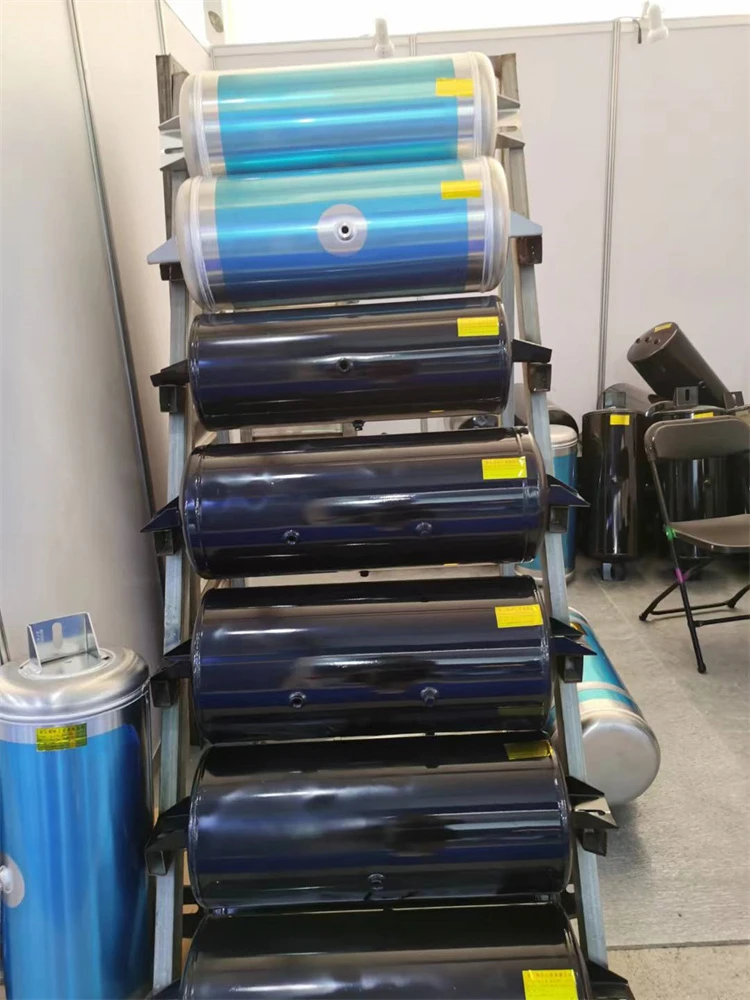
We also have Axle Brake Pads. These brake pads are designed to work in harmony with the axle axle heads. They are made from top - notch friction materials to provide reliable braking performance. And last but not least, our Air Brake Tanks are a key part of the air braking system. They are built to store and supply compressed air efficiently, which is vital for the proper operation of the brakes.
If you're in the market for axle axle heads or any of these related trailer accessories, I'd love to have a chat with you. Whether you have questions about the materials, the product specifications, or just want some advice on what would be the best fit for your particular application, don't hesitate to reach out. I'm here to help you make the right choice and get the best products for your needs.
In conclusion, the choice of material for axle axle heads depends on a variety of factors, and each of the materials - steel, ductile iron, cast steel, or aluminum alloy - has its own unique selling points. As a supplier, we do our best to provide high - quality axle axle heads made from the right materials to meet different customer requirements. And with our other trailer accessories, we aim to offer a one - stop solution for your vehicle and machinery parts needs. So, if you're interested, let's start that conversation and see how we can work together!
References
- "Materials Science and Engineering: An Introduction" by William D. Callister
- Journals of Automotive and Mechanical Engineering related to axle materials research.


