

In the realm of trailer accessories, the question of compatibility is a crucial one for both manufacturers and end - users. As a supplier of external support legs, I've encountered numerous inquiries regarding whether these support legs are compatible with other accessories. In this blog, we'll delve into this topic, exploring the key factors and providing insights to help you make informed decisions.
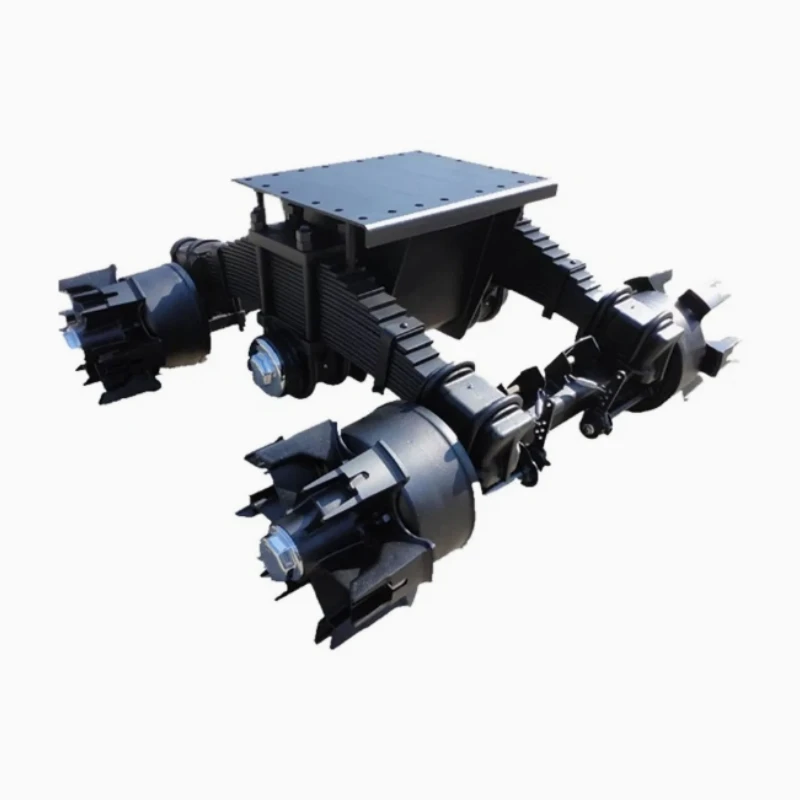

Understanding External Support Legs
External support legs play a vital role in trailers. They provide additional stability, especially when the trailer is parked or during loading and unloading operations. These legs are designed to bear a significant amount of weight, ensuring the safety of the trailer and its contents. They come in various sizes, load - bearing capacities, and designs to meet different trailer requirements.
Compatibility with Single Point Suspension
Single Point Suspension is a popular choice for trailers, known for its ability to provide a smooth ride and excellent load - distribution capabilities. When it comes to the compatibility of external support legs with single point suspension systems, several factors need to be considered.
Firstly, the installation process is a key aspect. External support legs should be installed in a way that does not interfere with the operation of the single point suspension. The mounting points of the support legs need to be carefully selected to ensure that they do not put excessive stress on the suspension components. For example, if the support legs are installed too close to the single point suspension pivot, it could affect the suspension's ability to flex and absorb shocks.
Secondly, the weight distribution is crucial. The external support legs, when in use, should not disrupt the balanced weight distribution that the single point suspension is designed to achieve. If the support legs are over - tightened or if they are not properly adjusted, they could cause uneven weight distribution, leading to premature wear and tear of the suspension components.
In most cases, modern external support legs are designed with a certain degree of flexibility to be compatible with single point suspension systems. However, it is always recommended to consult the manufacturers of both the support legs and the single point suspension to ensure proper installation and compatibility. For more information on single point suspension, you can visit Single Point Suspension.
Compatibility with Landing Gear
Landing gear is another essential accessory for trailers, used to support the front end of the trailer when it is detached from the tractor. The relationship between external support legs and landing gear is an interesting one.
One of the main considerations is the functionality. External support legs and landing gear serve different purposes, but they can work in tandem in some situations. For example, when a trailer is parked on an uneven surface, the external support legs can be used in conjunction with the landing gear to provide additional stability.
However, there are also potential conflicts. If the external support legs are installed in a way that obstructs the operation of the landing gear, it can cause problems. For instance, if the support legs are too close to the landing gear's retraction mechanism, it could prevent the landing gear from being fully retracted or extended.
To ensure compatibility, it is important to choose external support legs that are designed with the landing gear in mind. Some support legs come with adjustable mounting brackets that allow for proper positioning to avoid interference with the landing gear. You can find more details about landing gear at Landing Gear.
Compatibility with Air Brake Tanks
Air brake tanks are an integral part of a trailer's braking system. The compatibility of external support legs with air brake tanks is mainly related to the installation space and potential interference.
The installation of external support legs should not interfere with the air brake lines or the air brake tanks themselves. The support legs need to be installed in a location where they do not put pressure on the brake lines, which could lead to leaks or other braking system failures.
Moreover, the vibration and movement of the support legs should not cause excessive stress on the air brake tanks. If the support legs are not properly secured or if they are subject to excessive movement, it could potentially damage the air brake tanks over time.
In general, external support legs can be made compatible with air brake tanks through careful planning and installation. Manufacturers often provide guidelines on the proper installation distances and clearances to ensure that the support legs do not interfere with the air brake system. For more information on air brake tanks, you can visit Air Brake Tanks.
Testing and Certification
To ensure the compatibility of external support legs with other accessories, testing and certification are essential. Reputable manufacturers of external support legs conduct a series of tests to verify their compatibility with different trailer accessories.
These tests may include load - testing, vibration - testing, and long - term durability testing. The results of these tests are used to ensure that the support legs can perform effectively without causing any negative impacts on other accessories.
Certification from recognized industry bodies is also an important indicator of compatibility. When purchasing external support legs, look for products that have been certified by organizations such as the Society of Automotive Engineers (SAE) or other relevant regulatory bodies.
Making the Right Choice
When considering the compatibility of external support legs with other accessories, it is important to take a comprehensive approach. Here are some steps to help you make the right choice:
- Understand Your Trailer's Requirements: Know the specifications of your trailer, including its weight, size, and the types of accessories it already has or will have.
- Consult the Manufacturers: Reach out to the manufacturers of both the external support legs and the other accessories. They can provide valuable information on compatibility and installation guidelines.
- Consider Professional Installation: If you are unsure about the installation process, it is recommended to have a professional install the external support legs. This can help ensure that they are installed correctly and are compatible with other accessories.
Conclusion
In conclusion, external support legs can be compatible with other trailer accessories such as single point suspension, landing gear, and air brake tanks. However, achieving compatibility requires careful consideration of factors such as installation, weight distribution, and potential interference.
As a supplier of external support legs, I am committed to providing high - quality products that are designed with compatibility in mind. If you have any questions or are interested in purchasing external support legs for your trailer, please feel free to contact us for further discussions and to start the procurement process. We look forward to working with you to ensure that your trailer has the best - fitting and most compatible accessories.
References
- Society of Automotive Engineers (SAE) standards on trailer accessories.
- Industry research reports on trailer accessory compatibility.


